 Find Your Store
Canadian Homeowner's Guide to Flooring That Survives Winter

If you've lived through even one full Canadian winter, you already know your floors take a beating. It starts with snow getting tracked in. Then comes the salt. By mid-winter, the air inside feels dry enough that you notice it in your skin, your furniture, and sometimes your floors. Then spring hits, everything thaws, and suddenly that basement you thought was fine feels just a bit damp again.
A lot of flooring looks great when it's brand new. The real test is what it looks like after a February like that. This guide is built around that reality, not showroom conditions. We'll discuss what actually works in homes that deal with snow, salt, and dry air. Finally, we'll also tackle how to handle basements that never quite behave like the rest of the house.
If you've ever watched Holmes on Homes, you've probably heard some version of this before. Build for real conditions, not just appearances. Flooring is no different.
Why Flooring Decisions Are Different in Canadian Homes
Most flooring advice treats climate like a small detail. In Canada, it's one of the main reasons floors either hold up or don't.
Dry Winter Air Shrinks Wood
Indoor relative humidity often falls during winter, sometimes well below recommended levels. Wood reacts to this by losing moisture and shrinking slightly. In flooring, that shows up as small gaps between boards. That's not a defect. That's how wood behaves.
Summer Pushes Everything Back the Other Way
When humidity rises again, flooring expands. Over time, this back-and-forth cycle puts stress on seams, joints, and finishes. The issue isn't one extreme. It's the repetition.
Basements Are Their Own Environment
Basements don't behave like the rest of the house. The floor stays cooler, and moisture is more common than most people realize.
CMHC identifies basements as the most moisture-prone area in a home, due to condensation, groundwater pressure, and temperature differences. That's why flooring that works perfectly upstairs can struggle downstairs.
Salt and Slush Add Daily Wear
By January, your entryway is basically a test zone. Snow, salt, and grit get dragged in every day. Over time, that combination dulls finishes and wears down surfaces. If your floor looks more worn near the door than anywhere else, this is usually why.
Start With the Room, Not the Material
A lot of people start with what they want their floors to look like. A better starting point is asking what the room actually deals with.
Ask These Questions First
- Is this a basement or a floor installed over concrete?
- Will people be walking in with wet boots?
- Does the room stay stable year-round, or fluctuate?
- Do you want real wood or the look of wood with less risk?
If you're unsure how your space fits into these categories, this is where it helps to talk through your setup with the nearest Windsor Plywood team before narrowing down materials.
Best Flooring for Cold Basements and Concrete Slabs
If there's one place where flooring choices go wrong the most, it's the basement.
What Makes Basements Challenging
Concrete floors stay cooler than the rest of the home. When warm indoor air meets that surface, condensation can form. CMHC has consistently identified basement moisture as a common issue, even in well-built homes. That makes moisture resistance a priority, not a bonus.
SPC and Rigid Core Vinyl: The Safe Bet

Rigid core vinyl, often called SPC, is one of the most reliable choices for basement flooring. Industry guidance shows that rigid core products are more stable under temperature and humidity changes than traditional vinyl.
Why it holds up:
- Waterproof construction
- Minimal expansion and contraction
- Works well over concrete
- Easy to clean and maintain
This is where something like the Winchester Vinyl Flooring makes the most sense, especially for finished basements, rec rooms, or secondary living spaces.
Waterproof Laminate: Works If Conditions Are Right
Waterproof laminate has improved a lot and can handle everyday use.
It works best in basements that are:
- Fully finished
- Consistently dry
- Not dealing with ongoing moisture
Caledon laminate is a strong fit for these spaces, especially if you want a wood look at a more accessible price point.
Engineered Hardwood: Only When You're Confident
Engineered hardwood is more stable than solid hardwood, but it still doesn't tolerate moisture well. It can work if the basement is fully dry and controlled, but it's not forgiving. If there's any doubt, most homeowners are better off choosing a waterproof option.
What Dry Winter Air Does to Hardwood (And How to Work With It)
Hardwood is one of the most requested flooring options, but it comes with trade-offs.
Solid vs Engineered Hardwood
- Solid hardwood reacts more to humidity changes and is generally not recommended for basements.
- Engineered hardwood is built in layers, making it more stable and better suited for Canadian homes.
That's where Wickham hardwood comes in, especially for main-floor installations where you want real wood without as much seasonal movement.
What Those Gaps Actually Mean
If you've ever noticed small gaps appear in winter and close later on, that's normal. Wood shrinks in dry air and expands when humidity returns. It's expected movement, not damage.
How to Make Hardwood Work
- Keep indoor humidity as consistent as possible
- Avoid installing hardwood in moisture-prone areas
- Choose engineered over solid when possible
It's less about preventing movement and more about managing it.
The Most Overlooked Problem Area: Entryways and Mudrooms
If there's one spot that quietly wears out flooring, it's the front entry.
What Happens Here Every Winter
- Snow melts
- Salt gets ground into the surface
- Floors go through constant wet and dry cycles
You don't notice it right away, but by the end of winter, the wear shows.
What Works Best
- Rigid core vinyl
- Tile
These materials handle both moisture and abrasion without needing constant upkeep.
What Usually Doesn't Last
- Solid hardwood
- Softer finishes
This is one of those areas where durability matters more than appearance.
A Practical Regional Guide for Canadian Homes
Conditions vary across the country, and flooring should reflect that.
Prairies
Dry winters and large seasonal swings. Stability matters most. Engineered hardwood or vinyl works well.
Coastal British Columbia
Higher humidity levels. Moisture resistance is key. Vinyl and engineered wood are common choices.
Ontario and Quebec
Humidity swings plus heavy salt exposure. Many homeowners mix flooring types by room.
Atlantic Canada
Moisture and salt exposure. Water-resistant flooring tends to perform best.
If you're unsure how your region affects your options, your local Windsor team can help you narrow it down based on real conditions in your area.
Why Indoor Air Quality Matters More in Winter

When your home is sealed up for months, what your flooring gives off matters more. FloorScore certification identifies flooring products with low emissions, helping support better indoor air quality.
Read Windsor Plywood's FloorScore guide to understand what to look for when choosing materials.
Quick Decision Guide for Real Canadian Homes
If you just want the straightforward answer:
- Basement: Rigid Core Vinyl
- Entryway: Waterproof Vinyl or Tile
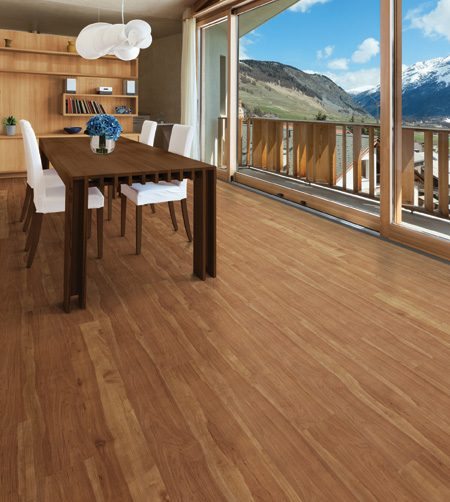
- Main living areas: Engineered Hardwood
- Bedrooms: Laminate or Engineered Wood
How Windsor Plywood Can Help
Once you know which upgrade matters most, the next challenge is choosing materials that will actually work in your home and still make sense as the project grows.
That's where Windsor Plywood can help.
Whether you're comparing trim profiles, panelling styles, stair parts, interior doors, or flooring, seeing materials in person and talking through the project can make it much easier to choose confidently. That matters even more if you're renovating in phases and want each upgrade to feel intentional, not pieced together.
If you're ready to move from ideas to actual decisions, your nearest Windsor Plywood location can help you narrow down the right materials for the space, the budget, and the way you plan to renovate.
Canadian Flooring FAQs
What is the best way to start a budget renovation in Canada?
Start with the part of the home that feels the most unfinished, worn, or frustrating day to day. That gives you a clearer priority and makes budgeting easier.
Which upgrades usually make the biggest difference for the cost?
Trim and moulding, feature walls, stair updates, flooring, and built-ins tend to create the most noticeable change without requiring a full remodel.
Should I renovate one room at a time or tackle everything together?
For most homeowners, one room or one problem at a time is the more practical approach. It keeps costs manageable and usually leads to better decisions.
How do I know which materials make sense for my home?
Think about how the space is used, how much wear it gets, and whether you plan to renovate in phases. Materials should suit both the room and the long-term plan.
Can I mix different materials throughout the house?
Yes, as long as the transitions feel intentional. Different rooms often need different solutions, but the overall look should still feel connected.
When is it worth visiting Windsor Plywood for help?
Usually once you've identified your first upgrade and want to compare real options. That's when material choices, proportions, and future phases start to matter most.
Next steps
Browse options or visit your nearest store for product-specific guidance and certifications.