



 Find Your Store
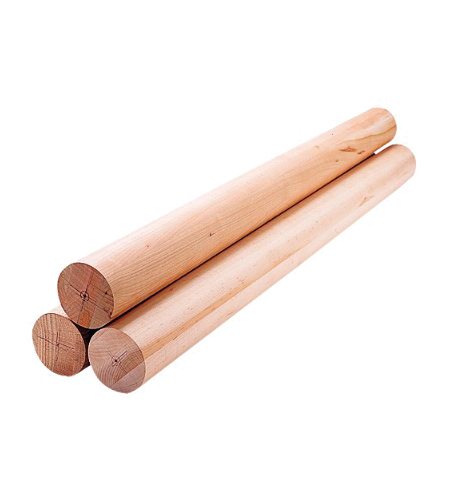
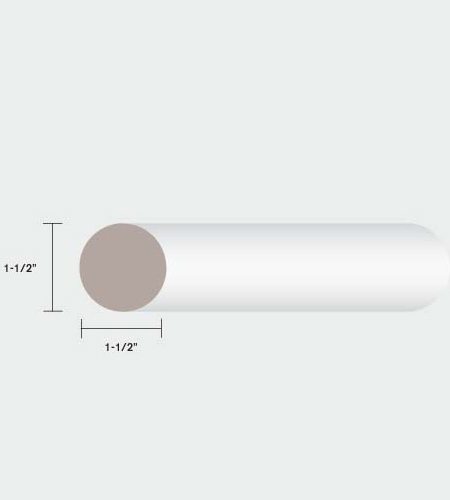
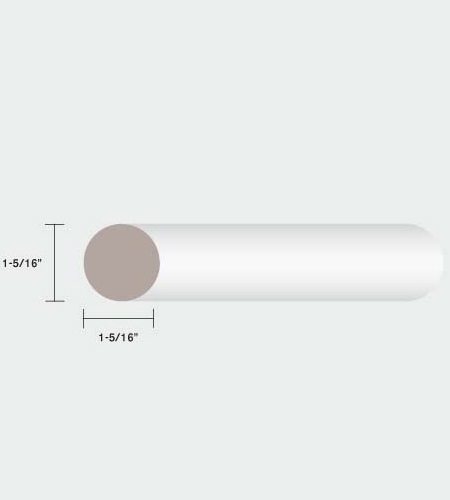
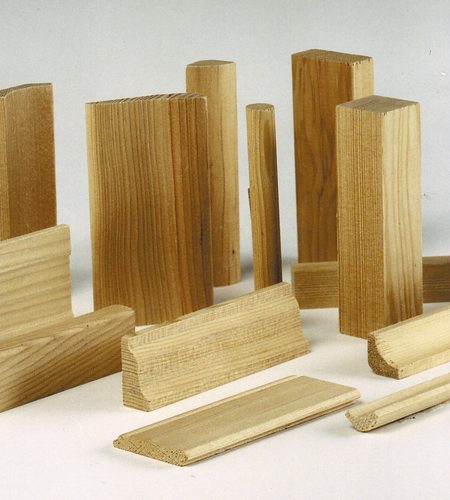
Bring soft edges and subtle detail to your woodworking and finishing projects with quality rounds from Windsor Plywood. Rounds are versatile, cylindrical mouldings used in a wide range of applications—from decorative trim and furniture accents to stair parts, crafts, and custom millwork. Available in multiple diameters, lengths, our rounds are precision-milled for smooth finishes and consistent profiles. Whether you're adding detail to a railing, building a coat rack, or crafting a unique DIY project, rounds offer a clean, classic shape that’s easy to work with and adaptable to any style. As a proudly Canadian company with locally owned stores, Windsor Plywood provides hard-to-find trim and moulding solutions, backed by expert advice and personalized service. Visit your local store to explore our full selection of rounds and find the perfect fit for your next project.
Not all products are available at every location. Check with your local store for current assortment and availability.



Frequently Asked Questions
What round moulding products does Windsor Plywood carry?
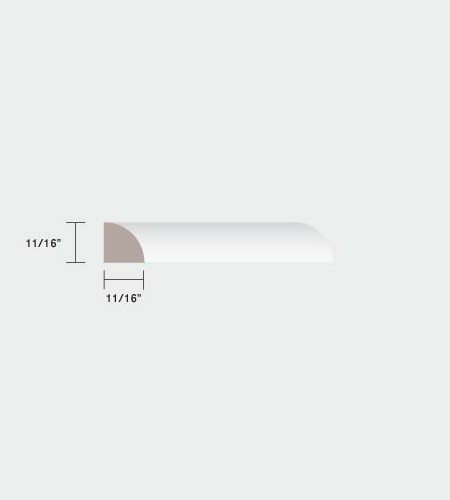
Windsor Plywood carries wood rounds and half-rounds in a range of diameters for woodworking, craft, and finishing applications. Rounds (full cylindrical profiles) and half-rounds (semicircular profiles) are available in pine and select species, used for furniture legs, spindles, dowel-style projects, edge detail, and decorative woodworking applications.
What applications are wood rounds used for?
Solid wood rounds are used for furniture legs and stretchers, turned or un-turned dowel applications, children's furniture components, craft and model projects, and decorative detail work. Half-round profiles are used as edge moulding on shelves and furniture, as bead detail on frame-and-panel assemblies, and as a simple convex moulding profile on trim applications where a rounded rather than square edge is the design intent.
What diameters of wood rounds does Windsor Plywood carry?
Windsor Plywood carries wood rounds in common diameters from 1/2 inch to 2 inches and larger, depending on current stock. Availability of specific diameters and species varies by location. Contact your local Windsor Plywood branch to confirm what round profiles are currently in stock for your project.
Can wood rounds be turned on a lathe to create custom profiles?
Yes. Pre-milled wood rounds provide a ready starting point for lathe turning projects, eliminating the rough bandsaw or rip work of starting from square stock. For turning, select rounds in species with good turning characteristics — pine for utility projects, maple and birch for fine turnings, walnut and cherry for premium decorative pieces.
What is the difference between a round and a dowel?
A dowel is typically a small-diameter cylinder (1/4 inch to 1 inch) used as a joinery connector or alignment pin in woodworking assembly. A wood round refers to larger-diameter cylindrical stock used as a structural or decorative element — furniture legs, spindles, and craft components. Both are round in cross-section; the distinction is primarily one of diameter and intended application.