

 Find Your Store
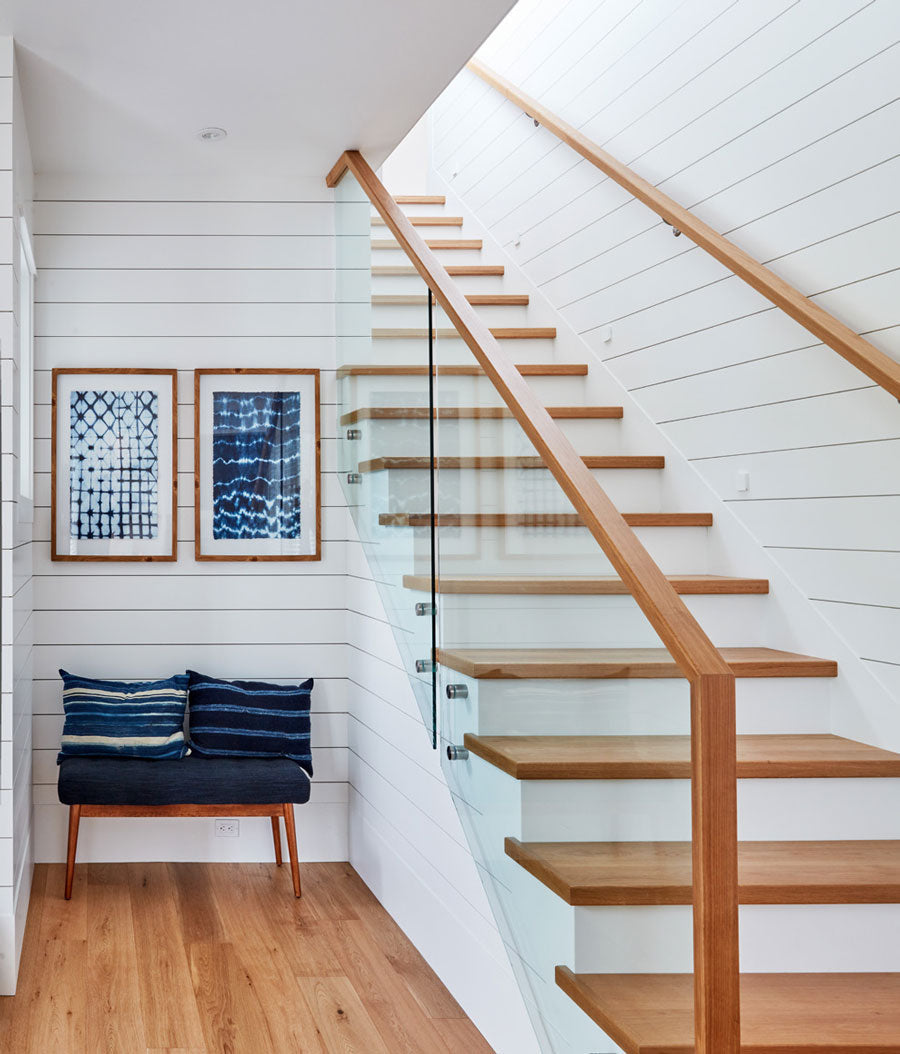
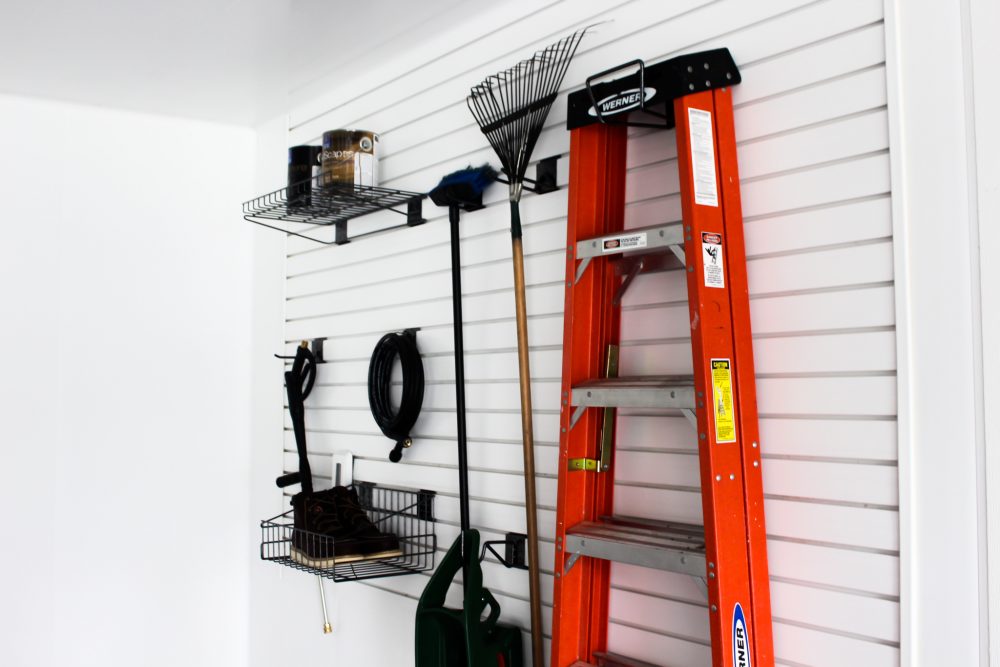
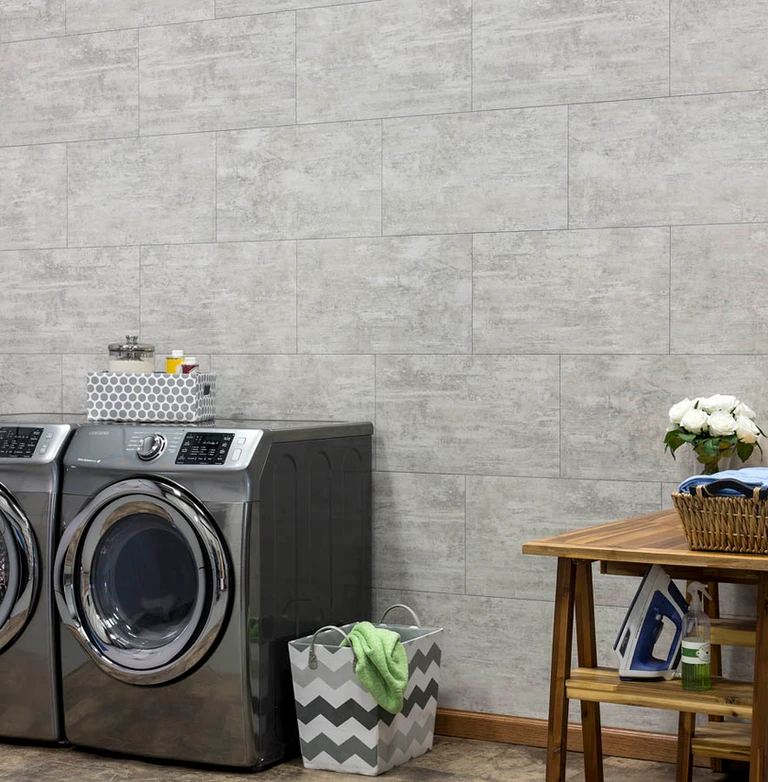
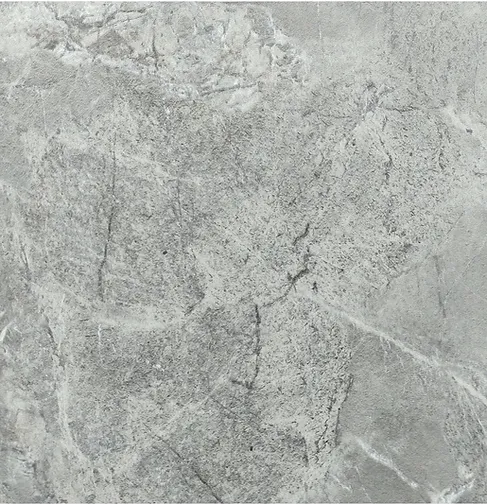
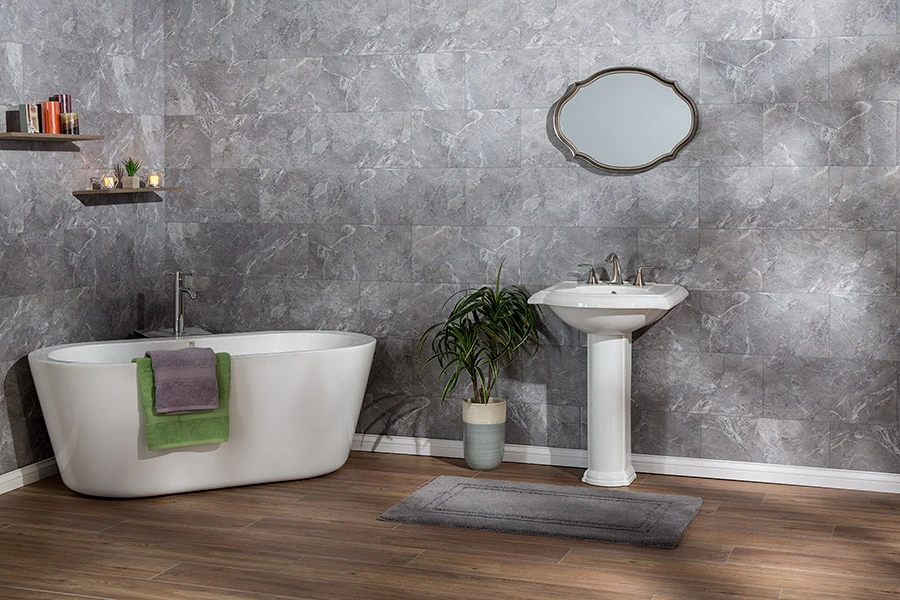
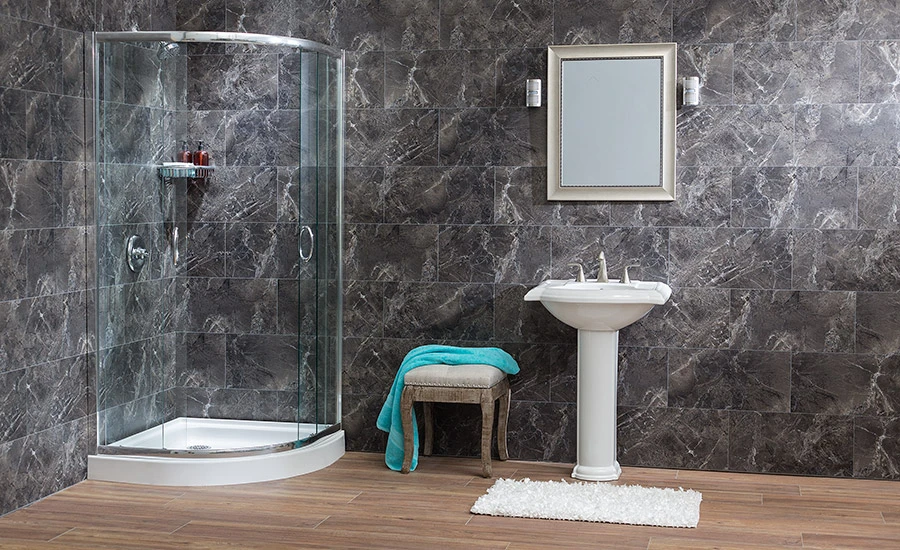
Transform your walls with our stylish and versatile panelling options. Whether you're after the warmth of natural wood, the modern look of slatwall, or the moisture resistance of waterproof PVC tiles, we have the right products to elevate any space. Our selection includes classic wood panelling, decorative wainscotting, functional slatwall panels, and easy-to-install PVC tiles—perfect for feature walls, basements, bathrooms, garages, and more. Available in a variety of finishes, textures, and styles, our panelling products are carefully sourced for quality, durability, and design appeal. As a proudly Canadian retailer with locally owned stores, Windsor Plywood offers expert advice and personalized service to help you bring your interior projects to life. Whether you’re refreshing a single room or completing a full renovation, explore our panelling collection in-store and get inspired by hard-to-find solutions that make a big impact.






Frequently Asked Questions
What panelling products does Windsor Plywood carry?
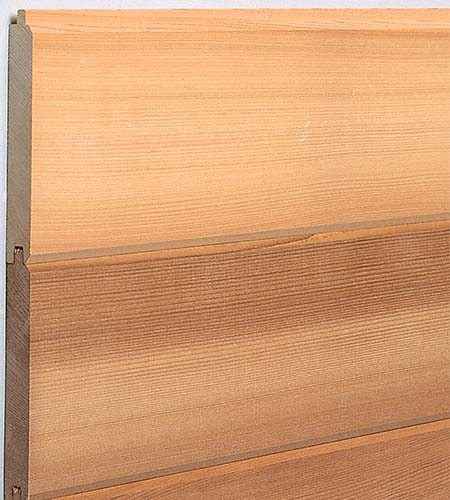
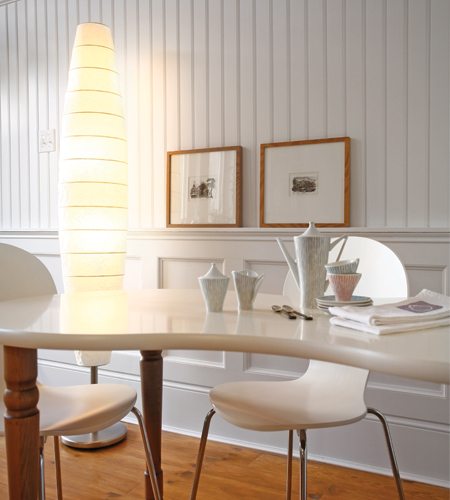
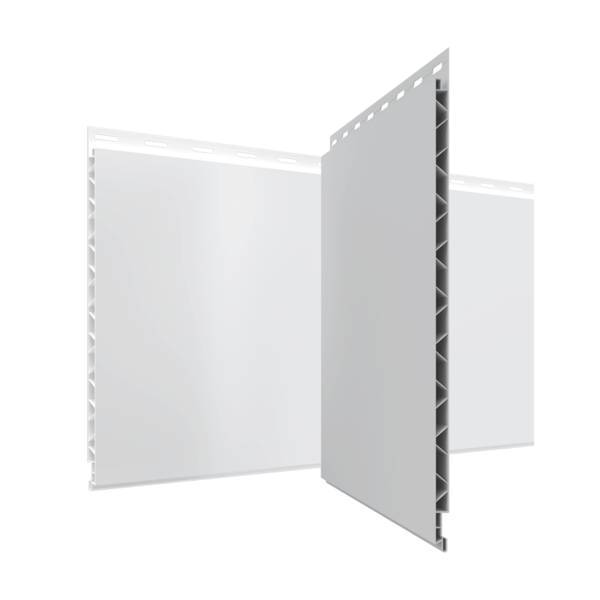
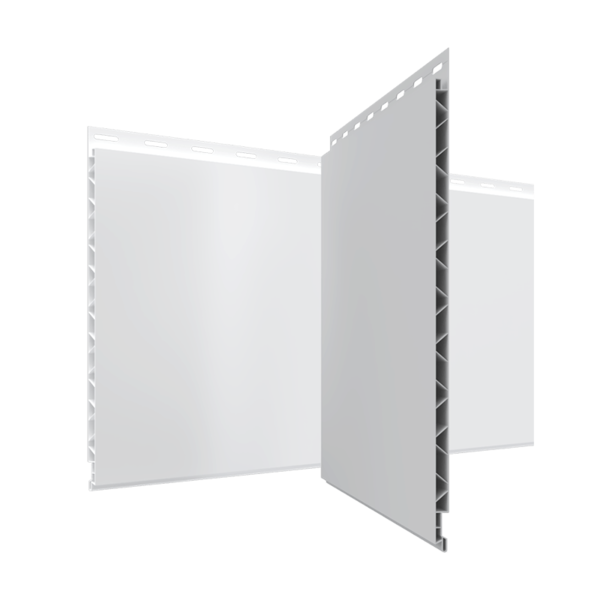
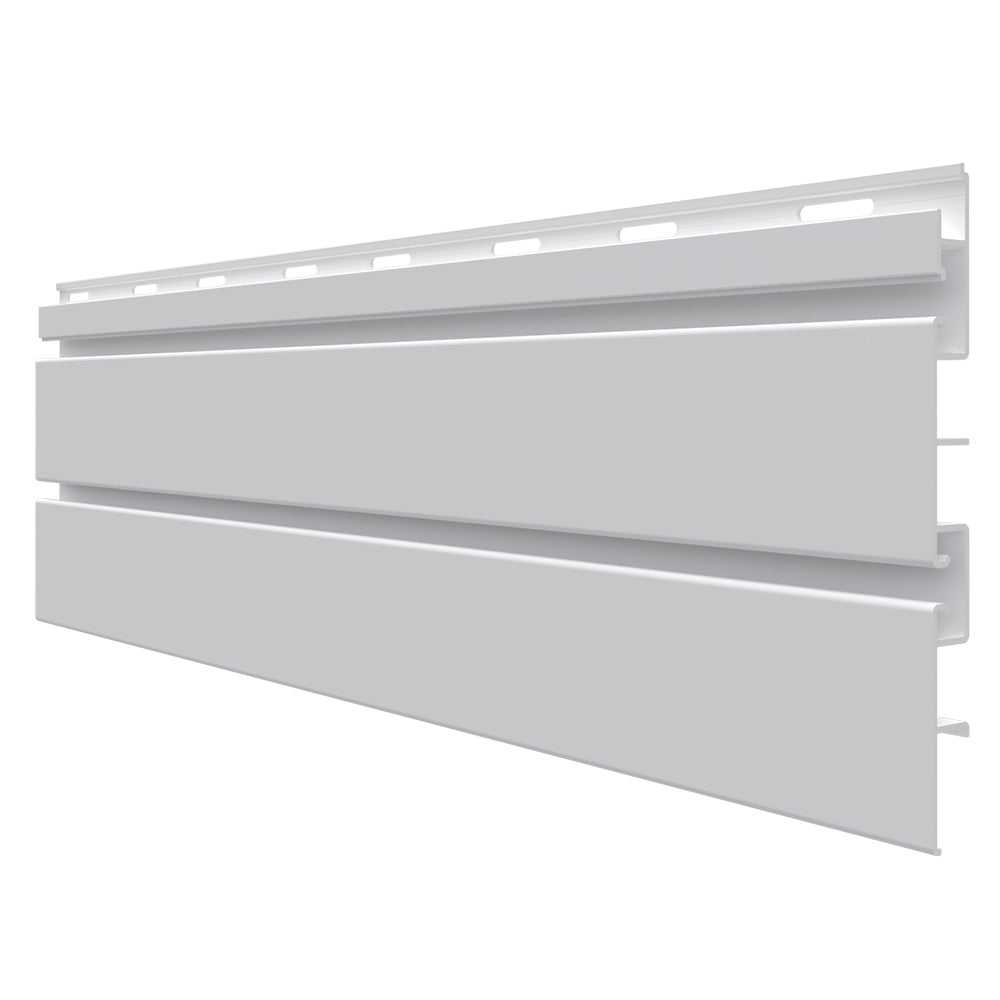
Windsor Plywood carries wall panelling in a broad range of materials and profiles including shiplap in cedar, pine, and primed finger-jointed options, tongue-and-groove wood panelling, MDF flat panels, Woodtone primed V-joint and shiplap, Trusscore PVC panels for moisture-resistant applications, and decorative wood accent panels through Woody Wall Paddle. Both interior and moisture-resistant options are available.
What is the most popular panelling style for contemporary interiors?
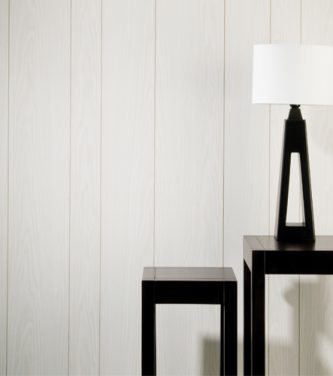
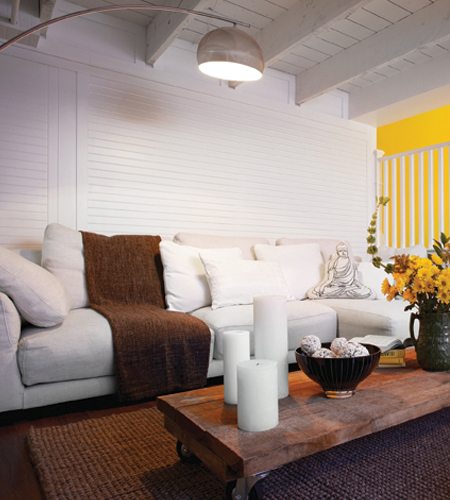
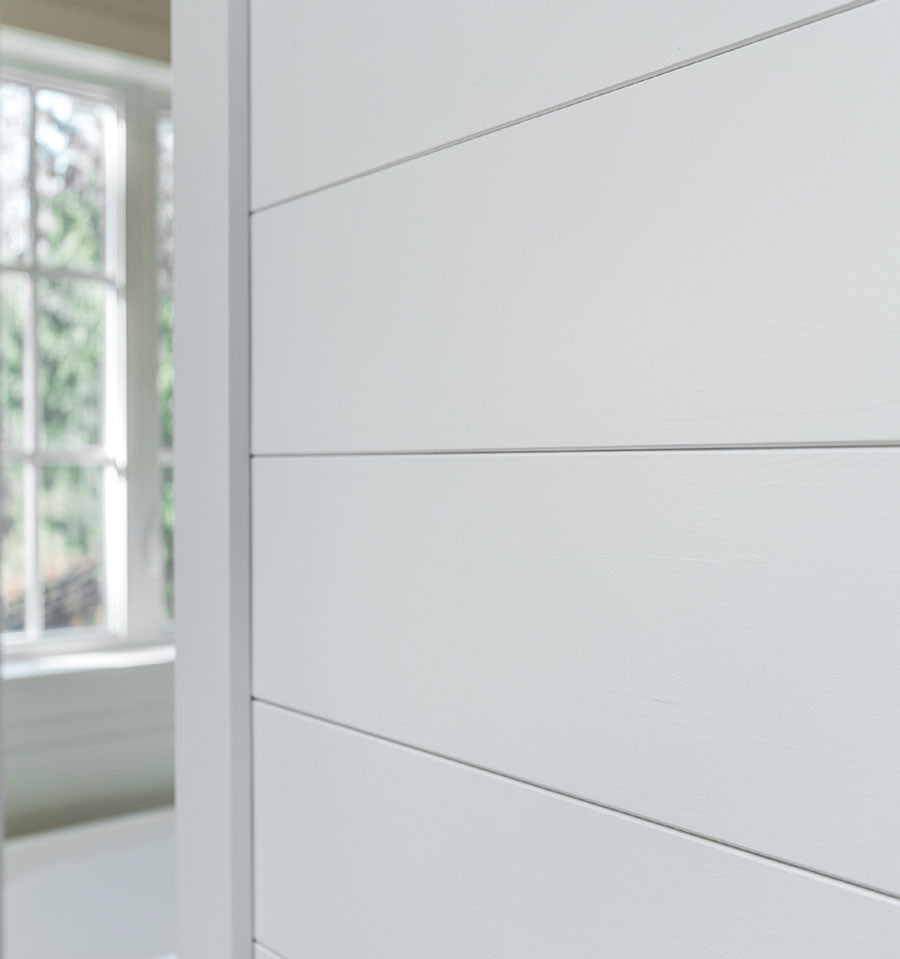
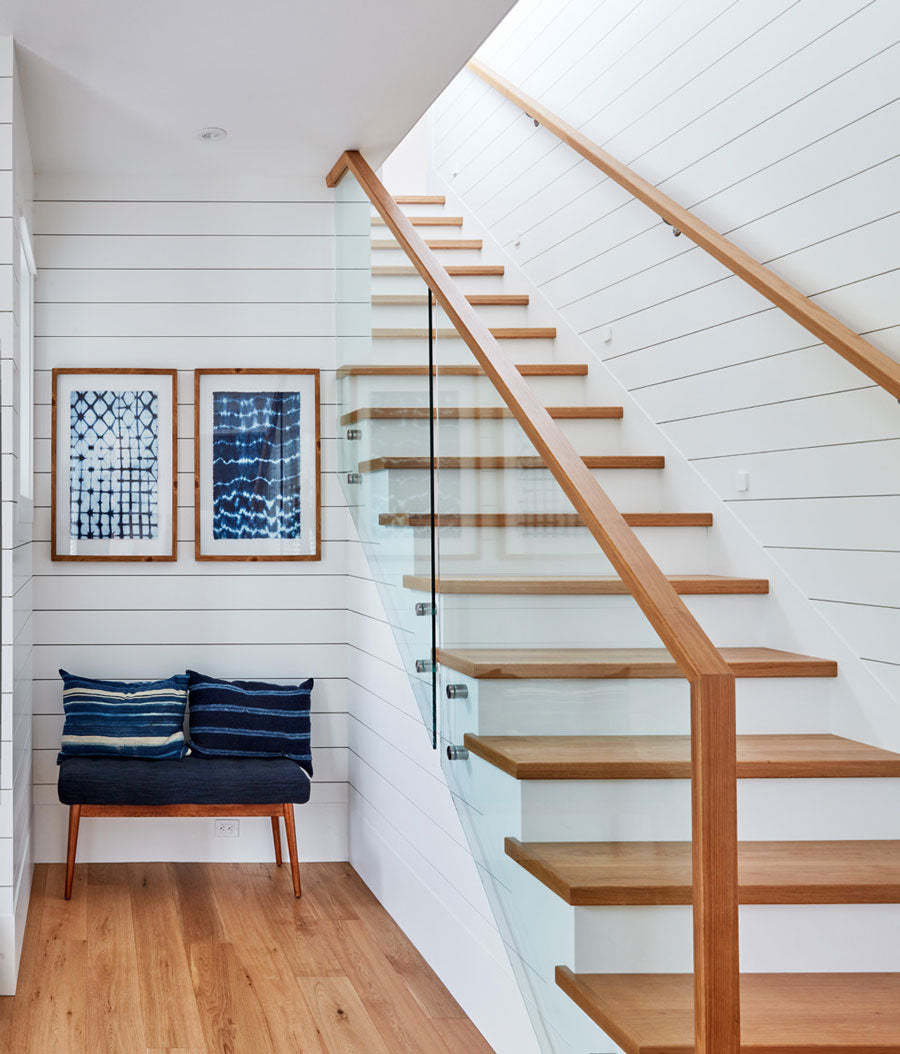
Shiplap panelling has been the dominant residential panelling style in recent years, particularly in contemporary farmhouse and Scandinavian-influenced interiors. Shiplap's flat boards with a consistent reveal gap between each course create a clean, textured wall surface that works equally well painted or in natural wood tones. Primed finger-jointed shiplap is the cost-effective choice for painted applications.
What is the difference between shiplap and tongue-and-groove panelling?
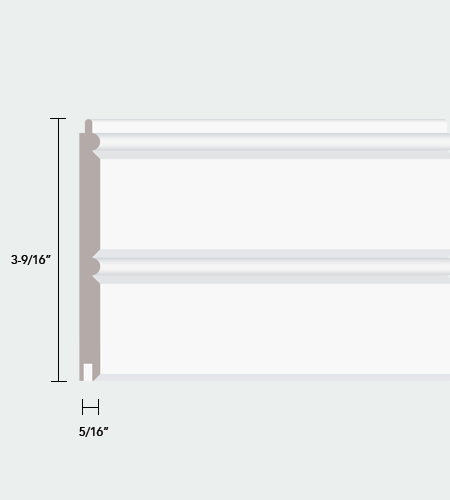
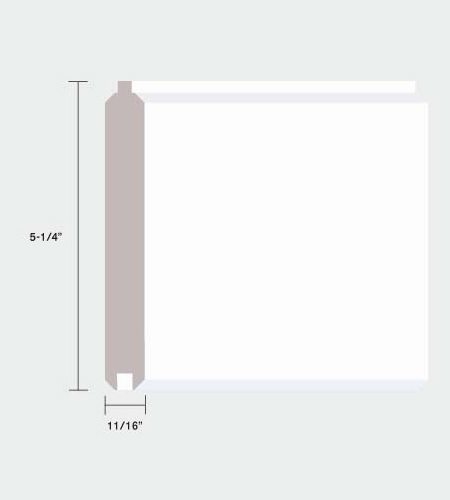
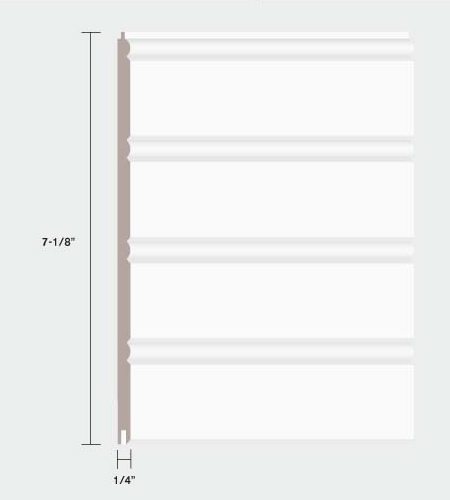
Shiplap boards have a rabbet cut on opposite faces at each edge, so the boards overlap slightly when installed, creating a consistent shadow line between boards. Tongue-and-groove boards interlock with a projecting tongue on one edge fitting into a groove on the next board, creating a tighter joint with less visible gap. Shiplap has a more contemporary and rustic character; tongue-and-groove provides a tighter, more traditional panelled appearance.
Can panelling be installed on ceilings as well as walls?
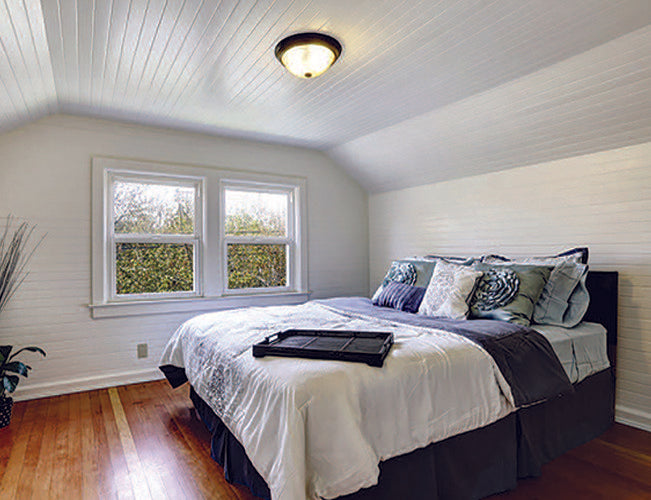
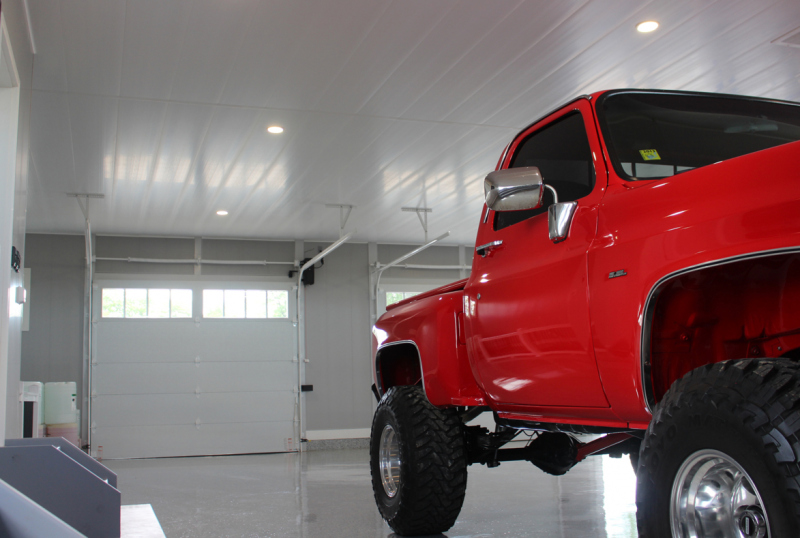
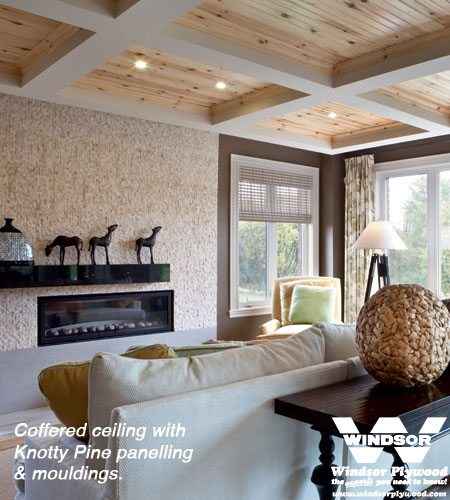
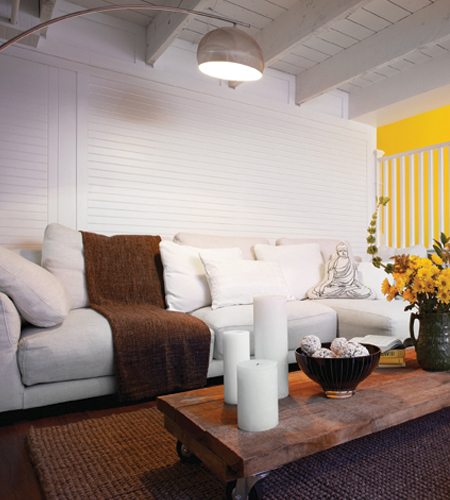
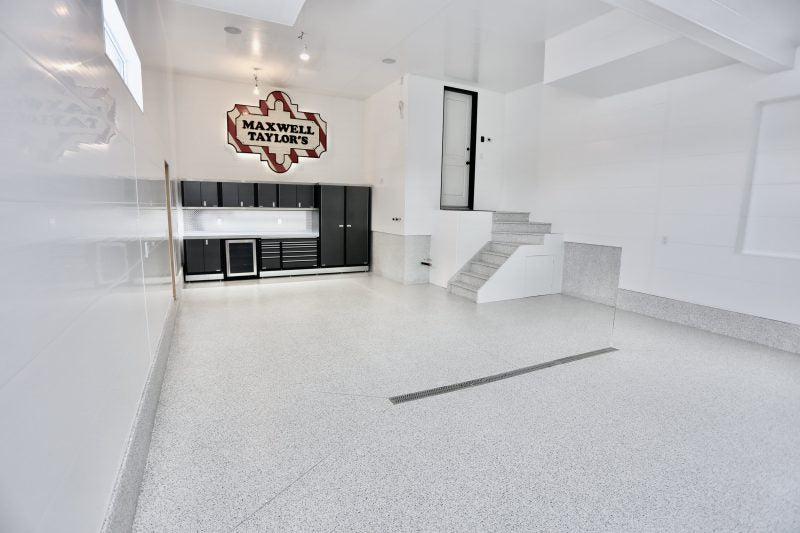
Yes. Wood shiplap, tongue-and-groove, and flat panel products are regularly installed on ceilings for accent and character in bedrooms, living rooms, and covered outdoor spaces. Trusscore PVC panels are used for garage and utility space ceilings due to their moisture resistance and reflectivity. Use appropriate fastener lengths for ceiling installation to ensure penetration into structural members above the ceiling drywall.
What is the correct installation sequence for wall panelling?
Install panelling over a properly prepared wall surface — flat, clean, and structurally sound. Acclimate wood panelling in the installation space for 48 hours before installing. Start from a level reference line and work up or from a plumb reference line and work across, depending on the orientation. Nail through the tongue of tongue-and-groove at each stud for a concealed fastener installation. For shiplap, face nail or use a brad nailer through the reveal area. Maintain expansion gaps at corners and transitions.