

 Find Your Store
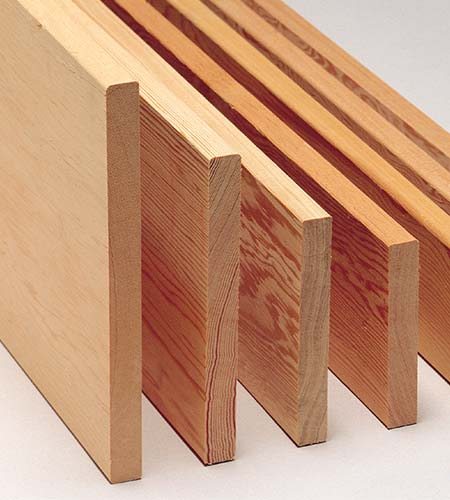
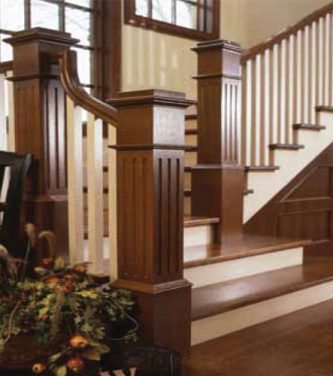
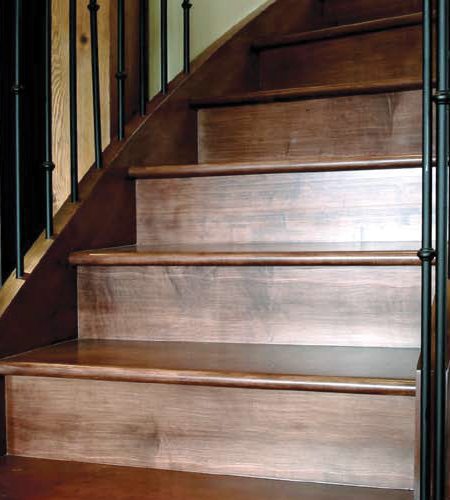
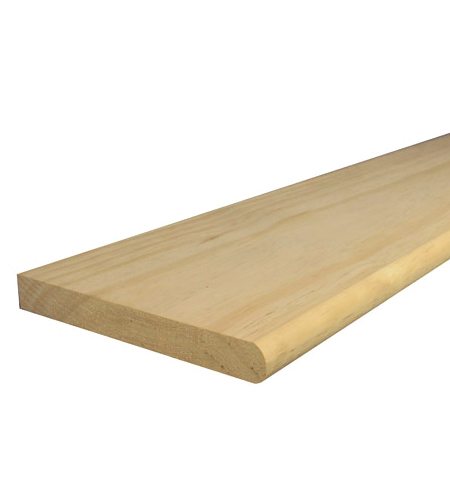
Finish your staircase with premium stair treads—crafted for durability, safety, and timeless style. Whether you're building a new staircase or upgrading an existing one, our stair treads come in a variety of wood species to match your interior design. Available in standard and custom sizes, our treads are ideal for both residential and commercial projects. Each piece is carefully selected for quality and consistency, providing a smooth, solid surface that stands up to daily use while adding natural warmth and elegance to your space. Perfect for DIYers, builders, and renovators alike, our stair treads are easy to work with and pair seamlessly with our full range of stair components. As a proudly Canadian company with locally owned stores, Windsor Plywood offers expert advice and personalized service to help you get the job done right. Visit us in-store to explore your options.
Not all products are available at every location. Check with your local store for current assortment and availability.


Frequently Asked Questions
What stair tread options are available at Windsor Plywood?
Windsor Plywood carries solid wood stair treads in species including oak, maple, and pine, as well as the Ready-Step one-piece tread and nosing system. Both standard and custom-width treads are available. Bullnose and square-edge profiles are stocked, with options for open and closed riser configurations.
What is the minimum tread depth required by the National Building Code of Canada?
The National Building Code of Canada specifies a minimum tread depth of 235mm, approximately 9-1/4 inches, measured from nosing to nosing. Riser height is specified at a maximum of 200mm, approximately 7-7/8 inches. Confirm local amendments to these requirements with your building department, as provincial codes and municipal bylaws can vary.
What wood species is most durable for stair treads?
Hard maple and red oak are the most durable choices for stair treads in residential applications. Both handle foot traffic, abrasion, and impact well. Oak provides slightly more visual grip through its open grain texture. Maple is harder and more resistant to denting. Both accept stain and finish well and coordinate with most flooring and millwork.
Can I install new stair treads over existing treads?
Yes, in many renovation applications. The existing tread must be structurally sound, flat, and properly secured before overlaying. The added height of the new tread must be accounted for in the riser dimension to keep all risers consistent, which is a code requirement. Inconsistent riser heights are a tripping hazard and a code violation.
How do I finish stair treads to match my existing hardwood flooring?
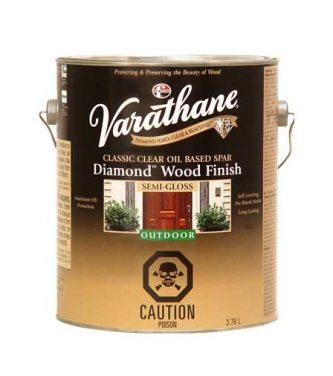
Use the same stain colour and topcoat product as the existing floor. Apply stain to the raw tread, let it cure fully, then apply two to three coats of polyurethane with light sanding between coats. Test the stain on a scrap piece of the same species first, as stain colour varies between wood species even when using the same product.