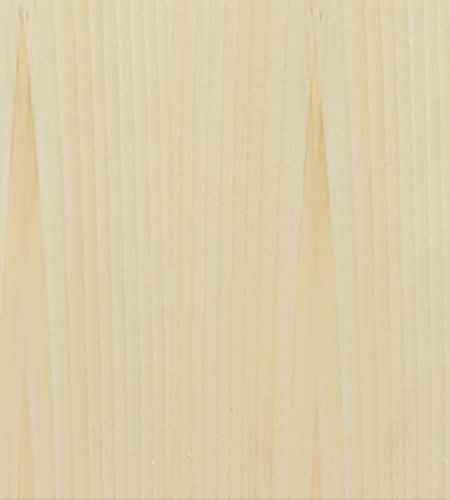
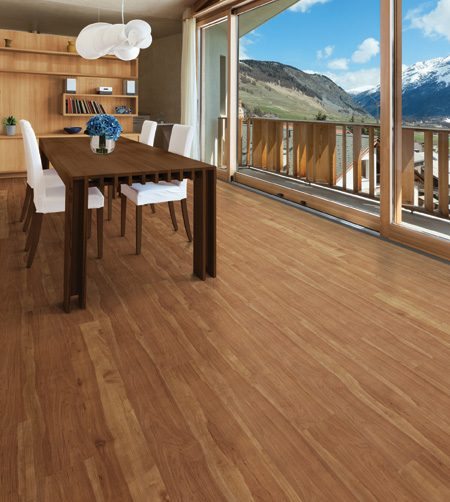
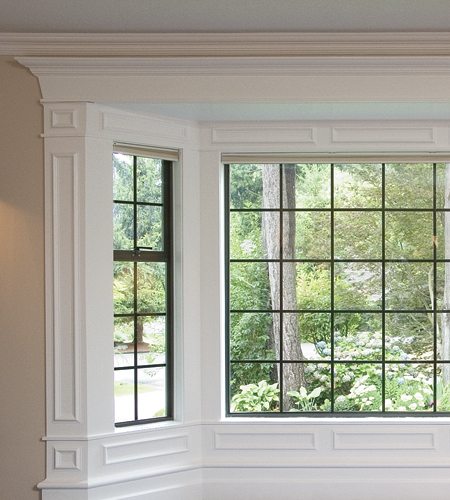
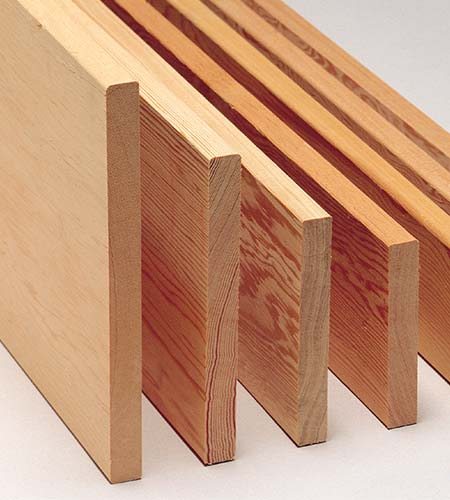
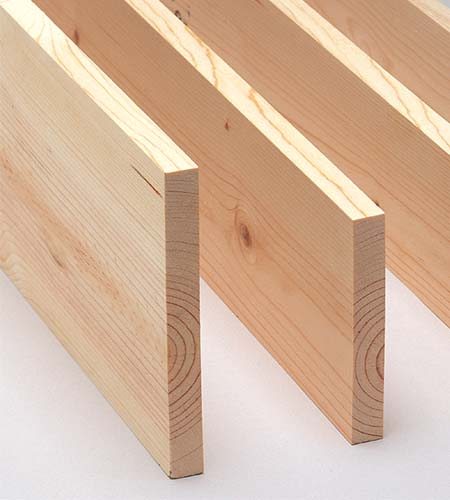
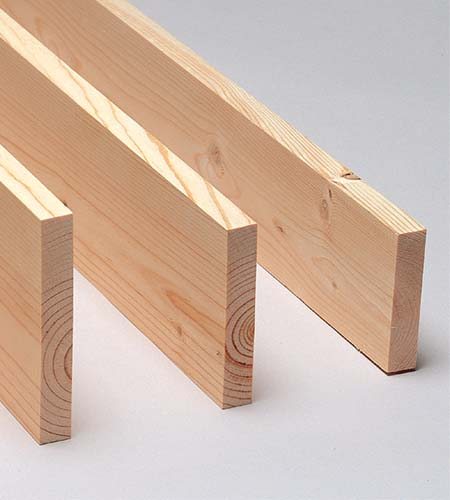
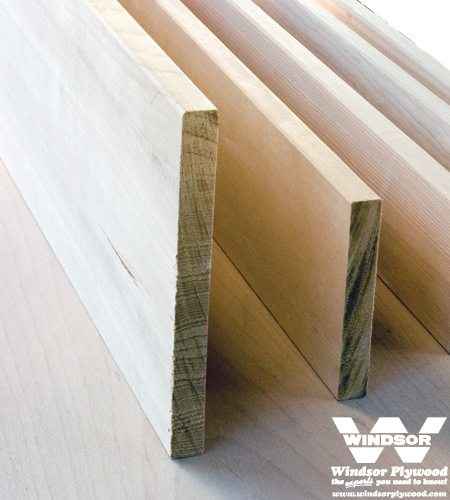
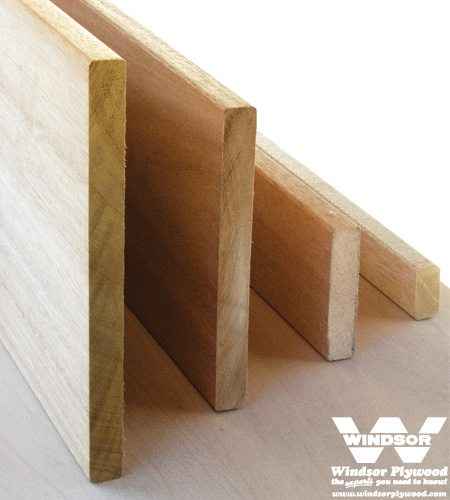
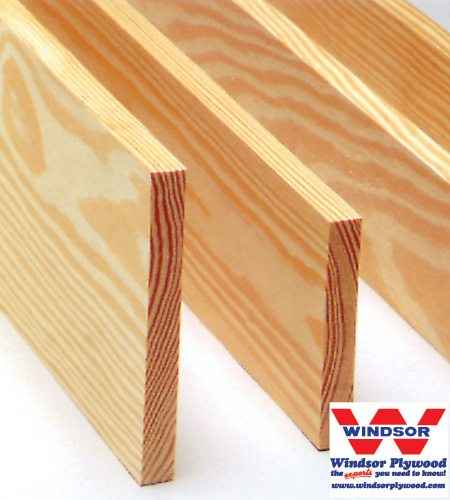
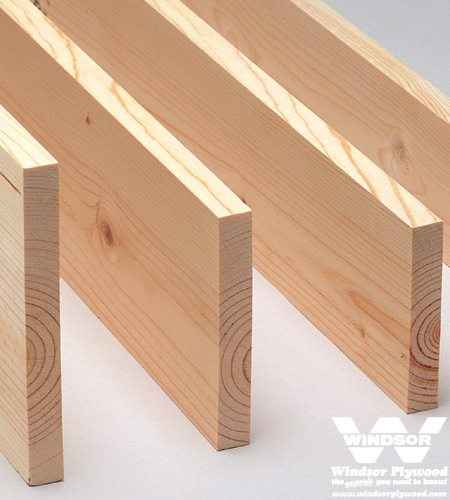
Poplar Finishing Lumber is the workhorse hardwood for painted cabinetry, furniture frames, and interior millwork. It machines easily, holds screws well, and takes paint to a smooth finish at a fraction of the cost of maple or cherry. The standard choice in professional cabinet shops for any component that will be painted. Available at Windsor Plywood locations across Canada.
Features
- Hardwood classification -- harder and more durable than pine
- Excellent paint substrate -- smooth, consistent surface with no grain telegraphing
- Cost-effective -- significantly less expensive than maple, cherry, or oak
- Kiln-dried and S4S -- ready to use on arrival
Specifications
| Species |
Poplar (Yellow Poplar) |
| Origin |
North America |
| Janka Hardness |
540 lbf |
| Colour |
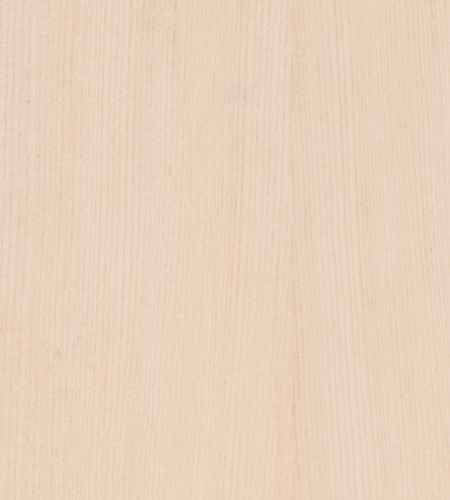
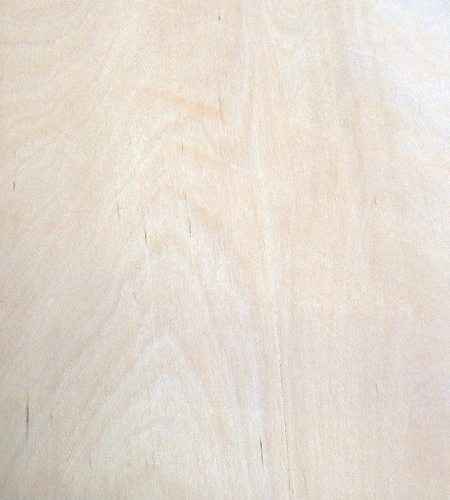
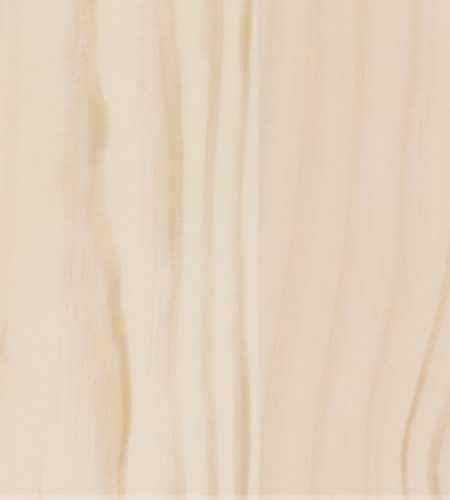
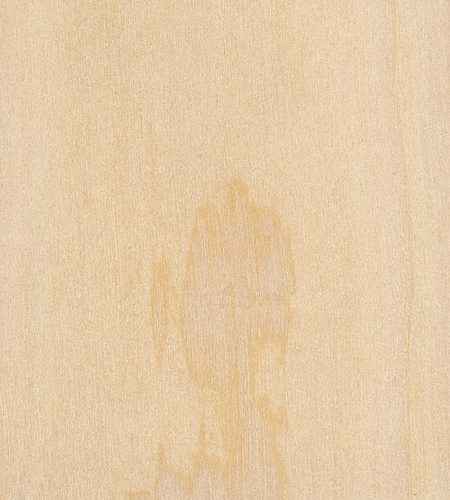
Creamy white sapwood with pale green to purple-streaked heartwood |
| Grain |
Straight, fine and uniform |
| Drying |
Kiln-dried |
| Availability |
In-store -- confirm sizes and surfacing options |
Common Uses
Used for painted cabinet components, furniture frames, interior trim in painted applications, drawer sides, shelf edging, and any millwork where the wood will be painted. Poplar is also used as a secondary wood in furniture -- drawer slides, back panels, and hidden structural components.
Pro Tips
- Do not stain poplar expecting an even result -- heartwood and sapwood absorb stain at different rates, creating blotchy colour. Poplar is a paint-grade wood.
- The green and purple heartwood streaks are natural and disappear completely under primer and paint.
- Poplar dents more easily than maple or oak -- best for components that do not receive heavy impact.
Frequently Asked Questions
Can I stain poplar?
Possible but not recommended. Poplar absorbs stain unevenly. If you must stain, use a pre-stain conditioner and gel stain. For a stained look, choose alder, cherry, or walnut instead.
Is poplar a hardwood?
Technically yes (deciduous tree), but it is one of the softest hardwoods -- comparable in hardness to pine. Significantly easier to work than oak, maple, or walnut.
 Find Your Store