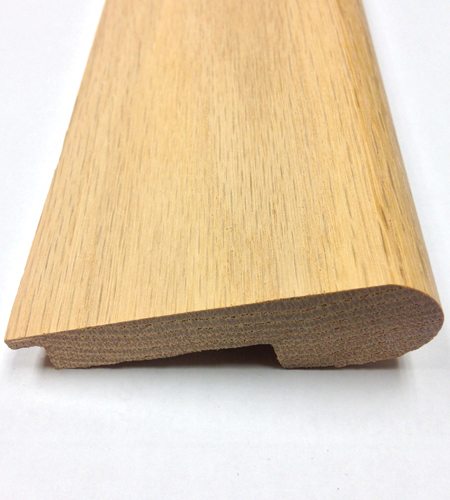
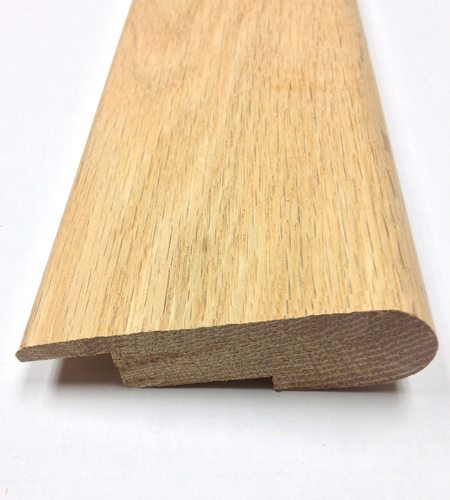
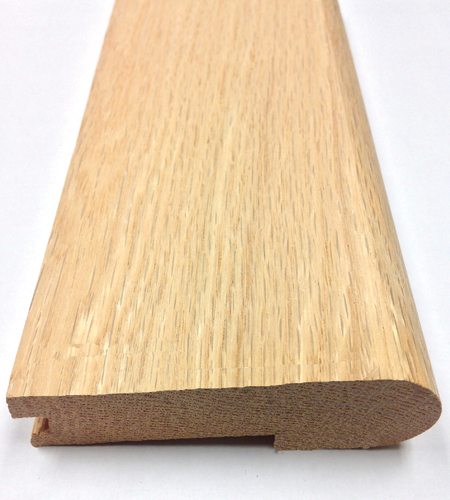
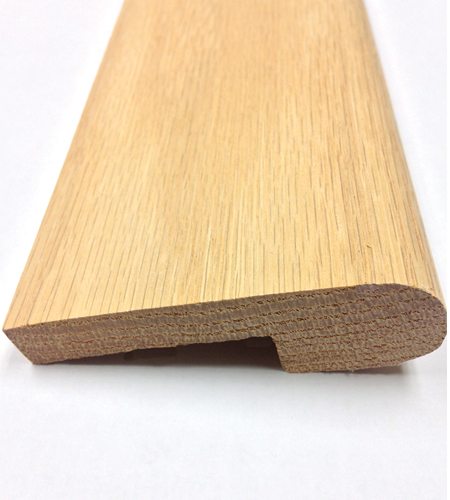
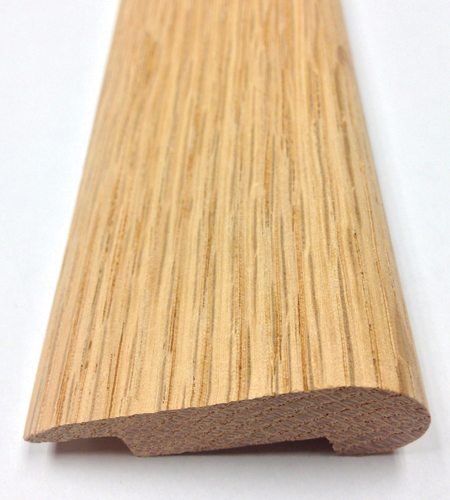
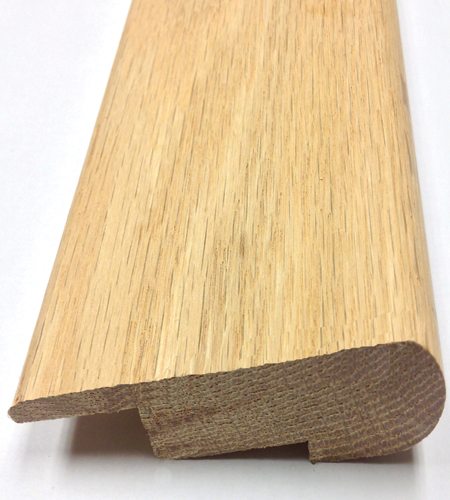
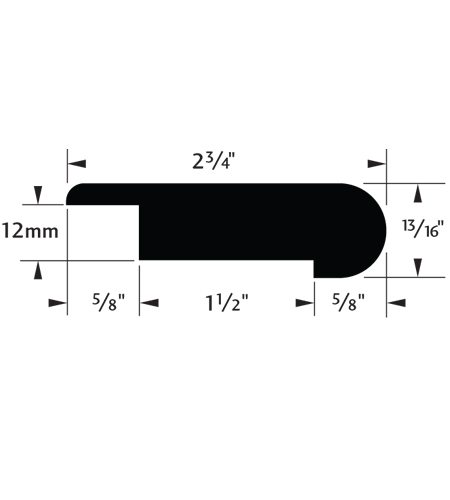
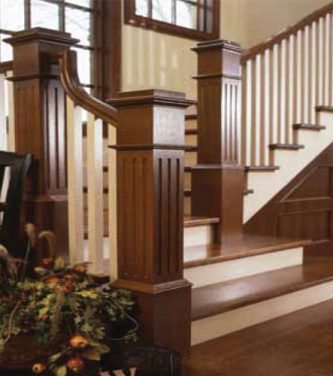
1017 1" Stair Nosing is a wood stair nosing used in residential stair construction and renovation. Stair nosings finish the exposed front edge of stair treads where the tread meets the riser face. The nosing covers the tread-to-riser joint, provides a defined visual edge for each step, and protects the tread edge from chipping and wear. Available at Windsor Plywood locations across Canada.
Features
- Wood construction -- confirm species and finish options at your local branch.
- Stair Nosing function -- stair nosings finish the exposed front edge of stair treads where the tread meets the riser face
- Pairs with complementary stair components available at Windsor Plywood
- Confirm current dimensions, species, and configurations at your local branch
Specifications
| Material |
Wood |
| Component Type |
Stair Nosing |
| Application |
Residential stair construction and renovation |
| Dimensions |
Confirm with your local Windsor Plywood location |
| Availability |
In-store -- confirm current stock and options at your local branch |
Common Uses
1017 1" Stair Nosing is installed in new residential stair construction and renovation projects. Wood construction -- confirm species and finish options at your local branch. Pairs with complementary spindles, handrails, newel posts, treads, and nosings available at Windsor Plywood.
Pro Tips
- The nosing profile must match the tread thickness. Measure your tread thickness before purchasing nosing to ensure the correct profile depth and overlap.
- Finish stair components before installation where possible for the cleanest result.
- Pre-drill all fastener locations in hardwood stair components to prevent splitting near ends and edges.
Frequently Asked Questions
What thickness nosing do I need?
Nosing thickness must match your stair tread thickness for a proper fit. Measure the tread before purchasing. Common tread thicknesses are 3/4" and 1". Confirm the correct nosing profile with your local Windsor Plywood branch.
Can I mix wood species on my staircase?
Yes. A common approach is darker hardwood for treads and handrails with a lighter or painted wood for spindles and risers. Confirm all components are available in your chosen species at your local branch.


 Find Your Store