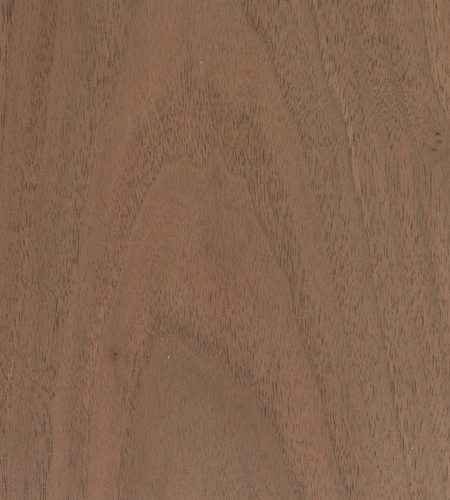
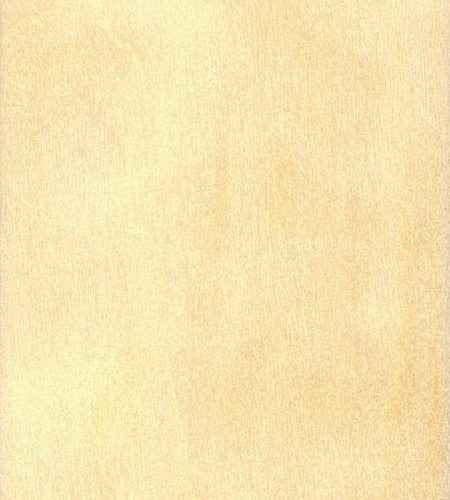
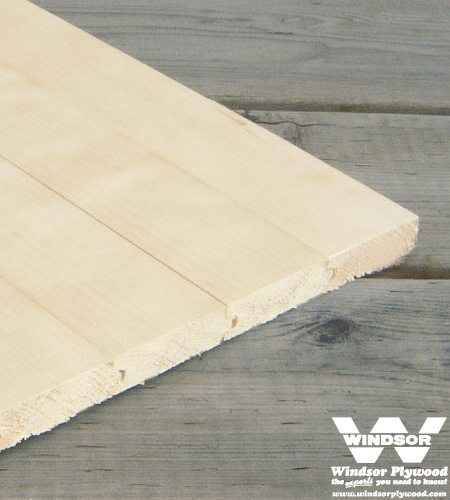
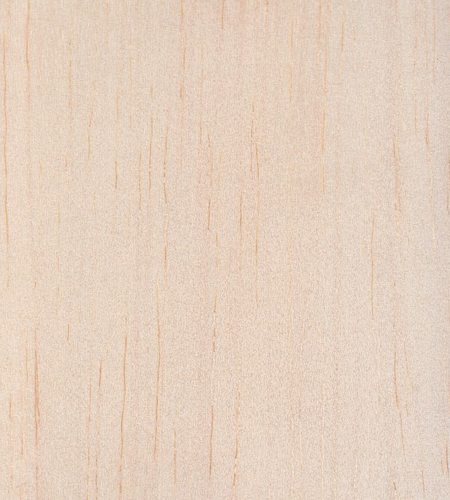
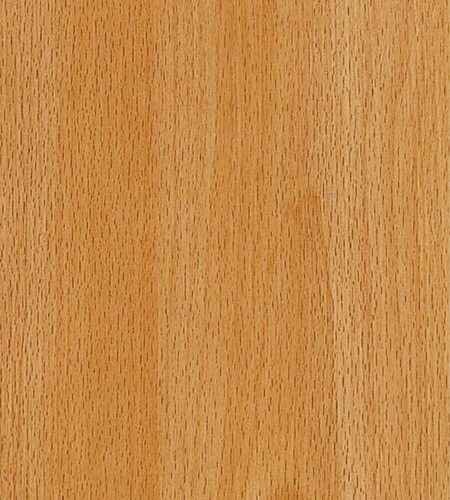
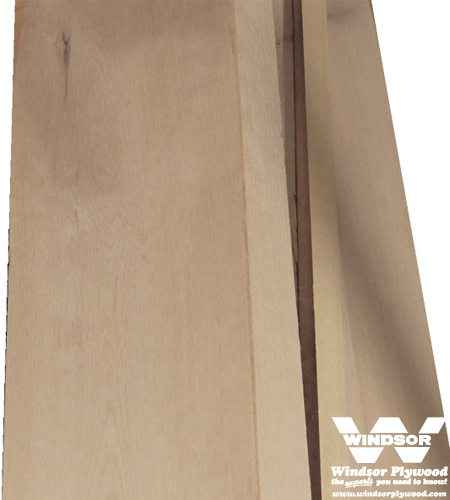
Walnut Hardwood Lumber is one of the most prized cabinet and furniture timbers in North America. The rich chocolate-brown heartwood, straight to slightly figured grain, and moderate natural luster produce a finished result that requires no stain -- a clear oil or hardwax finish is all it takes to bring out the full depth of the wood. Available surfaced 2 sides (S2S) in multiple thicknesses and surfaced 4 sides (S4S) in 1" x 6" x 8 ft planks. Used by furniture makers, cabinetry professionals, and woodworkers across Canada.
Features
- Black walnut species -- rich chocolate-brown heartwood with natural colour variation
- Straight to slightly irregular grain -- accepts clear finishes without staining for a premium result
- Available S2S and S4S -- surfaced and ready to work without additional milling
- Strong, dense, and durable -- excellent for structural furniture and joinery applications
- Works cleanly with hand and machine tools -- routes, shapes, and joints well
- Kiln-dried for dimensional stability -- confirm moisture content with your local branch
Specifications
| Species |
Black Walnut (Juglans nigra) |
| Grain / Texture |
Usually straight, can be irregular -- medium texture with moderate natural luster |
| Colour |
Chocolate brown heartwood -- natural variation between pieces |
| Surfacing |
S2S (surfaced 2 sides) and S4S (surfaced 4 sides) available |
| Sizes -- S2S |
15/16", 8/4", 16/4" -- confirm current stock with your local branch |
| Sizes -- S4S |
1" x 6" x 8 ft planks |
| Drying Method |
Kiln-dried -- confirm moisture content with your local Windsor Plywood location |
| Availability |
In-store -- some sizes may be special order. Confirm stock with your local Windsor Plywood location. |
Common Uses
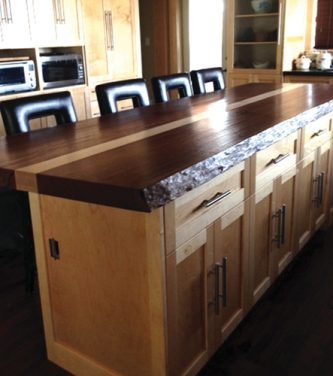
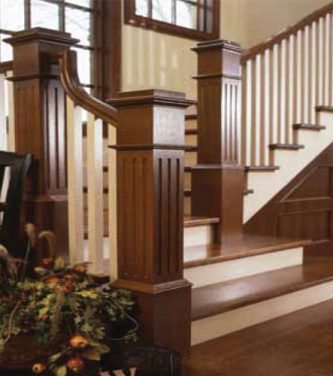
Walnut Hardwood Lumber is used for furniture carcases and structural components, cabinet face frames and drawer fronts, table legs and aprons, mantels, stair treads, cutting boards, turned objects, and fine joinery. The combination of strength, workability, and natural beauty makes it one of the most versatile premium hardwoods available for both hand and machine woodworking.
Pairs Well With
For matching walnut sheet goods, use alongside Walnut Cabinet Plywood for panel and carcase work that coordinates with solid walnut components. For smaller moulding and trim profiles in walnut, see Walnut Finishing Lumber. For a contrasting light-toned hardwood that pairs well with walnut in two-tone furniture work, Walnut Live Edge Lumber is also available at Windsor Plywood for feature slabs and statement pieces.
Pro Tips
- Walnut is naturally oily -- wipe all surfaces with naphtha or mineral spirits immediately before gluing or finishing to remove surface oils that can prevent adhesion. This is the most common reason for finish or glue joint failure on walnut.
- The colour variation between heartwood and sapwood can be significant. For projects requiring consistent chocolate-brown colour throughout, review boards in person at the branch and select pieces with minimal sapwood before purchasing.
- For a natural finish that enhances depth without adding colour, hardwax oils such as Rubio Monocoat or Osmo Polyx are the professional standard on walnut. Water-based polyurethane tends to appear flat on walnut compared to oil-based options.
Frequently Asked Questions
What is the difference between S2S and S4S walnut lumber?
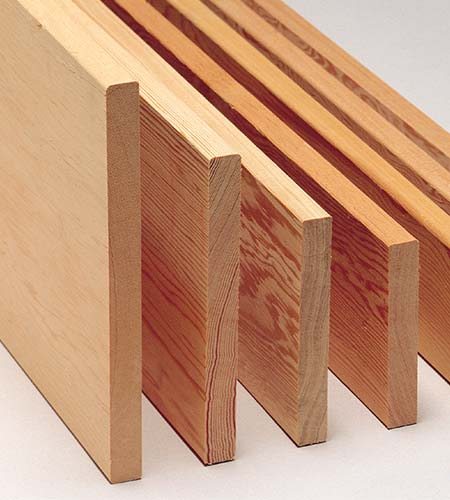
S2S (Surfaced 2 Sides) means the top and bottom faces have been planed smooth but the edges are left rough-sawn. S4S (Surfaced 4 Sides) means all four faces have been planed and jointed to produce a square, ready-to-use board. S4S is the most convenient for furniture and cabinetry work where straight, square edges are needed immediately. S2S is preferred when the board will be further milled to specific dimensions on site.
Does walnut need to be stained?
No. Black walnut has a naturally rich chocolate-brown colour that looks exceptional under a clear finish. Staining walnut is generally not recommended -- it can obscure the natural grain depth and reduce the visual character that makes walnut worth its price. A clear hardwax oil or oil-based finish is the standard professional approach.
Why does walnut vary in colour between boards?
Walnut heartwood colour varies naturally between trees, between cuts from the same log, and between the heartwood and sapwood within a single board. Lighter sapwood streaks are common and are a natural characteristic of the species, not a defect. For projects requiring consistent colour, review boards in person before purchasing and select from the same batch where possible.
Can walnut be used for kitchen cabinetry?
Yes. Walnut is widely used for kitchen cabinet face frames, drawer fronts, and door panels. It is hard enough to resist everyday kitchen wear and its natural oils provide some inherent moisture resistance at the surface. Apply a durable finish such as conversion varnish or oil-modified polyurethane for kitchen applications where the surface will be cleaned regularly.
What finish works best on walnut lumber?
Hardwax oils and oil-based finishes enhance the natural depth and chocolate tones of walnut. Water-based polyurethane is a viable option but tends to produce a flatter, less rich appearance on dark hardwoods. For furniture, Rubio Monocoat or Osmo Polyx are widely used by professional woodworkers. For cabinetry subject to heavy use, conversion varnish provides the most durable surface.
 Find Your Store