

 Find Your Store
Frequently Asked Questions
What wood siding products does Windsor Plywood carry?
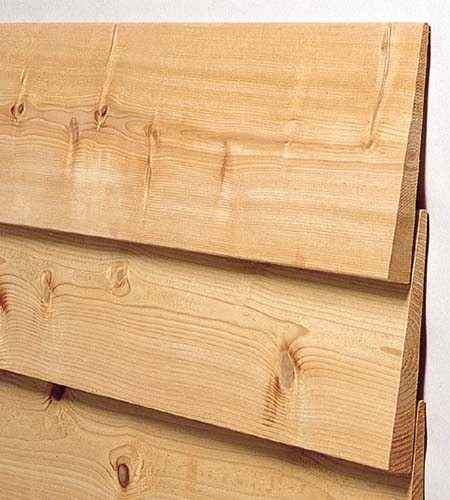
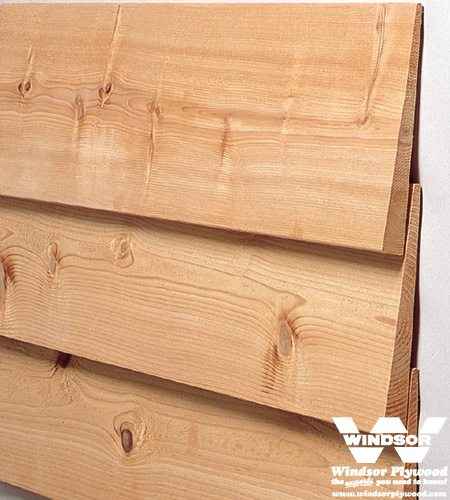
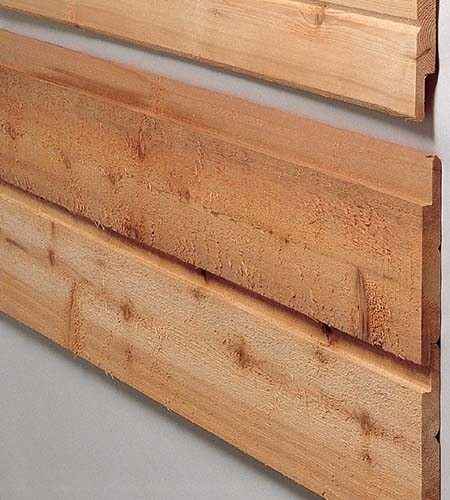
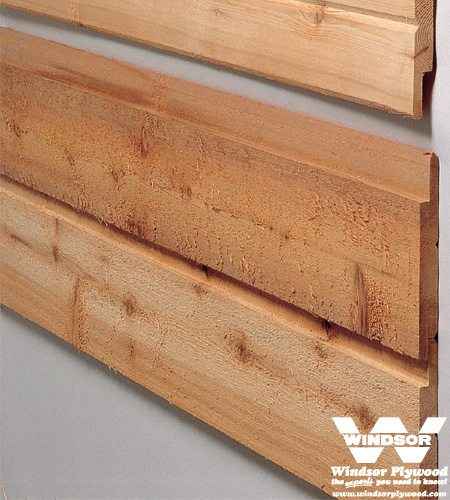
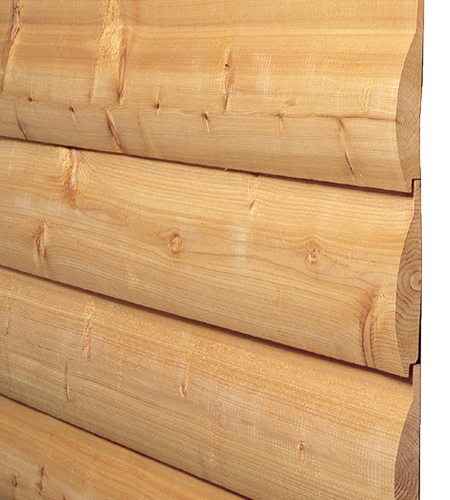
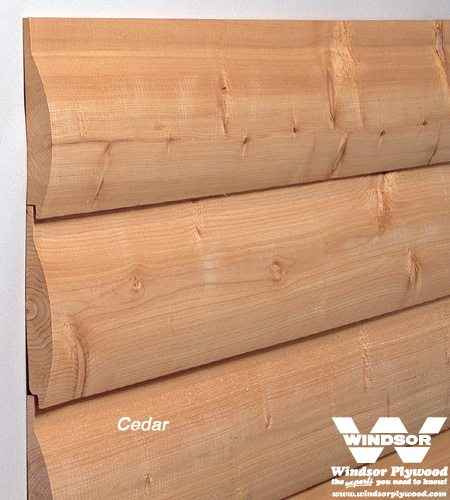
Windsor Plywood carries wood siding in western red cedar lap siding, bevel siding, channel siding, and board-and-batten profiles, as well as cedar shingle panels through Cedar Valley. Finger-jointed primed siding for painted applications and select rough-sawn profiles for stained applications are available. Both standard and custom widths are stocked depending on location.
What is the most durable wood siding option for Canadian climates?
Western red cedar is the standard exterior siding wood in western Canada due to its natural rot and insect resistance, dimensional stability through seasonal moisture changes, and ability to accept stain and paint well. Clear, vertical-grain cedar siding has the best performance due to the stability of vertical grain and minimal knot content. Rough-sawn cedar weathers more uniformly and hides lap marks better than smooth-sawn profiles.
What is the difference between bevel siding and channel siding?
Bevel siding (also called clapboard or lap siding) is thicker at the bottom edge than the top, creating the overlapping weatherboard appearance. Each course laps over the top of the course below. Channel siding (also called channel rustic or dolly varden) has a rabbet on one edge so the boards lap together with a defined reveal and a consistent, shadow-line detail between courses. Channel siding produces a more contemporary appearance than traditional bevel siding.
What is the correct installation for cedar lap siding?
Install cedar siding over a weather-resistant barrier (housewrap) with appropriate flashing at windows, doors, and transitions. Leave a minimum 1/2-inch clearance above roofing, flashing, and horizontal trim. Use stainless steel or hot-dipped galvanized nails — never electroplated fasteners, which cause dark staining from cedar tannin reaction. Back-prime all pieces before installation, including cut ends, to slow moisture absorption and extend the finish life.
How often does cedar wood siding need to be refinished?
Cedar siding with a quality penetrating stain in a sheltered installation typically requires restaining every 5 to 8 years. South and west-facing walls with high sun and rain exposure may require attention every 3 to 5 years. Painted cedar siding requires repainting every 7 to 12 years depending on exposure and paint quality. Regular inspection and prompt attention to any failed areas prevents deterioration from spreading and extends the interval between full refinishing cycles.