


 Find Your Store
Bringing your outdoor vision to life has never been easier with DPS (Deck Planning Studio)—a powerful, user-friendly tool that helps you design your dream deck from the ground up. Available through Windsor Plywood, DPS allows homeowners, contractors, and DIYers to create custom deck layouts using real products and precise dimensions, making planning both simple and inspiring. With intuitive drag-and-drop features, material estimators, and a wide selection of decking styles and finishes—including brands like Deckorators and Azek—DPS gives you a realistic preview of your finished project. Whether you're aiming for a small backyard retreat or a multi-level entertainment space, DPS helps you visualize and refine your design before you build. As a proudly Canadian company, Windsor Plywood is here to support you every step of the way. Start designing with DPS today and turn your deck dreams into a buildable reality—beautiful, functional, and perfectly suited to your space.
Frequently Asked Questions
What wood decking species does Windsor Plywood carry?
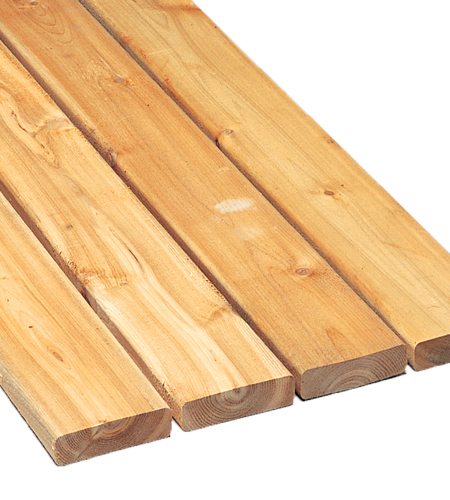
Windsor Plywood carries western red cedar, pressure-treated SPF, and specialty hardwood decking species. Cedar is the most popular natural wood decking choice in Canada due to its decay resistance, dimensional stability, and ability to accept stain and paint. Pressure-treated decking is a cost-effective structural option.
How long does cedar decking last compared to composite decking?
Well-maintained cedar decking lasts 15 to 25 years or more. It requires cleaning and restaining or resealing every 2 to 3 years to maintain appearance and protect against weathering. Composite decking typically carries 25-year or lifetime warranties and requires minimal maintenance. The choice depends on budget, maintenance willingness, and preference for natural wood versus engineered material.
What spacing should I use between wood deck boards?
Install wood deck boards with a 3mm to 6mm gap between them to allow for drainage and airflow, and to accommodate the seasonal expansion of the wood. Pre-dried cedar and hardwood decking should be spaced at installation. Consistent spacing improves both drainage performance and visual appearance.
Should wood decking be installed bark side up or bark side down?
Install decking with the bark side up, which is the side with tighter growth rings visible on the end grain. When bark-side-up boards cup from moisture, they cup upward and shed water. Bark-side-down boards cup in a way that holds water on the surface, which accelerates weathering and rot. This applies to flat-grained decking boards.
What finish should I use on a new cedar deck?
A penetrating exterior oil or alkyd-based deck stain is the most maintainable choice for cedar decking. It soaks into the wood rather than forming a surface film, which means it does not peel as it ages and can be cleaned and recoated without stripping. Film-forming finishes peel in exterior exposure and require significantly more preparation before recoating.