




 Find Your Store
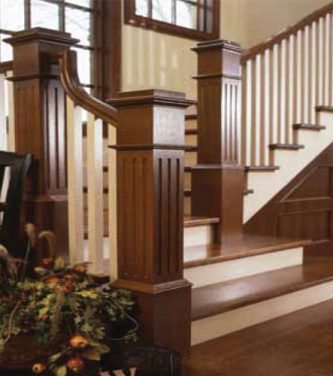
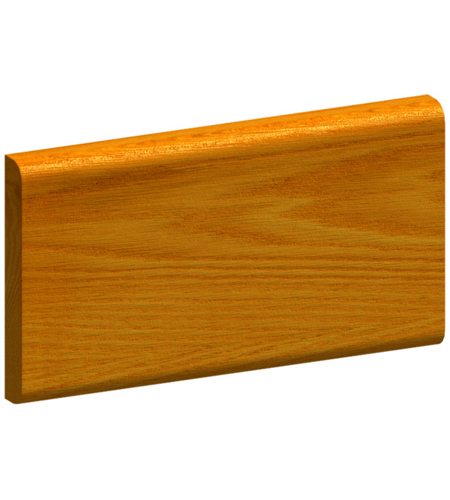
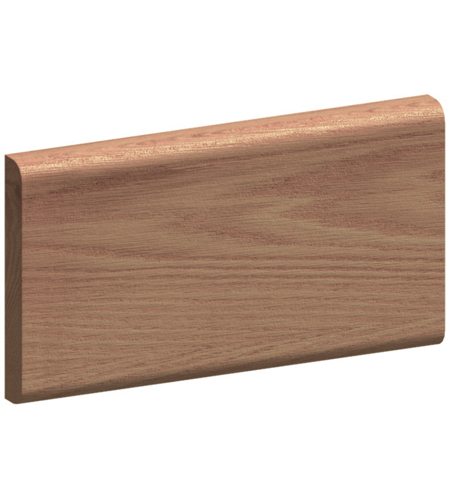
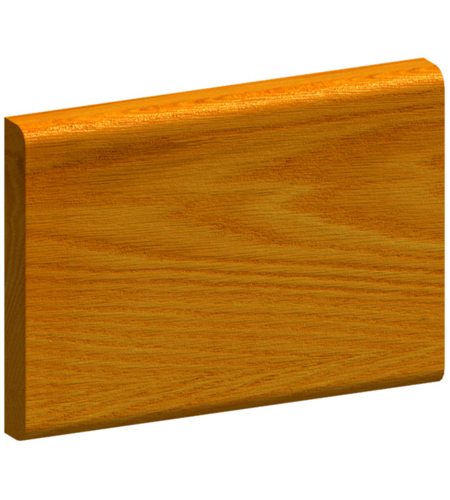
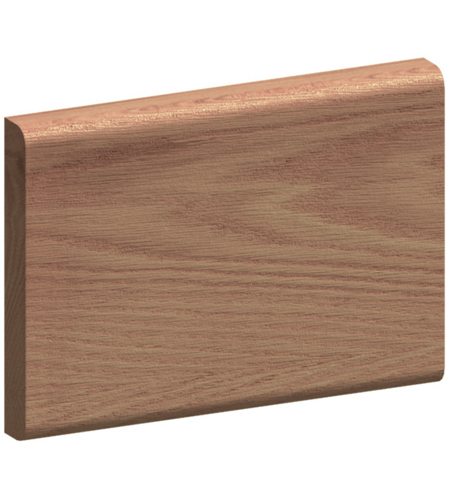
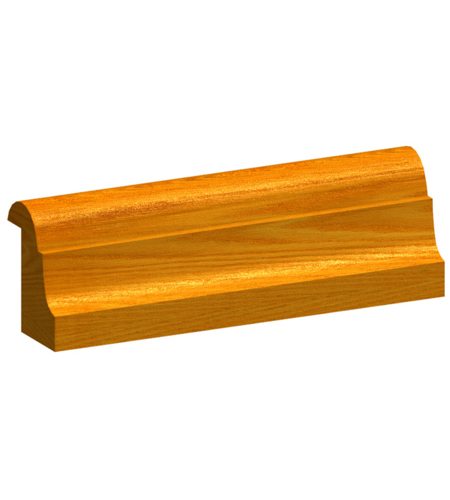
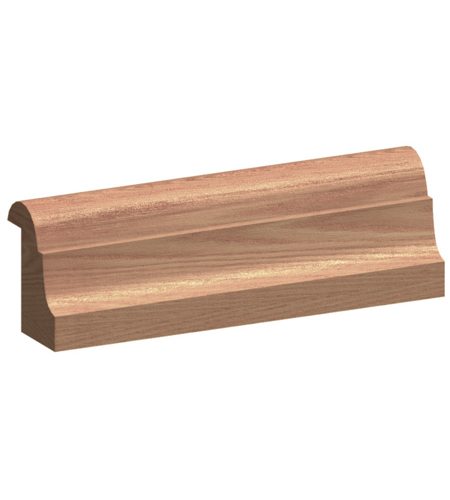
Classic, strong, and timeless, oak is one of the most trusted and versatile hardwoods in woodworking. We offer premium oak lumber, plywood, and mouldings ideal for furniture, cabinetry, flooring, millwork, and interior accents that require durability and natural beauty. Available in both red oak and white oak, this wood is known for its distinctive grain patterns, excellent strength, and long-lasting performance. Oak machines well, holds detail beautifully, and accepts stain and finishes easily—making it a favourite for both traditional and modern designs. As a proudly Canadian company, Windsor Plywood is committed to providing high-quality, hard-to-find wood species and expert, personalized service. Whether you're building heirloom furniture or upgrading your home’s interior, oak offers the strength, character, and timeless appeal to make your project stand out.



Frequently Asked Questions
What interior trim products does Windsor Plywood carry?
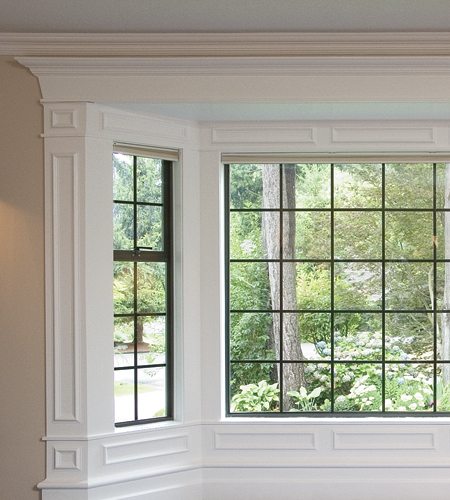
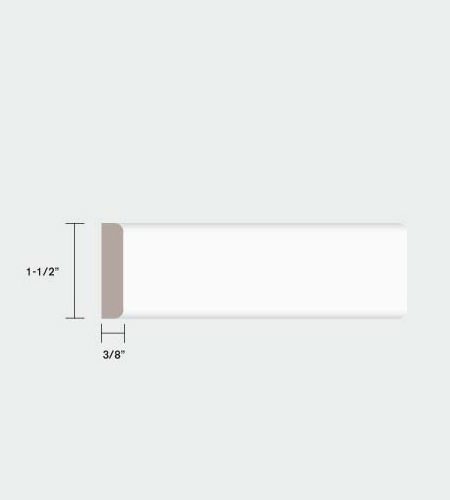
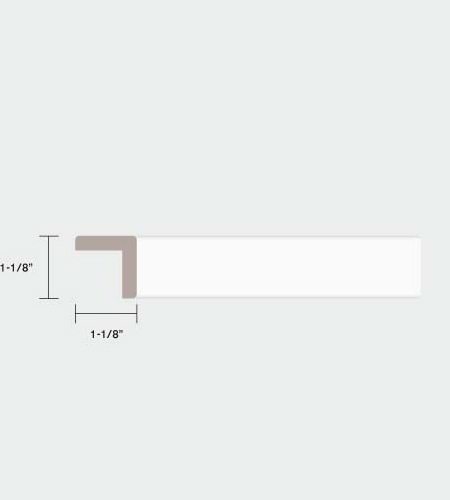
Windsor Plywood carries a comprehensive range of interior trim including baseboard, door and window casing, crown moulding, chair rail, wainscot cap, quarter-round, cove, and flat stock profiles from Alexandria Moulding and Metrie. Available in paint-grade finger-jointed pine, MDF, poplar, and select hardwood species. Pre-primed trim reduces site preparation time.
What is the difference between MDF and wood trim for painted applications?
MDF trim is denser and heavier than wood, provides a smoother painted surface due to the lack of wood grain, is highly consistent in dimensions, and does not have the resin and grain concerns of wood. Wood trim (pine, poplar, finger-jointed) is lighter, easier to nail and cut, holds fasteners at the ends and edges better than MDF, and is less susceptible to moisture damage. Both produce excellent painted results when properly primed and painted.
How do I calculate the amount of baseboard and casing I need for a room?
For baseboard, measure the perimeter of the room in linear feet and add 10 to 15 percent for waste and mitre cuts. Subtract door widths from the perimeter total. For casing, calculate 2 sides plus 1 head for each door opening (each head equals the door width). A standard 32-inch door requires approximately 22 linear feet of casing including waste. Add all openings together and add 15 percent for waste.
What nail size is used for installing interior trim?
Use 15-gauge or 16-gauge finish nails for baseboard and casing. Nail length should be sufficient to penetrate through the trim, through the drywall, and at least 1 inch into the wall stud or framing — typically 2 to 2-1/2 inch nails for most applications. For quarter-round and small cove, 18-gauge brad nails are appropriate. Set all nail heads below the surface and fill with painter's putty before painting.
Should I use caulk or wood filler on interior trim joints?
Use paintable latex caulk to fill the gap between trim and wall surfaces, and at inside corners where trim meets trim. Caulk is flexible and accommodates seasonal movement better than rigid fillers. Use wood filler or painter's putty specifically to fill nail holes in the trim surface. Apply both before the finish coat of paint. Do not caulk outside mitre joints on wood trim — the joint should be glued and nailed tight; any gap indicates a cut that needs to be re-cut or adjusted.