

 Find Your Store
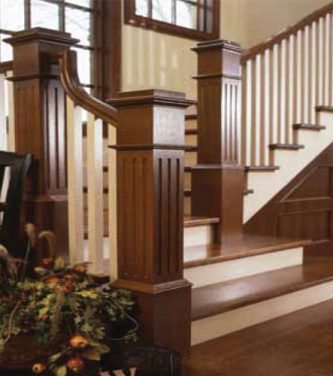
Elevate your interior with our premium selection of stair components, designed to add both function and style to any staircase project. We carry everything you need to build or update your stairs, including high-quality stair treads, nosing, railings, posts, spindles, and more. Whether you're aiming for a classic look or a modern design, our components come in a variety of wood species and finishes to match your home’s aesthetic. Perfect for homeowners, builders, and renovators, our stair parts are carefully sourced for durability, craftsmanship, and seamless integration. As a proudly Canadian company, our locally owned stores offer personalized service and expert advice to help bring your staircase vision to life. From full stair rebuilds to simple updates, Windsor Plywood has the materials and know-how to help you get the job done right. Visit us in-store to explore your options and start planning your project.
Not all products are available at every location. Check with your local store for current assortment and availability.

Frequently Asked Questions
What handrail profiles are available at Windsor Plywood?
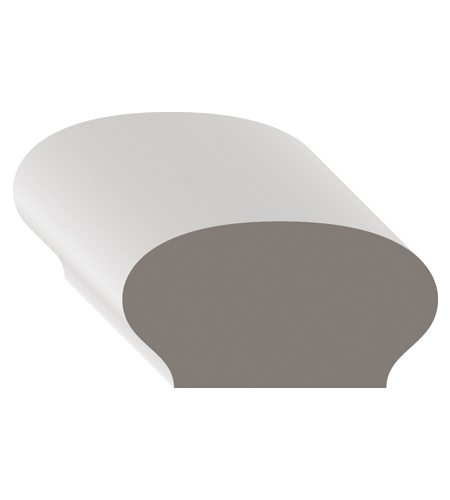
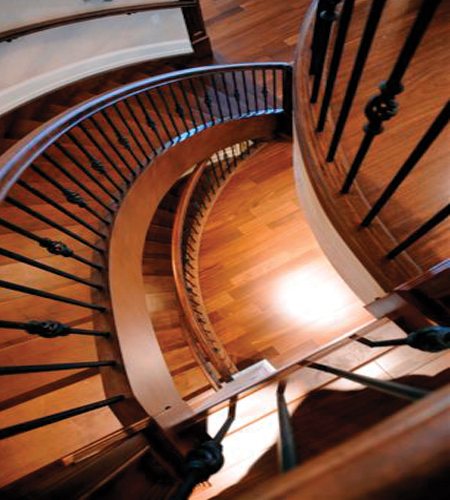
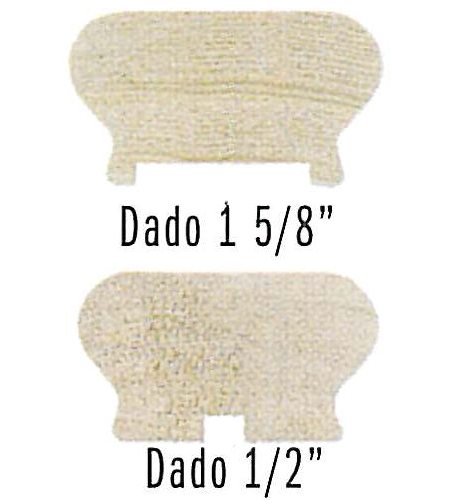
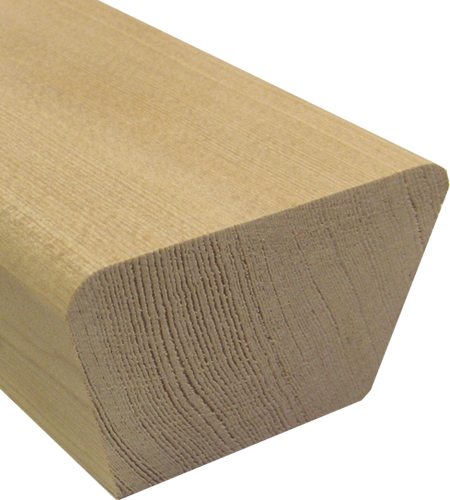
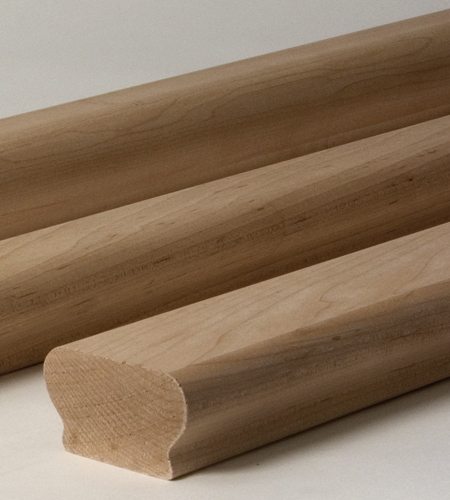
Windsor Plywood carries handrails in traditional round and colonial profiles, craftsman-style square rails, and contemporary flat-top profiles. Available in oak, maple, and pine in wood, and in metal round and square profiles for contemporary railing systems. Profile selection should coordinate with the spindle and post style.
What height should a stair handrail be installed at?
The National Building Code of Canada requires handrails to be between 865mm and 965mm (approximately 34 to 38 inches) above the stair nosing, measured vertically. For landings and level runs, the height is measured from the walking surface. Confirm your local code requirements as these can vary by province and building type.
What is the graspability requirement for stair handrails?
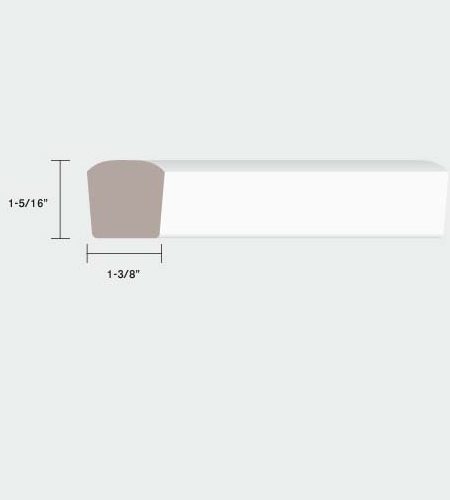
A graspable handrail must allow a full hand grip around the profile. A round rail between 1.25 and 2 inches in diameter meets this requirement. Flat-top rails and wide square profiles are not inherently graspable and typically require a graspable rail cap or secondary grip element to comply with code requirements.
Can I use the same handrail for stairs and a second-floor landing?
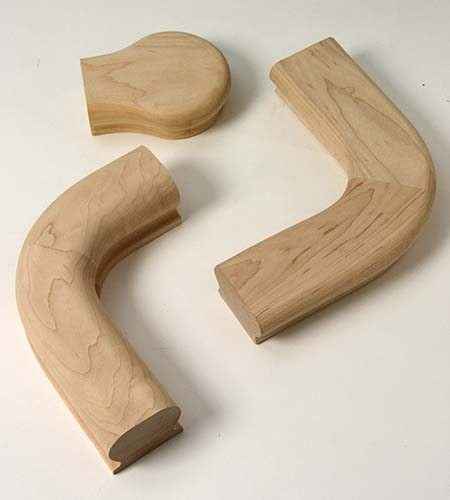
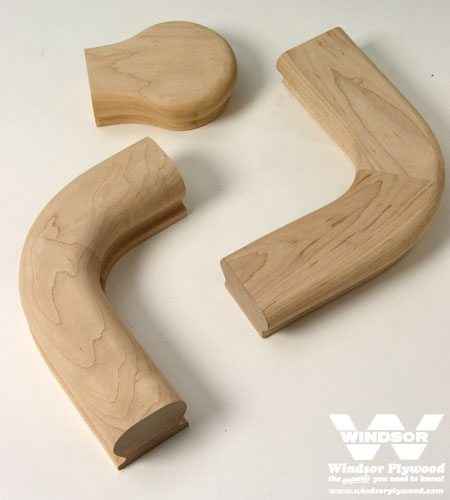
Yes. The same handrail profile can run continuously from the stair to a level landing section, which creates a cleaner visual flow. The mounting height changes between the stair run and the level section, so the rail transitions through a gooseneck or level quarter-turn fitting at the top and bottom of the stair run.
How is a wood handrail attached to the wall?
Wall-mounted wood handrails use rail brackets screwed into wall studs or blocking installed between studs. Brackets should be spaced no more than 48 inches apart, with brackets near each end of the rail run. The handrail is either screwed through the bracket from below or attached using a proprietary bracket system with a hidden fastener.