

 Find Your Store
Metrie is North America's largest manufacturer and distributor of solid wood and composite mouldings, as well as a leading supplier of interior doors and millwork solutions. With six manufacturing facilities and 26 distribution centers across Canada and the United States, Metrie offers an extensive portfolio of products designed to transform interiors—from baseboards, crown mouldings, and shiplap to door jambs, wall treatments, and prefinished solutions. Their value-added services include custom profile design, pre-mitered options, and factory-applied finishes to help streamline installation and reduce jobsite waste. As a proudly Canadian retailer, Windsor Plywood is pleased to offer Metrie’s full range of mouldings, trim, and doors—backed by expert advice and personalized service. Whether you're renovating a single room or designing a whole home, Metrie provides the tools and inspiration to help you create truly finished spaces.

Frequently Asked Questions
What handrail profiles are available at Windsor Plywood?
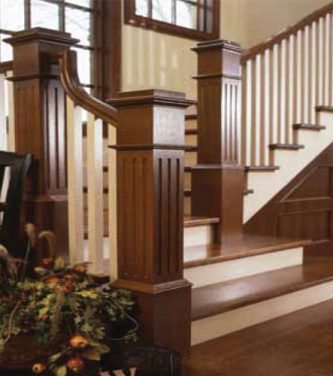
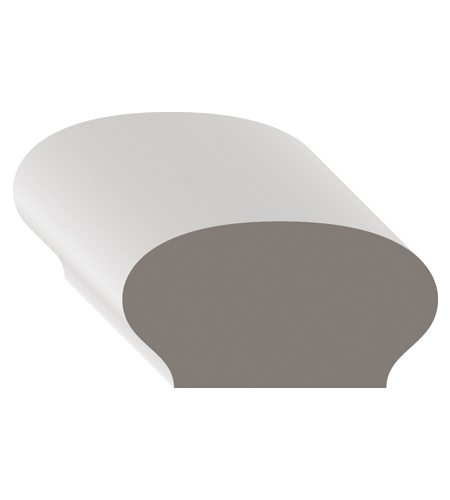
Windsor Plywood carries handrails in traditional round and colonial profiles, craftsman-style square rails, and contemporary flat-top profiles. Available in oak, maple, and pine in wood, and in metal round and square profiles for contemporary railing systems. Profile selection should coordinate with the spindle and post style.
What height should a stair handrail be installed at?
The National Building Code of Canada requires handrails to be between 865mm and 965mm (approximately 34 to 38 inches) above the stair nosing, measured vertically. For landings and level runs, the height is measured from the walking surface. Confirm your local code requirements as these can vary by province and building type.
What is the graspability requirement for stair handrails?
A graspable handrail must allow a full hand grip around the profile. A round rail between 1.25 and 2 inches in diameter meets this requirement. Flat-top rails and wide square profiles are not inherently graspable and typically require a graspable rail cap or secondary grip element to comply with code requirements.
Can I use the same handrail for stairs and a second-floor landing?
Yes. The same handrail profile can run continuously from the stair to a level landing section, which creates a cleaner visual flow. The mounting height changes between the stair run and the level section, so the rail transitions through a gooseneck or level quarter-turn fitting at the top and bottom of the stair run.
How is a wood handrail attached to the wall?
Wall-mounted wood handrails use rail brackets screwed into wall studs or blocking installed between studs. Brackets should be spaced no more than 48 inches apart, with brackets near each end of the rail run. The handrail is either screwed through the bracket from below or attached using a proprietary bracket system with a hidden fastener.