

 Find Your Store
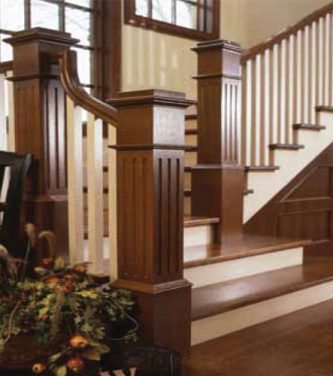
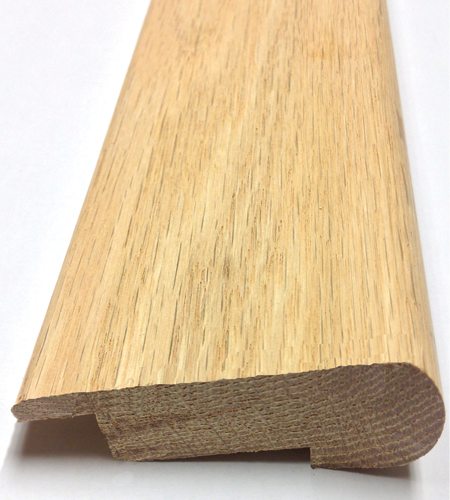
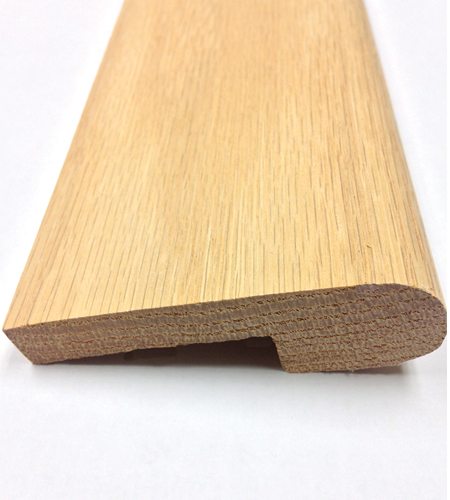
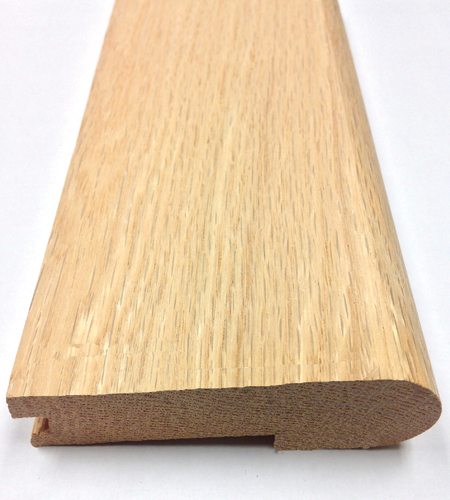
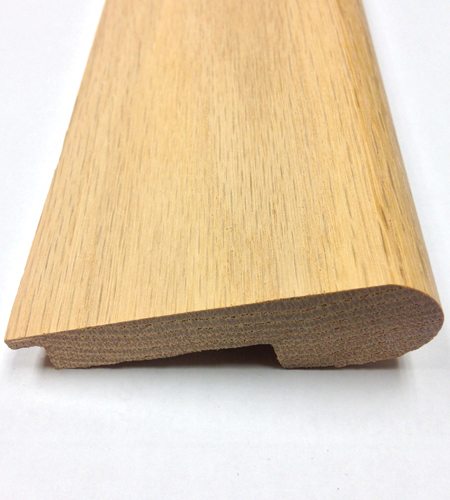
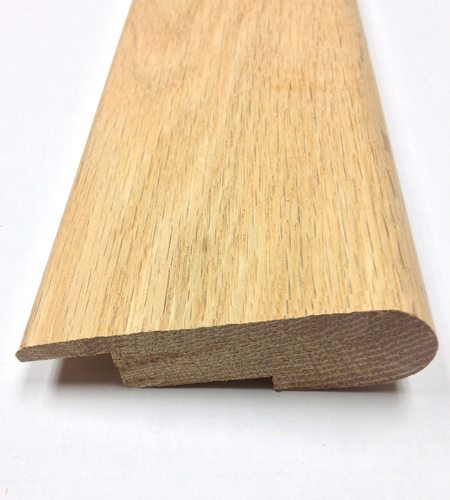
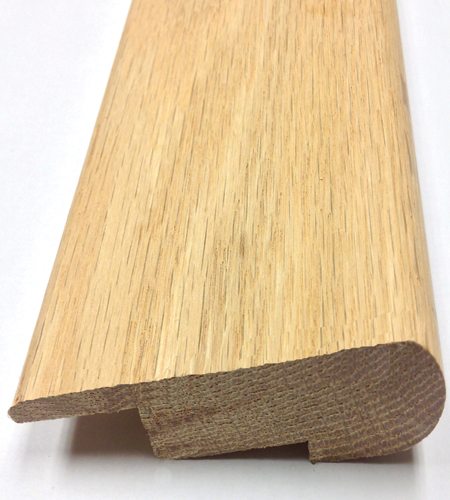
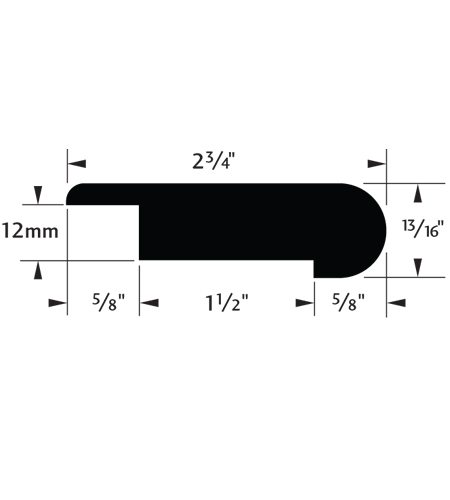
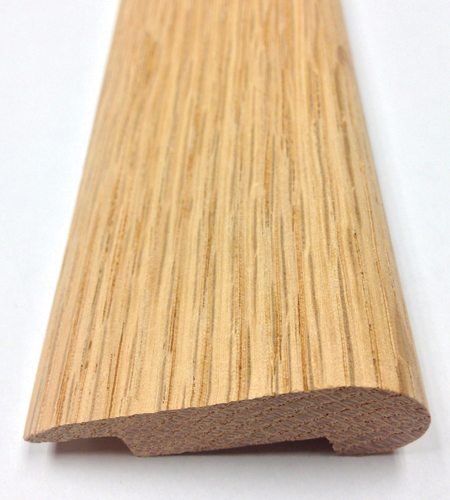
Add safety, durability, and a clean, finished look to your stairs with stair nosing. Stair nosing provides a smooth transition between stair treads and flooring while improving traction and reducing wear on high-traffic edges. Perfect for residential, commercial, or custom stair projects, our stair nosing comes in a variety of profiles, sizes, and finishes to match hardwood, laminate, vinyl, and other flooring types. Whether you're building new stairs or upgrading an existing staircase, stair nosing adds both function and style. As a proudly Canadian company with locally owned stores, Windsor Plywood specializes in hard-to-find finishing components and offers expert advice to ensure your project is done right. Visit your local store to explore our stair nosing options and complete your stairs with confidence and care.
Not all products are available at every location. Check with your local store for current assortment and availability.

Frequently Asked Questions
What stair components does Windsor Plywood carry?
Windsor Plywood carries stair treads, risers, nosing, newel posts, spindles, handrails, and stair stringers. Both open and closed riser configurations are supported, and components are available in wood species including oak, maple, and pine, as well as metal spindle options.
What wood species is best for stair treads?
Hard maple and red oak are the most durable and popular choices for stair treads. Both handle foot traffic, abrasion, and impact well. Oak's open grain provides slightly more visual traction. Maple is harder and more resistant to denting. Both accept stain and finish well and coordinate with most flooring and millwork options.
How do I choose between open and closed riser staircases?
Closed risers have a board filling the vertical space between each tread, giving a traditional, solid appearance. Open risers leave that space exposed for a more contemporary, airy look. Building codes in Canada require that open risers not allow a 100mm sphere to pass through, which limits the gap size for safety.
What is the standard stair tread depth and rise height in Canada?
The National Building Code of Canada specifies a minimum tread depth of 235mm (approximately 9.25 inches) and a maximum riser height of 200mm (approximately 7.875 inches). Actual dimensions vary by jurisdiction and project type. Confirm requirements with your local building authority before finalizing stair dimensions.
Do I need a permit to replace stair components in my home?
In most Canadian jurisdictions, replacing like-for-like stair components such as treads, spindles, and handrail is considered maintenance and does not require a permit. Changing the stair configuration, altering rise and run dimensions, or modifying the structural stringer typically does require a permit. Check with your local building department for specific rules.