

 Find Your Store

Frequently Asked Questions
What wood sealers and finishes does Windsor Plywood carry?
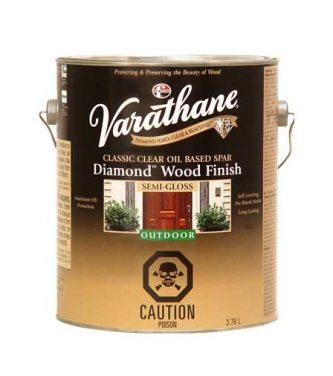
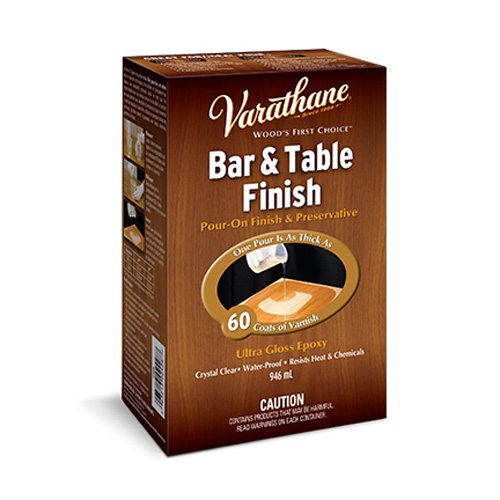
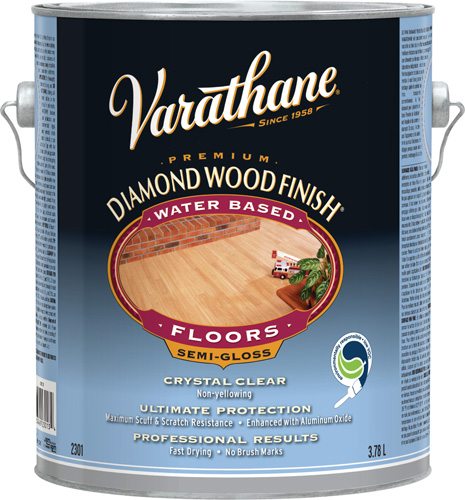
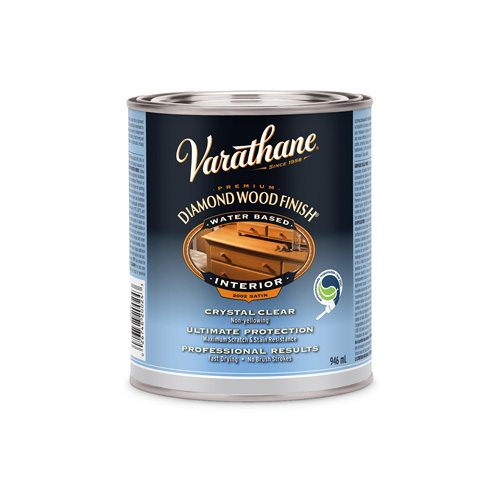
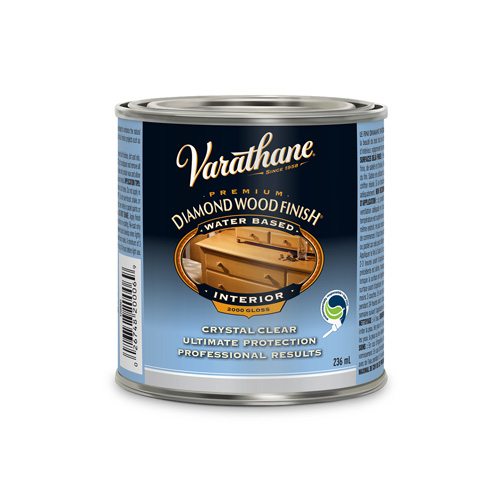
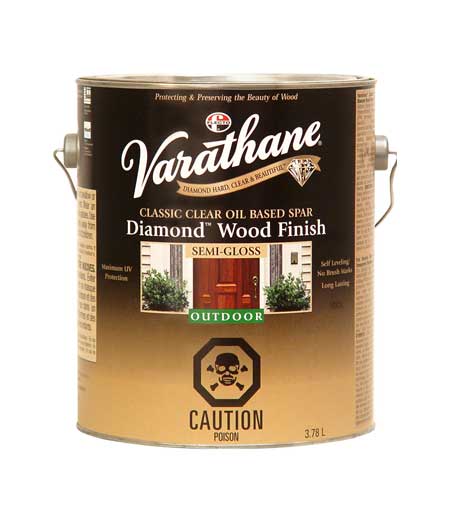
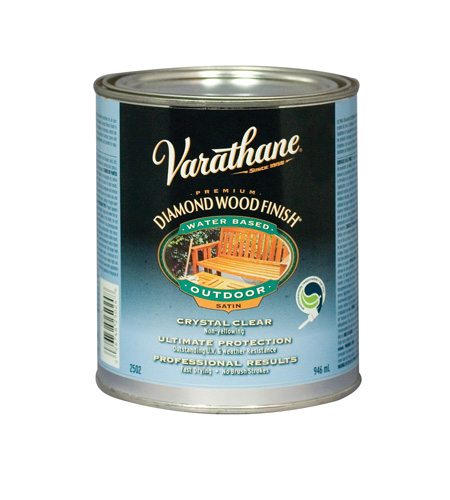
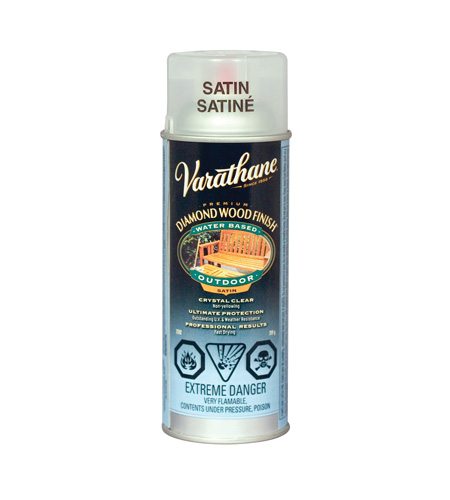
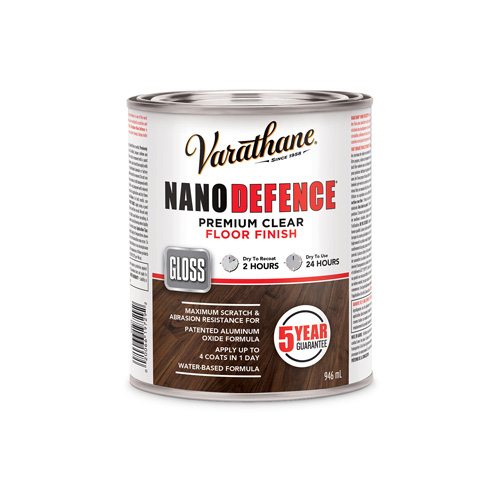
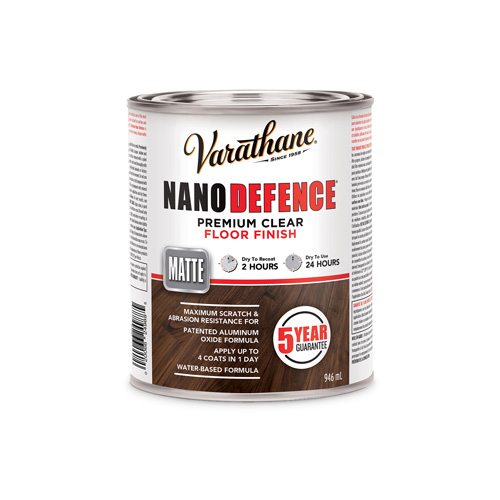
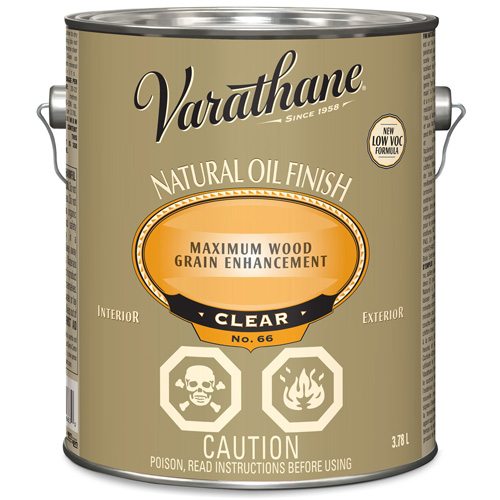
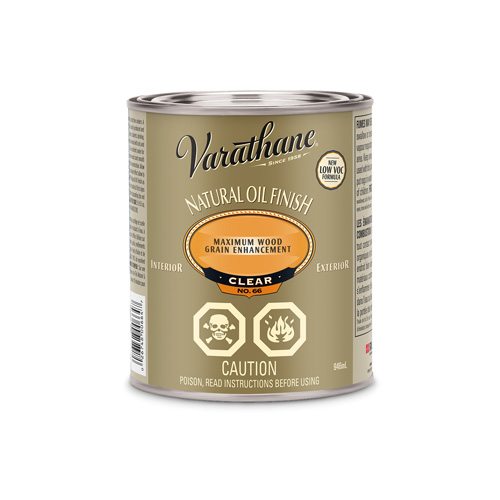
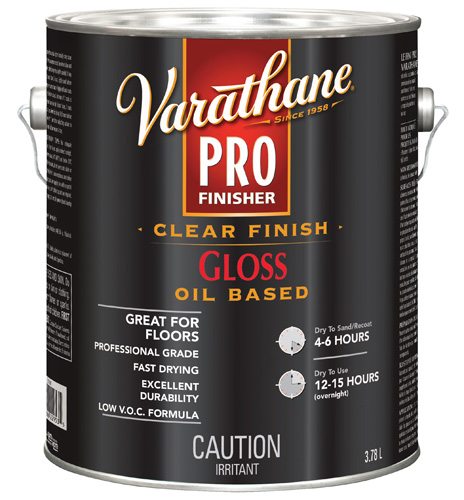
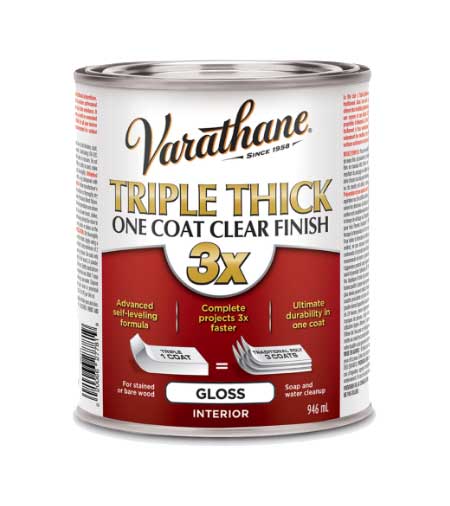
Windsor Plywood carries Osmo Polyx-Oil natural oil-wax floor and furniture finishes, Varathane polyurethane in oil-based and water-based formulations, Watco Danish Oil and penetrating finishes, Consolidated Coatings exterior and interior products, and related primers, stains, and topcoats. Both interior and exterior products are available across a range of wood applications.
What is the difference between a sealer and a finish?
A sealer penetrates the wood surface and prepares it for a topcoat by sealing pores, providing a uniform base, and improving adhesion of subsequent coats. Sealers include shellac, sanding sealer, and pre-stain conditioners. A finish is the final topcoat layer that provides the surface protection — polyurethane, varnish, lacquer, and oil finishes. Some penetrating oil finishes function as both sealer and finish in a single product.
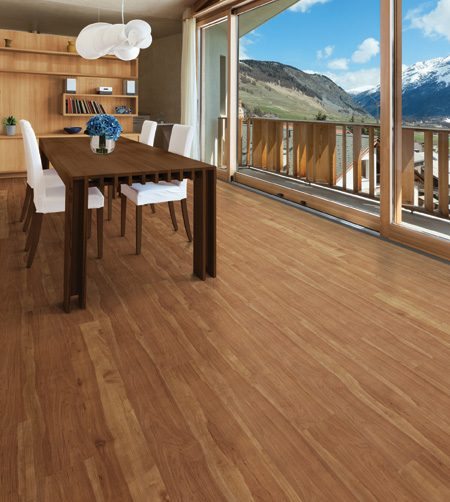
What finish is best for hardwood floors?
Oil-based polyurethane is the traditional standard for hardwood floors due to its durability, self-levelling properties, and warm amber tone that complements most wood colours. Water-based polyurethane dries faster, has less odour, and remains clearer without the amber cast. Osmo Polyx-Oil and similar penetrating oil systems provide a natural look and spot-repair capability at the cost of some surface hardness. The best choice depends on the wood species, desired appearance, and maintenance preference.
What exterior wood finish lasts longest in Canadian conditions?
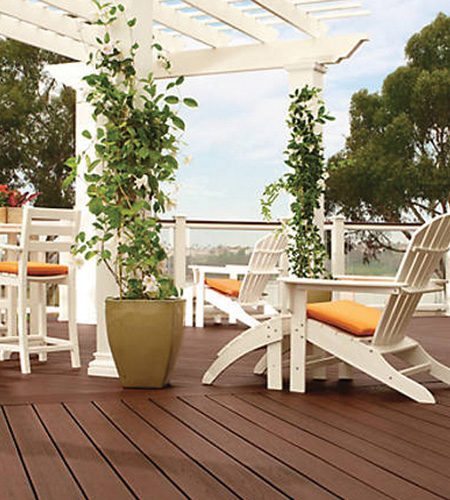
Penetrating exterior oil stains and semi-transparent deck finishes outlast film-forming paints and solid stains in exterior applications on decking and siding because they do not peel as they age. Penetrating finishes break down gradually and can be cleaned and recoated without stripping, while peeling film finishes require significant preparation before recoating. For maximum durability on horizontal surfaces like decks, choose a penetrating oil-based product rated for deck and dock applications.
Do I need to apply a separate sealer before using Varathane polyurethane?
For most interior wood applications, a separate sealer coat is not required before Varathane polyurethane. The first coat of thinned polyurethane (about 10 percent mineral spirits for oil-based, water for water-based) acts as a penetrating sealer. A dedicated sanding sealer provides a faster first coat build but requires sanding before topcoating. On extremely porous woods like pine, a shellac sealer coat before the first polyurethane coat provides more consistent results.