


 Find Your Store
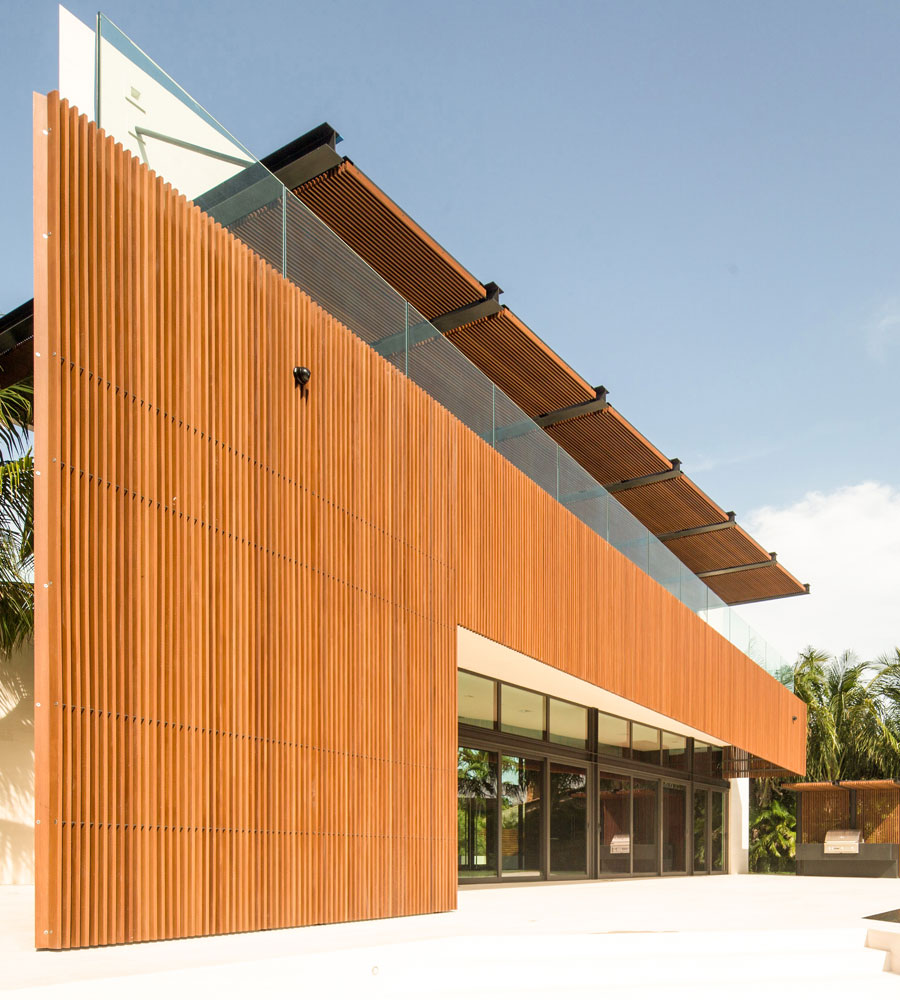
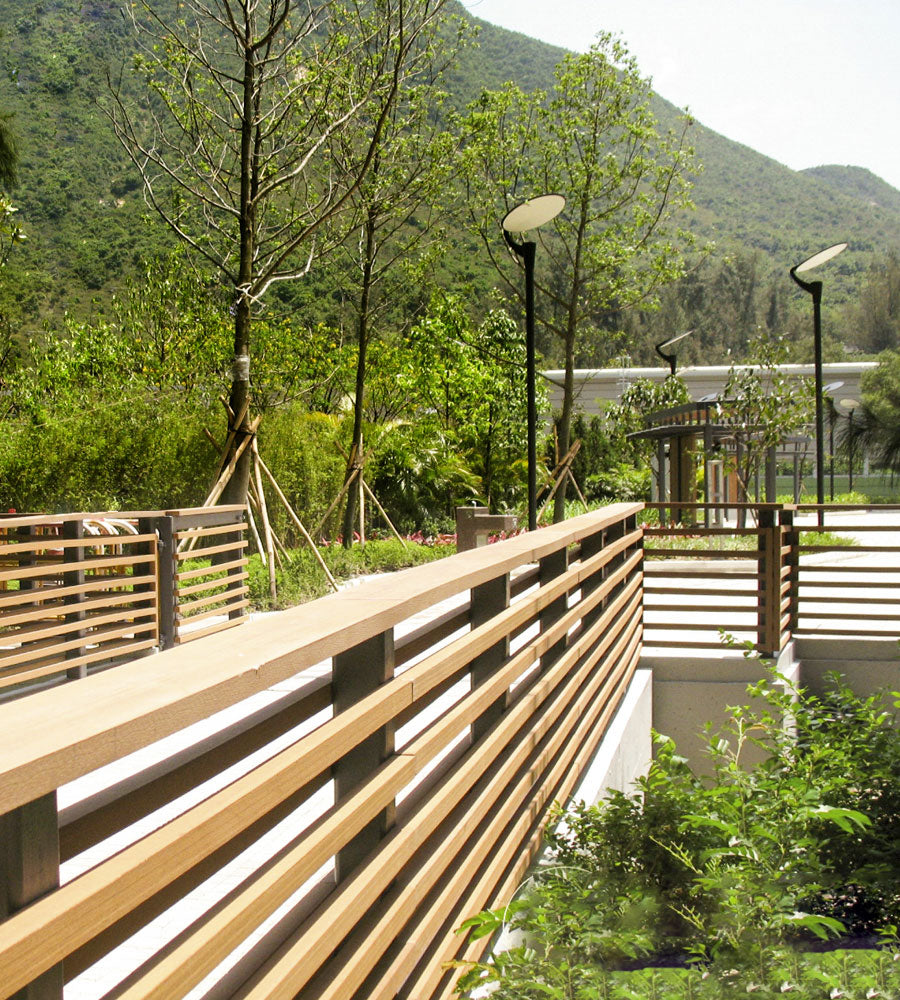
Sustainable, innovative, and remarkably versatile, Acre by Modern Mill is a revolutionary wood-alternative brand redefining the future of building materials. Available at Windsor Plywood, Acre products offer the warmth and workability of wood with the durability and eco-conscious benefits of modern composites—perfect for interior and exterior applications alike. Made from upcycled rice husks, Acre is 100% tree-free, water-resistant, pest-resistant, and won’t rot, crack, or splinter—making it ideal for decking, siding, trim, and millwork. It cuts, routs, sands, and finishes like wood, allowing for traditional craftsmanship without compromising on sustainability or performance. As a proudly Canadian company, we are committed to offering forward-thinking, hard-to-find materials backed by expert, one-on-one service. Whether you're building green or simply seeking superior durability, Acre by Modern Mill delivers a smarter, sustainable solution that looks and feels like real wood—only better.
Frequently Asked Questions
What recycled building products does Windsor Plywood carry?
Windsor Plywood carries recycled and eco-friendly building products including composite decking made from recycled wood fibre and plastic, recycled rubber flooring, and other materials that incorporate post-consumer or post-industrial recycled content. These products deliver performance comparable to virgin material alternatives while reducing material waste.
Are recycled composite building products as durable as conventional materials?
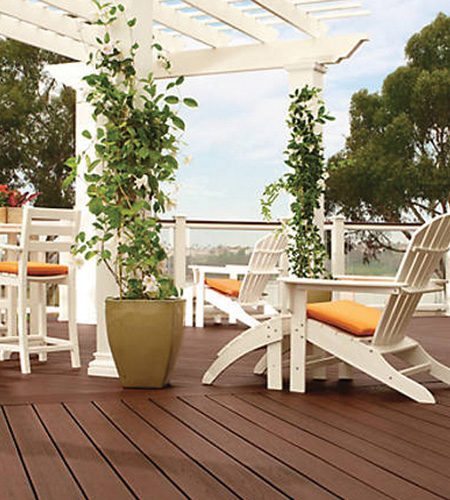
Yes. Quality composite products made from recycled content are engineered to meet or exceed the performance of conventional alternatives in their intended applications. Composite decking from brands like Trex uses 95 percent recycled material and carries 25-year warranties. Recycled rubber flooring outlasts vinyl and laminate in high-traffic commercial applications.
Do recycled building products qualify for green building certifications?
Many recycled content products contribute to LEED and other green building certification credits in the Materials and Resources category. Products must meet minimum recycled content thresholds and have documentation from the manufacturer. Windsor Plywood can provide product data sheets with recycled content percentages for products being specified for certified projects.
What is the difference between pre-consumer and post-consumer recycled content?
Pre-consumer recycled content is material diverted from the manufacturing waste stream before it reaches a consumer, such as sawdust, wood chips, and factory offcuts. Post-consumer recycled content is material recovered after consumer use, such as plastic bags, bottles, and demolished wood. Both count toward recycled content credits, but post-consumer content is generally weighted more heavily in sustainability frameworks.
Are recycled building products more expensive than conventional alternatives?
Recycled content products vary in price depending on the category. Composite decking made from recycled content carries a higher upfront cost than pressure-treated wood decking but delivers lower lifetime maintenance costs. The cost-benefit calculation over a product's lifespan often favours recycled alternatives when maintenance requirements are factored in.