

 Find Your Store
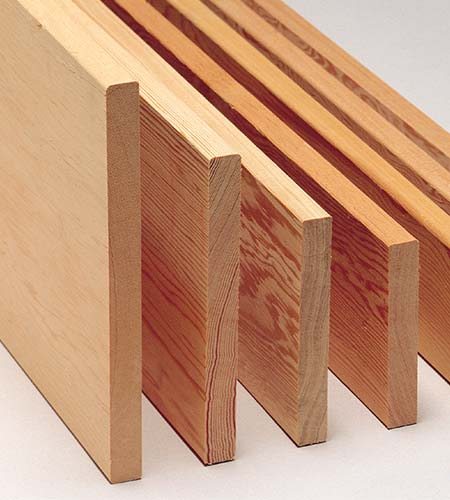
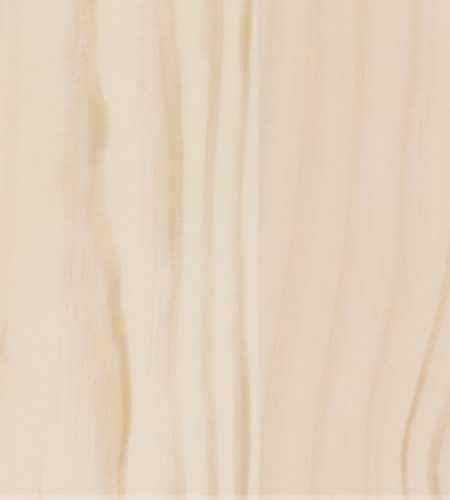
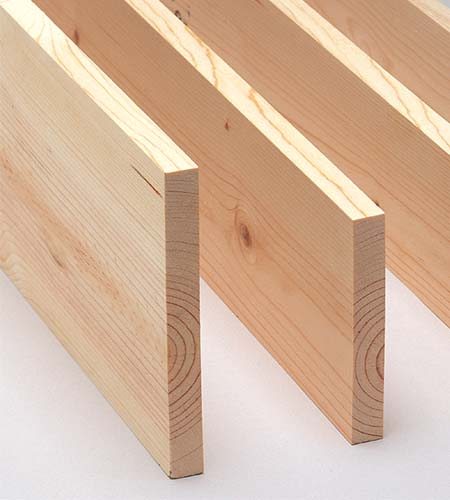
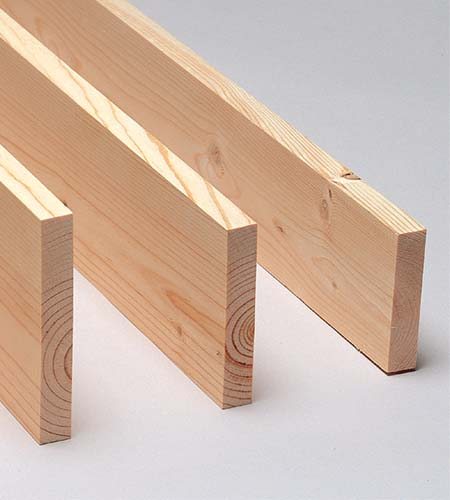
Light, versatile, and naturally charming, pine is a classic softwood known for its workability and wide range of uses. We offer high-quality pine lumber, panels, and mouldings perfect for furniture, shelving, trim, panelling, and DIY projects that call for a warm, natural look. Pine features a pale yellow to light brown colour with a straight grain and characteristic knots that add rustic appeal. It’s easy to cut, sand, stain, and paint—making it a favourite among woodworkers, builders, and hobbyists alike. Whether you're crafting something new or restoring the old, pine offers the flexibility and affordability to get the job done right. As a proudly Canadian company, Windsor Plywood specializes in hard-to-find wood products and provides expert, one-on-one service. For everything from home décor to construction, pine delivers dependable performance and classic style that fits virtually any project.
Frequently Asked Questions
What pine products does Windsor Plywood carry?
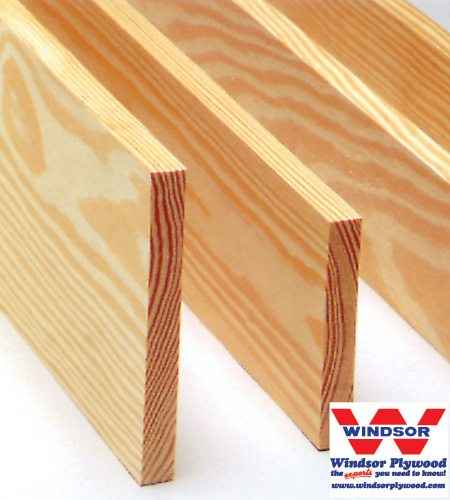
Windsor Plywood carries pine lumber in construction, select, and finish grades including SPF framing lumber, clear pine boards, finger-jointed pine trim, and knotty pine panelling. Pine is one of the most widely available and versatile species, used for framing, interior trim, furniture, shelving, and decorative panelling.
What is the difference between clear pine and knotty pine?
Clear pine is graded to minimize or exclude knots, producing a consistent, smooth surface suitable for painted or stained trim, furniture, and millwork where a clean appearance is required. Knotty pine grades allow knots as a design feature, producing the rustic, characterful appearance popular in cabin interiors, panelling, and country-style furniture.
Is pine a good choice for painted furniture?
Pine is commonly used for painted furniture, particularly in DIY and production furniture applications. It machines easily, is widely available, and is cost-effective. The main considerations are its softness relative to hardwoods (it dents more easily) and its tendency to blotch when stained without conditioner. A shellac-based primer seals the resinous wood and provides a better base for paint than standard water-based primer alone.
Does pine need to be sealed before painting or staining?
Yes. Pine contains resin, particularly around knots, that bleeds through paint and stain without sealing. Apply a shellac-based primer or knot sealer over all knots before finish painting. For stained pine, apply a pre-stain conditioner to reduce blotchy stain absorption. Failing to seal pine knots results in yellow-brown staining appearing through the finish over time.
What is finger-jointed pine and is it suitable for trim?
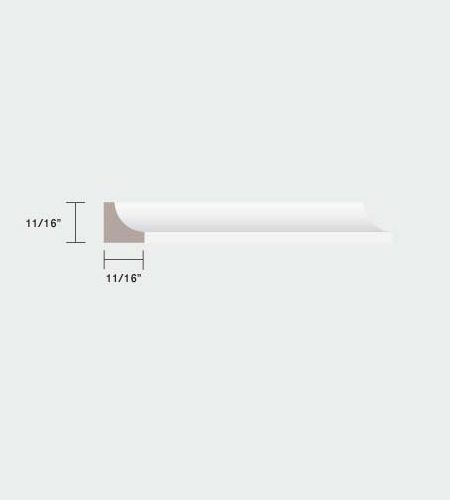
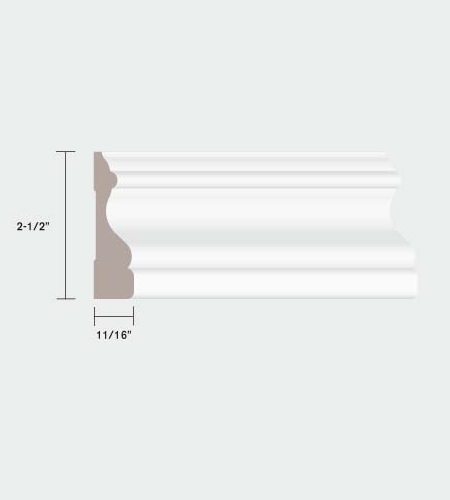
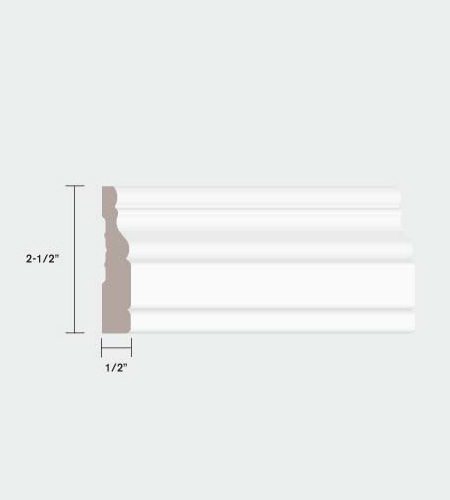
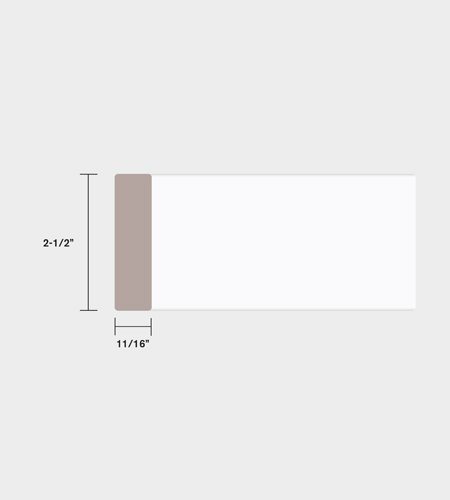
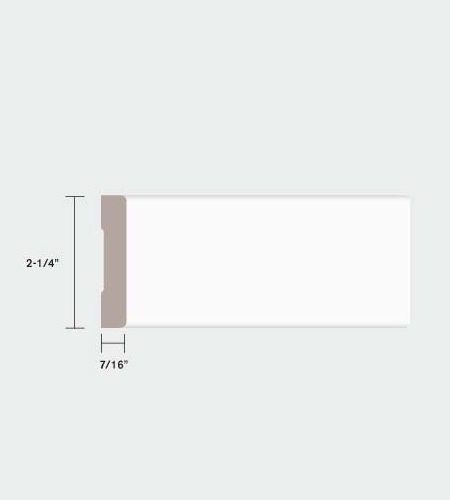
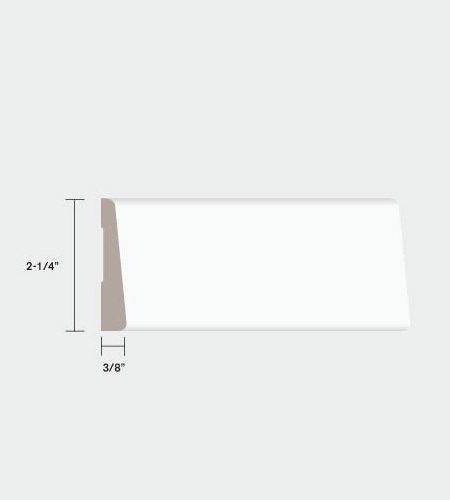
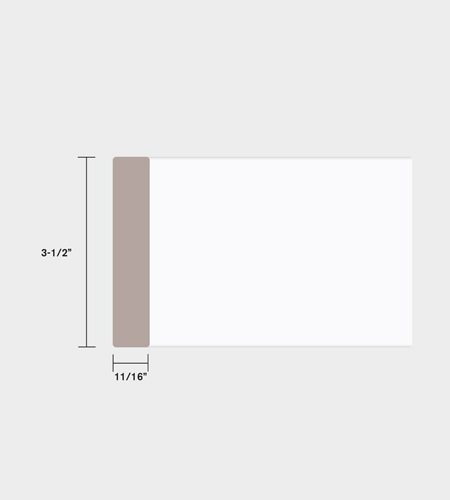
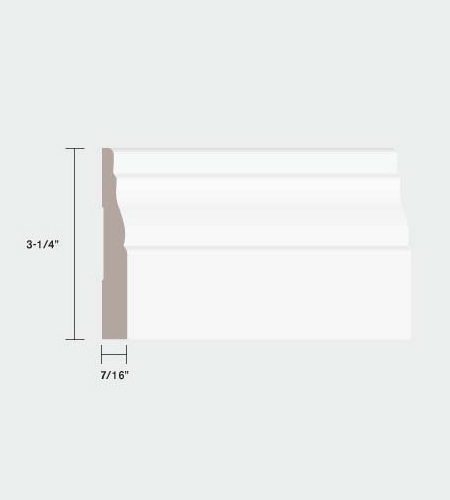
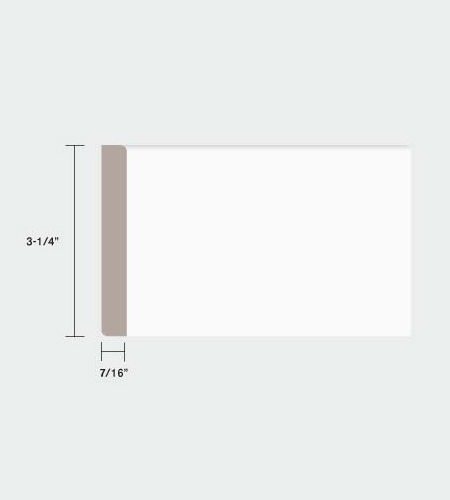
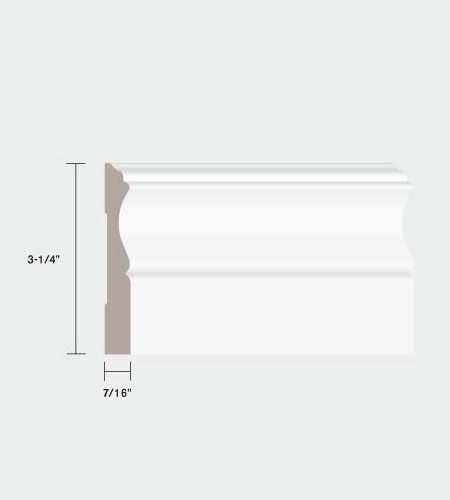
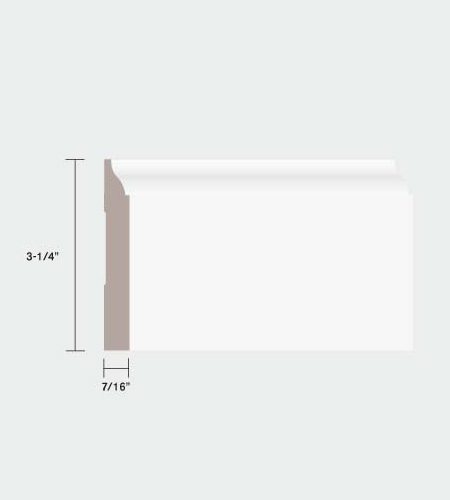
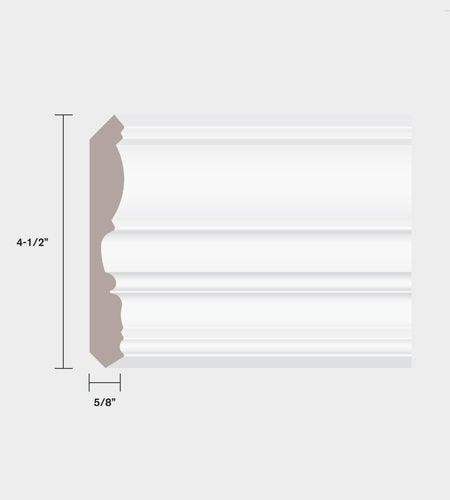
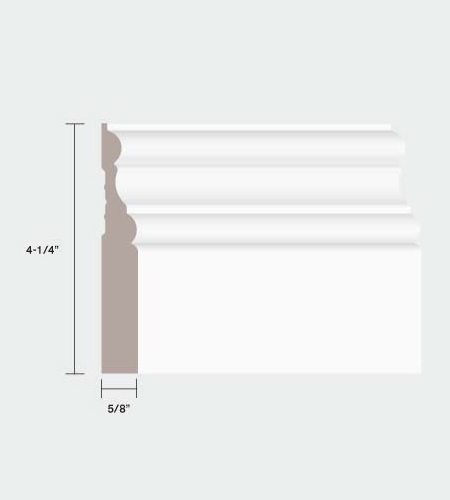
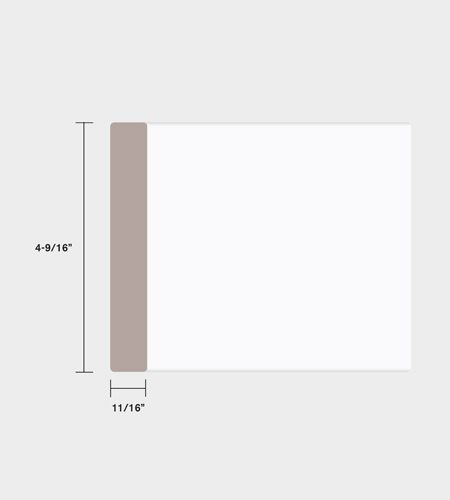
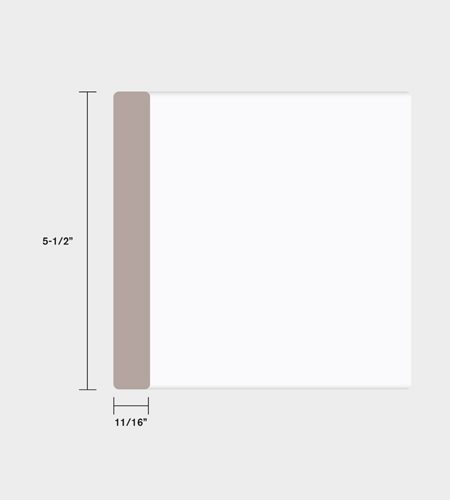
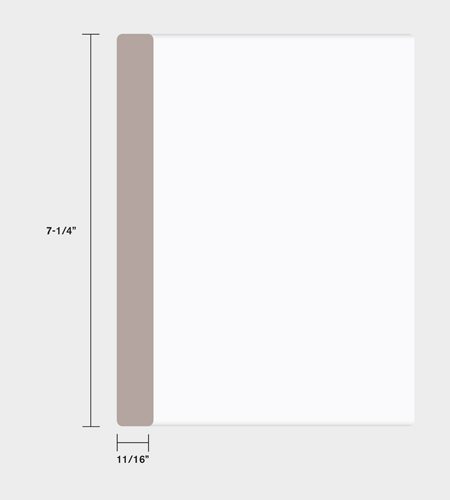
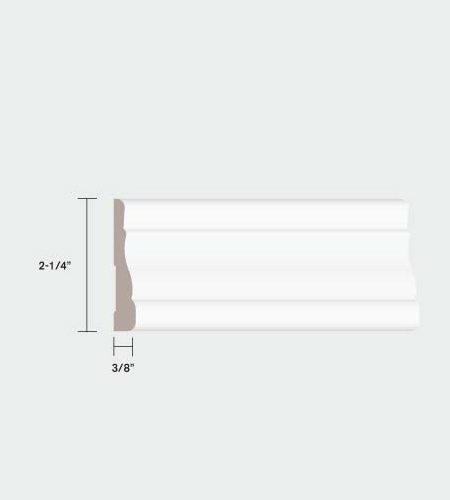
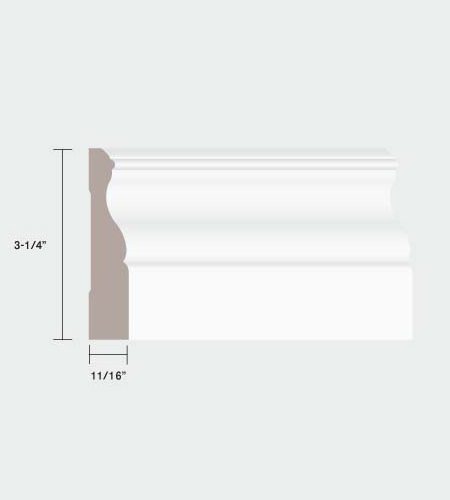
Finger-jointed pine is made by machining short pine pieces with interlocking finger joints and gluing them end-to-end into longer boards. The joints are nearly invisible under paint. Finger-jointed pine is an economical and stable alternative to clear pine for painted trim applications. It is not suitable for stained applications where the joints become visible. Windsor Plywood carries finger-jointed pine trim profiles in common baseboard and casing sizes.