

 Find Your Store
Build better with eco-friendly wood products—where sustainability meets style, quality, and performance. We offer a growing range of environmentally responsible materials, including FSC-certified lumber, reclaimed wood, rapidly renewable species, and low-VOC products that support greener building practices without compromising on aesthetics or durability. Our eco-friendly options are ideal for everything from furniture and cabinetry to panelling, flooring, and outdoor projects. Whether you're a contractor, designer, or DIYer, you can feel good about choosing materials that help reduce environmental impact while still delivering the high standards Windsor Plywood is known for. As a proudly Canadian company, we’re committed to sourcing responsibly harvested and sustainably managed wood products. With expert advice and a selection of hard-to-find, high-quality materials, we’re here to help you create beautiful, lasting projects that are as good for the planet as they are for your space.
Frequently Asked Questions
What types of moulding does Windsor Plywood carry?
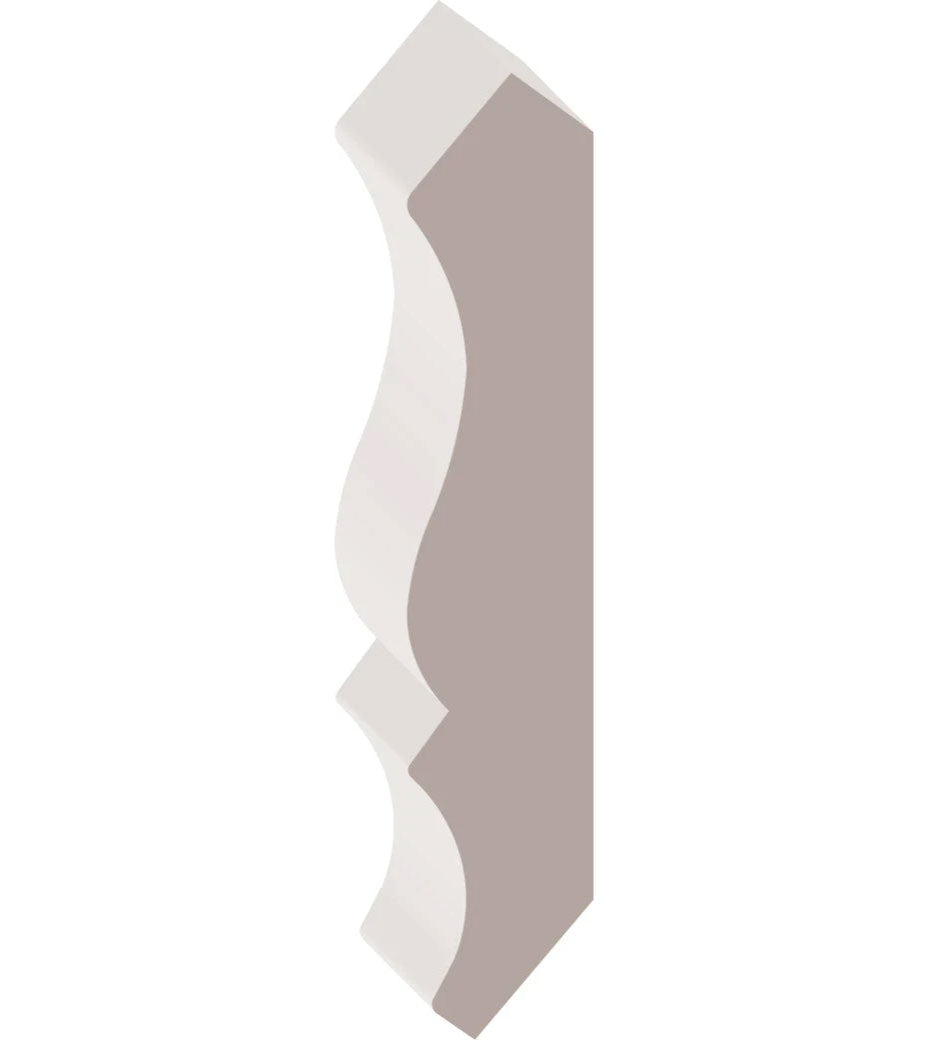
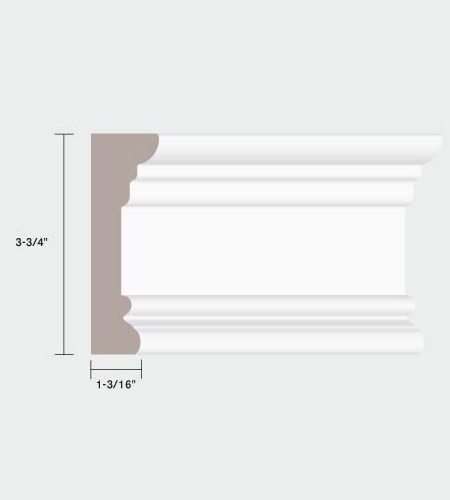
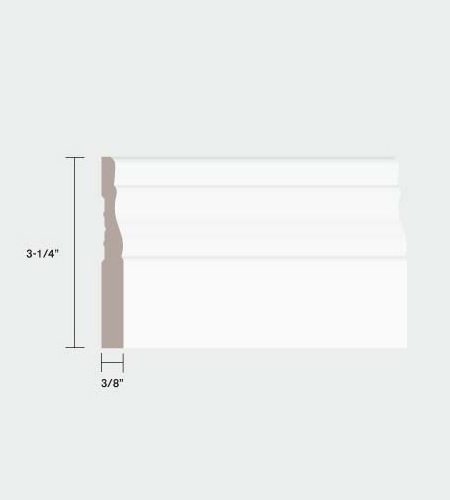
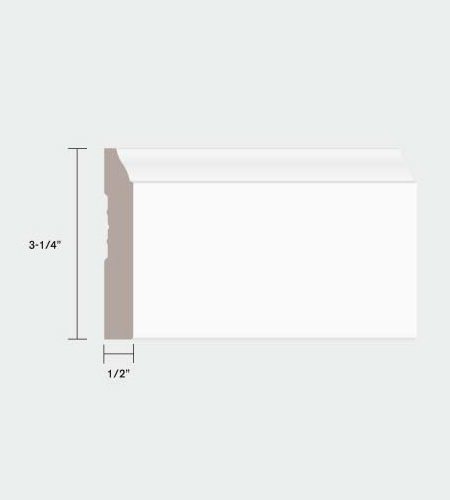
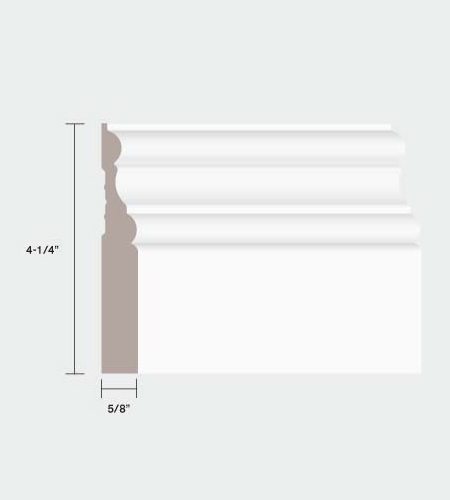
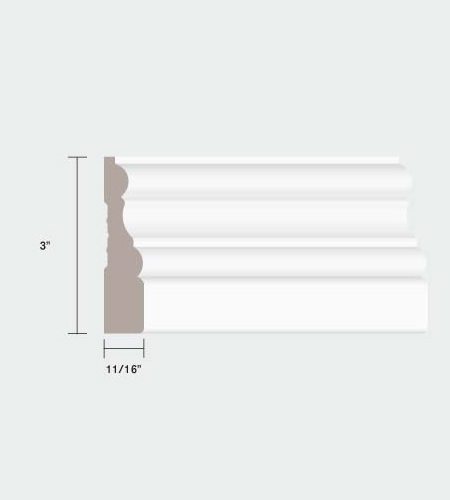
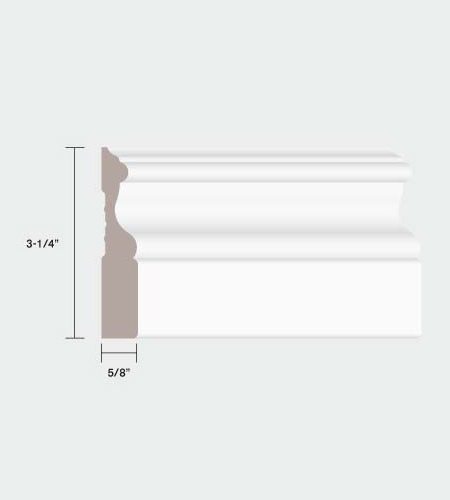
Windsor Plywood carries a comprehensive range including baseboard, crown, casing, cove, trim, flat stock, architrave, cabinet moulding, floor mouldings, and finishing lumber. Profiles are available in solid wood species such as oak, maple, fir, and hemlock, as well as MDF and paint-grade composites.
What is the difference between wood moulding and MDF moulding?
Wood moulding shows natural grain and takes stain beautifully, making it the preferred choice when the natural material is part of the design intent. MDF moulding has a perfectly smooth, consistent surface ideal for painted applications and is generally more affordable. MDF should not be used in areas with moisture exposure.
How do I choose the right profile size for my room?
Scale to ceiling height. In rooms with standard 8-foot ceilings, baseboard in the 3-inch to 4-inch range and crown moulding around 3 inches reads proportionately. Taller ceilings support wider, more elaborate profiles. A common error is using undersized moulding that looks timid in a large room or oversized moulding that overwhelms a small one.
Can I mix different moulding profiles in the same home?
Yes, but maintain consistency within each room and coordinate the visual weight between adjoining spaces. The style category should be consistent throughout. Combining a contemporary flat-profile baseboard with an ornate Victorian crown moulding in the same room reads as unresolved. Windsor Plywood staff can help identify profiles that work together.
What is the best wood species for moulding in a high-traffic area?
Hard maple and oak are the most durable choices for mouldings that will take physical contact and wear, such as baseboards in hallways. Fir and hemlock are strong and take paint well. For areas that will be stained, choose a species that matches or complements your existing millwork and flooring.