

 Find Your Store


Frequently Asked Questions
What flooring underlayment does Windsor Plywood carry?
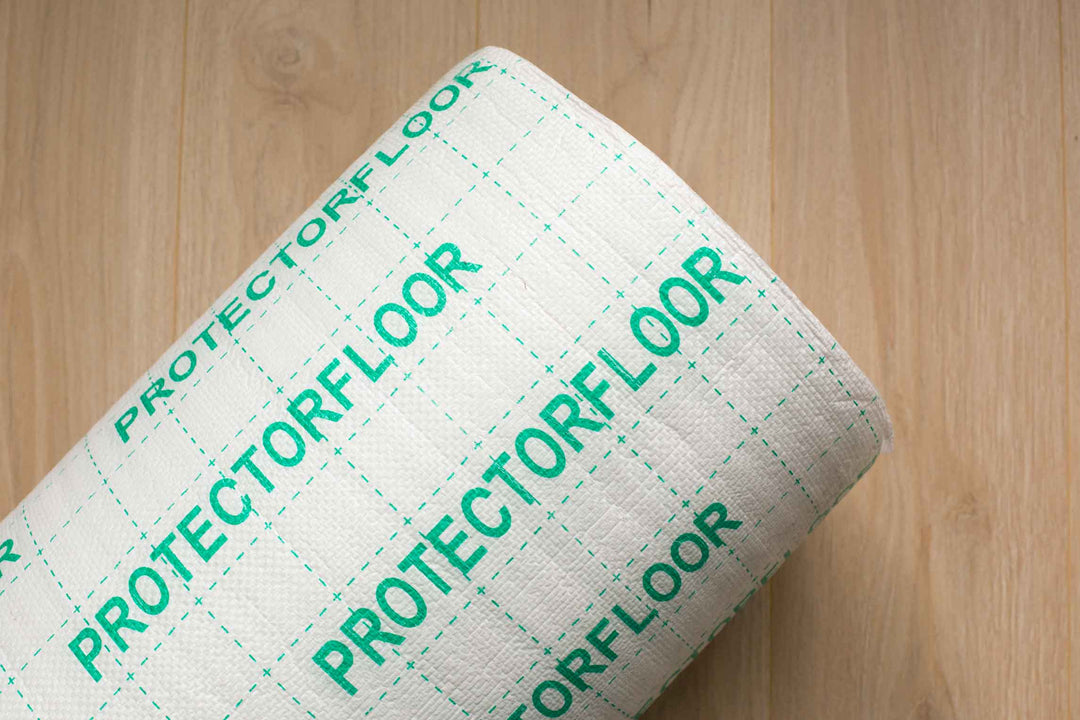
Windsor Plywood carries foam underlayment in 2mm and 3mm thicknesses for floating laminate and LVP installations, combination foam and vapour barrier products for below-grade applications, and cork underlayment for enhanced acoustic performance. Roll sizes suit both small DIY projects and full floor installations.
What thickness of underlayment should I use for laminate flooring?
Standard 2mm to 3mm foam underlayment is appropriate for most laminate flooring applications. Thicker underlayment is not recommended for laminate — the additional flex in thicker products causes stress on the click-lock joints over time. For enhanced sound reduction, a higher-density underlayment or cork product provides better acoustic performance without the thickness issue.
Do I need underlayment under LVP (luxury vinyl plank) flooring?
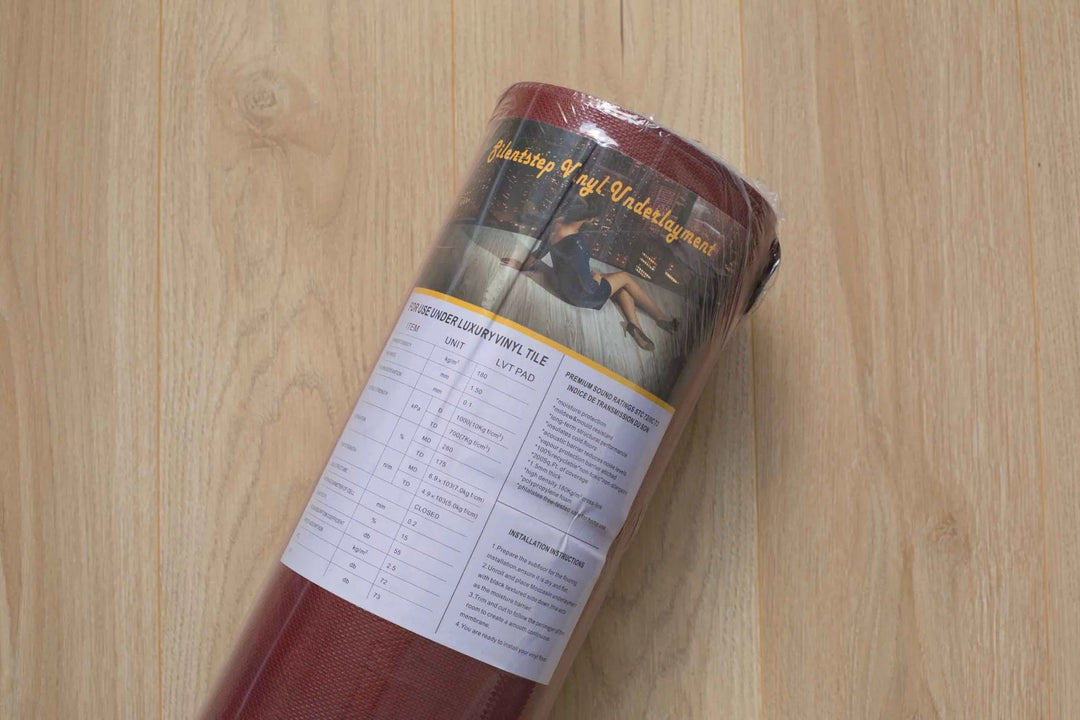
Many LVP products include pre-attached underlayment. For these products, do not add additional underlayment beneath, as the extra layer causes excessive flex in the click-lock connection. For LVP without pre-attached underlayment, a thin 1mm to 1.5mm underlayment is appropriate. Confirm the underlayment requirements with the LVP product documentation before purchasing.
What is the difference between standard underlayment and moisture barrier underlayment?
Standard foam underlayment provides cushioning and minor sound reduction but no moisture protection. Combination moisture barrier underlayment includes a polyethylene or similar vapour retarder bonded to the foam that slows moisture vapour movement from below. Moisture barrier underlayment is required for above-grade and below-grade installations over concrete slabs where moisture vapour can pass through and damage flooring.
Do I need underlayment under hardwood flooring?
Nail-down solid hardwood flooring over wood subfloor does not use foam underlayment — the floor is fastened directly to the subfloor. A roofing felt or building paper layer between the subfloor and hardwood is traditional and still recommended as a vapour retarder and to reduce minor squeaking. Glue-down hardwood over concrete does not use underlayment, relying instead on the adhesive itself for the bond and any vapour management.