

 Find Your Store
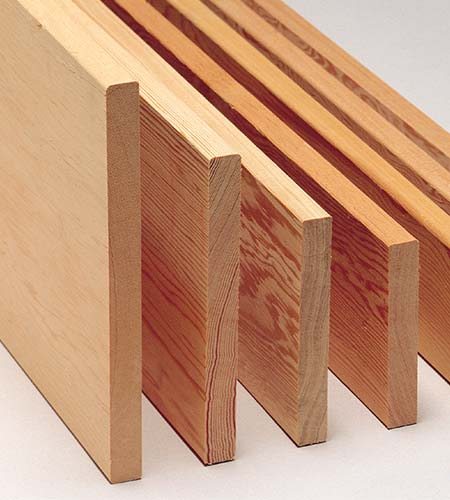
Quality, craftsmanship, and consistency define BH Wood, a trusted supplier of high-grade wood products for discerning builders, woodworkers, and designers. We are proud to carry a selection of BH Wood lumber and panels known for their precision milling, reliable performance, and beautiful natural finishes—ideal for a wide range of interior and specialty woodworking projects. BH Wood offers a variety of hardwoods and softwoods, including species like maple, oak, cherry, and walnut, all carefully sourced and processed to meet exacting standards. Whether you're crafting custom furniture, building cabinetry, or finishing a space with natural elegance, BH Wood provides the material quality you can depend on. As a proudly Canadian company, Windsor Plywood specializes in hard-to-find wood products and expert advice tailored to your needs. Trust BH Wood for premium-grade lumber and wood solutions that help bring your craftsmanship to life.




Frequently Asked Questions
What are floor mouldings and where are they used?
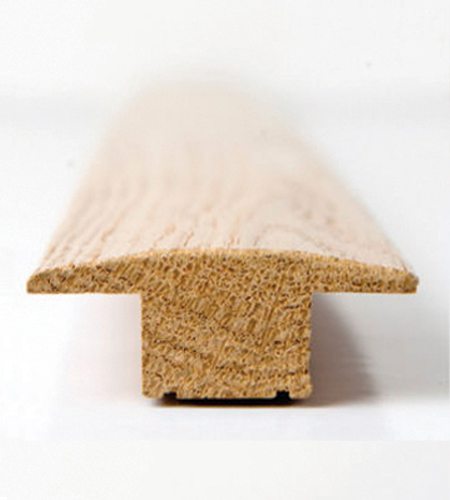
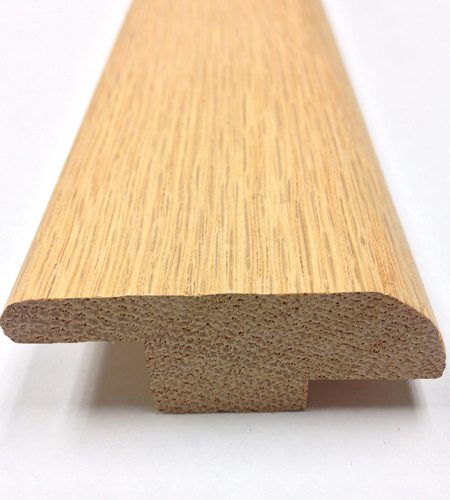
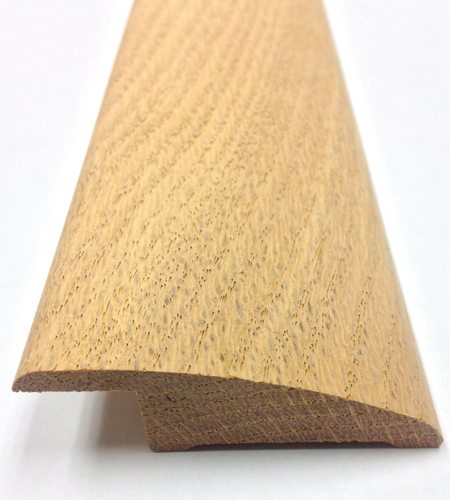
Floor mouldings are the trim pieces that create finished transitions between different flooring surfaces and at the perimeter of rooms. They include T-mouldings for room-to-room transitions, reducers where floor heights change, end caps, base shoe, and stair nose pieces. Each serves a specific transition function.
What is the difference between a T-moulding and a reducer?
A T-moulding creates a flush transition between two floors at the same height, typically used in doorways where two floating floors meet. A reducer creates a smooth slope between two floors of different heights, most commonly where hardwood or laminate meets lower-profile vinyl or tile. Using the wrong one creates an awkward height mismatch.
Do floor mouldings need to match the flooring exactly?
Matching the flooring species and finish is the standard approach for a unified look. Windsor Plywood carries floor mouldings in maple and oak that coordinate with common flooring options. A contrasting moulding can work as a deliberate design choice, but mismatched mouldings often look like an oversight rather than a decision.
What is base shoe moulding and when do I need it?
Base shoe is a small, flexible moulding installed at the base of the baseboard where it meets the floor. It covers the expansion gap required for floating floors and bridges minor gaps caused by an uneven floor surface. It is particularly important for laminate and LVP installations where the gap between baseboard and floor is visible.
How do I install floor mouldings on a floating floor without restricting movement?
Floor mouldings must be fastened to the wall or door frame only, never to the flooring itself. Nailing or gluing the moulding to the floor prevents the floating floor from expanding and contracting with seasonal humidity changes, which leads to buckling or joint separation. Use finishing nails into the wall framing, not into the floor.