


 Find Your Store
Ready to finish and easy to install, primed wood products are a convenient and time-saving solution for interior projects that require a smooth, paint-ready surface. We carry a wide selection of primed mouldings, trim, boards, and panels ideal for baseboards, casings, crown mouldings, and other finishing details. Primed products are typically made from MDF, pine, or finger-jointed wood and come pre-coated with a high-quality primer that ensures excellent paint adhesion and a consistent finish. This eliminates the need for on-site priming, helping you complete projects faster while maintaining a professional look. As a proudly Canadian company, Windsor Plywood offers high-quality, hard-to-find building materials along with expert, personalized service. Whether you're renovating, building new, or adding a decorative touch, our primed wood options provide a clean, efficient, and elegant solution to bring your vision to life.
Frequently Asked Questions
What crown moulding does Windsor Plywood carry?
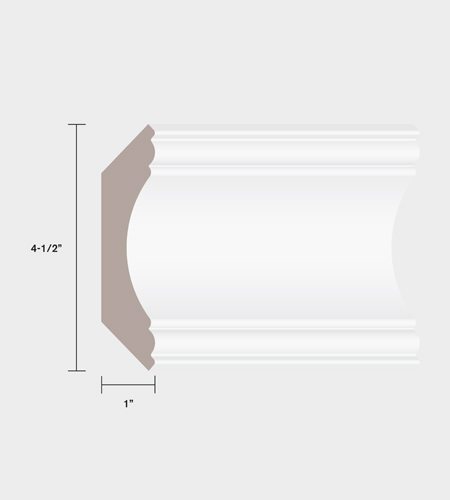
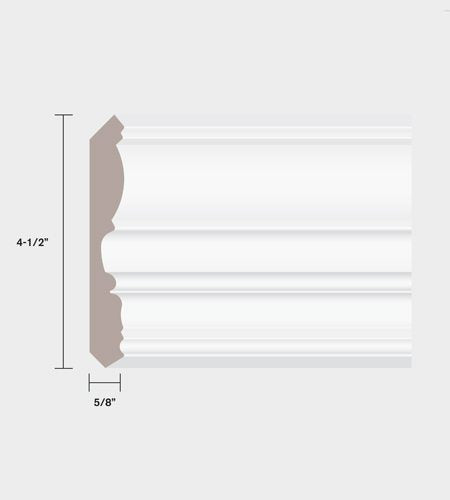
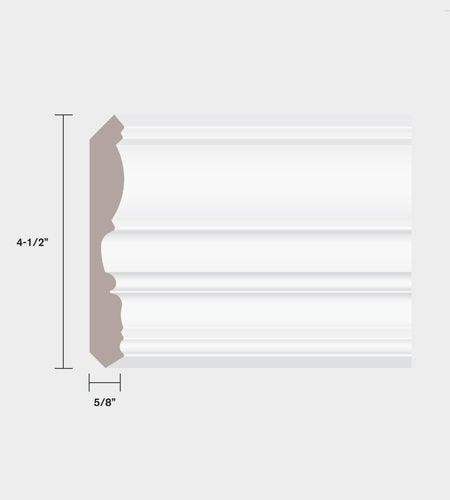
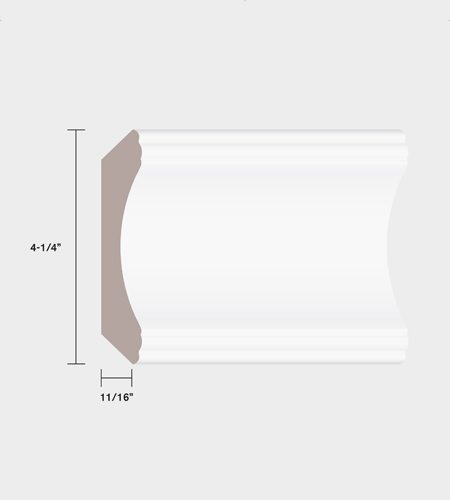
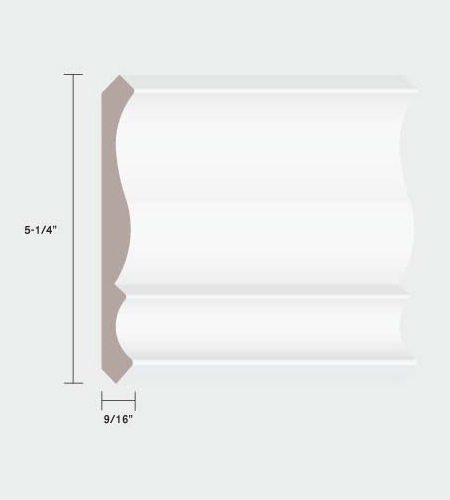
Windsor Plywood carries crown moulding in a range of profiles from 2-1/2 inch to 4-1/2 inch widths in pine, finger-jointed pine, poplar, and paint-grade MDF from Alexandria Moulding and Metrie. Both spring-angle and flat-backed profiles are available, in pre-primed and unprimed options.
What is the spring angle of crown moulding and why does it matter?
The spring angle is the angle at which the crown moulding sits against the wall and ceiling surfaces. Standard residential crown moulding springs at 38 or 52 degrees. The spring angle determines the cutting angles required on a mitre saw to make inside and outside corner cuts. Different spring angles require different saw settings. Identify the spring angle of your crown moulding before setting up your saw to cut corners.
How do I cut crown moulding corners on a mitre saw?
For crown moulding corners, two methods are used. The compound cut method cuts the moulding flat on the saw table at a combination of blade tilt and mitre angle calculated for the spring angle. The nested method positions the moulding against the fence of the mitre saw at its spring angle (with fence acting as the ceiling and table as the wall) and cuts standard 45-degree mitres. The nested method is simpler for most DIY applications.
What size crown moulding is appropriate for standard ceiling heights?
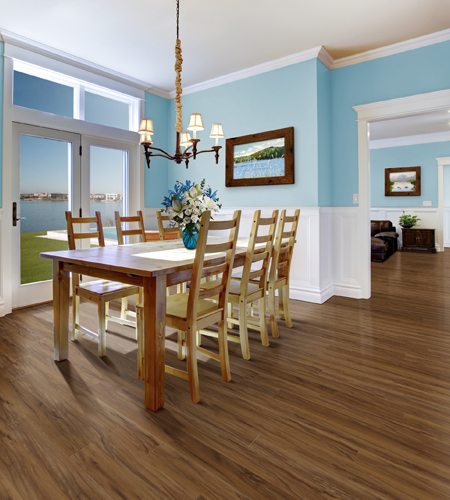
For standard 8-foot ceilings, 3 to 3-1/2 inch crown is proportionally appropriate. For 9-foot ceilings, 4-inch crown looks better. For 10-foot and taller ceilings, 4-1/2 inch to 6-inch crown with a built-up cornice assembly provides the visual weight appropriate for the space. Undersized crown on tall ceilings looks inadequate; oversized crown on low ceilings feels oppressive.
What is a built-up crown moulding and when is it used?
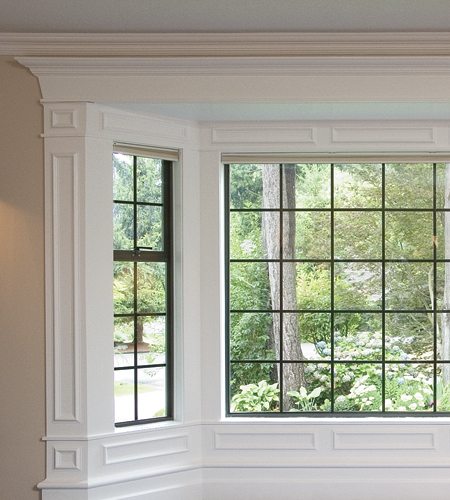
A built-up crown assembly combines multiple individual moulding profiles — typically a cove or crown piece, a flat frieze band, and a cap moulding — to create a larger, more architecturally significant cornice. Built-up assemblies are used in formal spaces and high-ceiling rooms where a single piece of crown would look undersized. They can be created from standard stock profiles available at Windsor Plywood.