

 Find Your Store
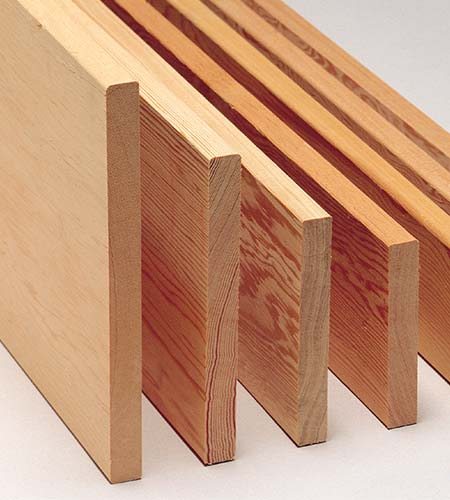
Explore the versatility and natural charm of softwood lumber. Ideal for a wide range of projects—from framing and furniture building to trim, panelling, and crafts—our selection includes premium species like pine, fir, and cedar. Softwoods are known for being easy to work with, making them a favourite among DIYers, woodworkers, and professional builders alike. We carry a variety of grades, dimensions, and specialty cuts, including kiln-dried and appearance-grade lumber. Many of our softwood products are responsibly sourced from Canadian forests and selected for their quality and consistency. Whether you're building something new or repairing what’s already there, Windsor Plywood has the materials and expert advice to help you do it right. Stop by your local store to explore our wide inventory and experience the personalized service that sets us apart. We’re here to help bring your project to life—every step of the way.
Frequently Asked Questions
What cedar products does Windsor Plywood carry?
Windsor Plywood carries western red cedar in dimensional lumber, decking, siding, and trim profiles. Western red cedar is the standard exterior wood throughout western Canada due to its natural decay resistance, dimensional stability, and ability to accept stain and paint. Aromatic red cedar for interior applications is also available, primarily in thin boards and panelling.
Why is western red cedar the preferred exterior wood in Canada?
Western red cedar contains natural oils that resist rot, insects, and moisture penetration without chemical treatment. It is dimensionally stable through seasonal humidity changes, which reduces warping, cupping, and splitting compared to other species in exterior conditions. Cedar is lighter than pressure-treated lumber, accepts finish well, and has an attractive natural appearance that suits both painted and stained applications.
What is the difference between western red cedar and aromatic cedar?
Western red cedar (Thuja plicata) is a large tree grown on the Pacific coast, used for exterior siding, decking, fencing, and structural applications. Aromatic cedar (Juniperus virginiana) is the eastern species with the characteristic cedar scent used for closet lining, chests, and drawer bottoms to repel moths. The two are unrelated species with very different applications.
Does cedar require treatment or finishing?
Cedar can be left to weather naturally to a silver-grey patina without finishing. For colour retention and surface protection, apply a penetrating exterior stain or a water-repellent finish before or shortly after installation. Penetrating stains are preferred over film-forming paints on cedar because they do not peel and are easier to re-apply. All cut ends should be sealed with the finish to slow end-grain moisture absorption.
What fasteners should I use with cedar?
Use hot-dipped galvanized, stainless steel, or coated fasteners rated for exterior cedar applications. Cedar's natural oils and tannins cause corrosion in standard zinc-plated and electroplated fasteners, which produces black staining around fastener heads. Stainless steel is the premium choice for coastal environments and high-visibility applications.