


 Find Your Store
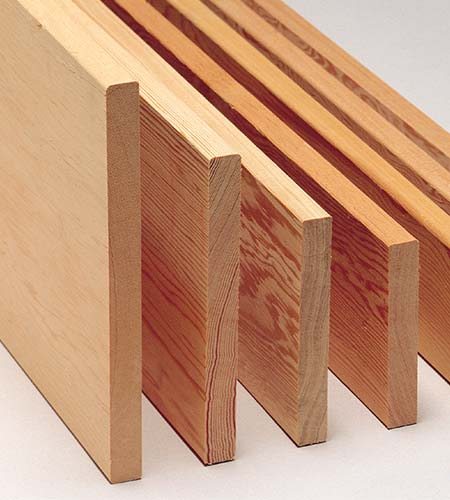
Straight-grained, strong, and beautifully light in colour, hemlock is a versatile softwood ideal for both structural and decorative applications. We offer premium hemlock lumber and trim products perfect for mouldings, doors, panelling, millwork, and interior accents that call for a clean, refined look. Hemlock is valued for its uniform texture, workability, and dimensional stability, making it a favourite among builders, woodworkers, and designers. It takes stain and finishes well, allowing for both natural and custom looks, and its resistance to warping makes it especially reliable for detailed trim and fine joinery. As a proudly Canadian company, Windsor Plywood specializes in high-quality, hard-to-find wood species and expert, one-on-one service. Whether you're adding warmth to an interior space or crafting something custom, hemlock offers a timeless appearance with the performance to match.


Frequently Asked Questions
What door and window casing does Windsor Plywood carry?
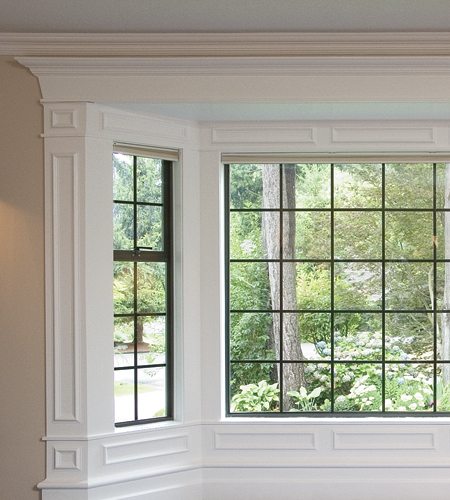
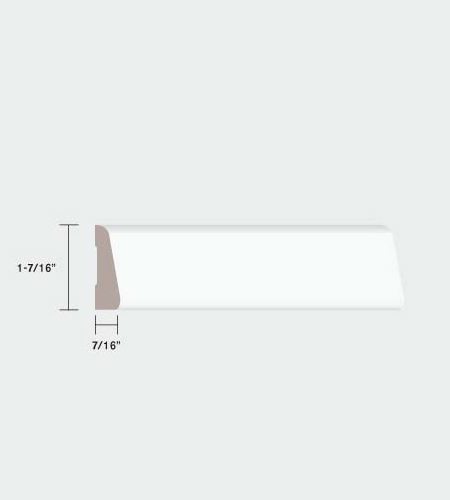
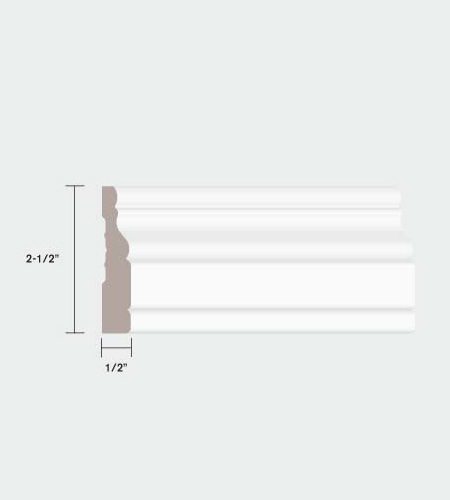
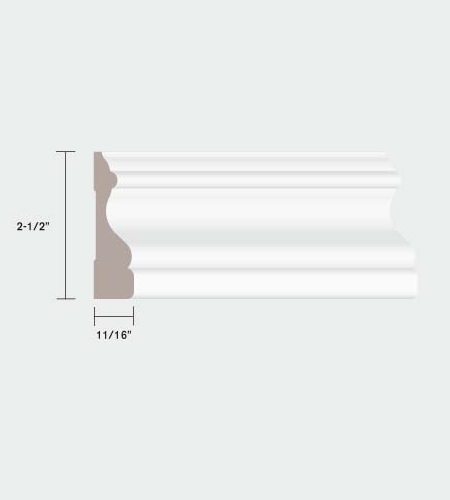
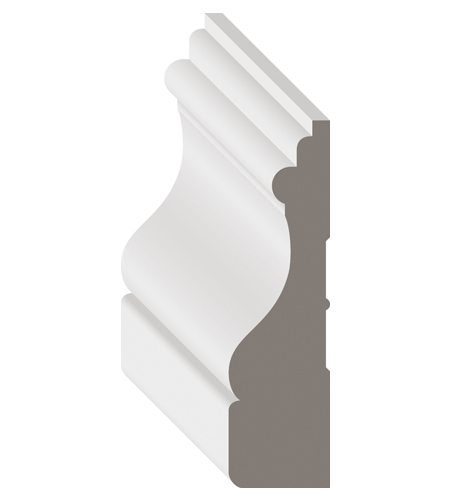
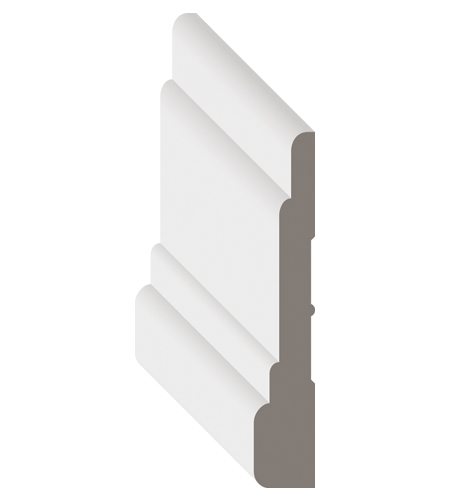
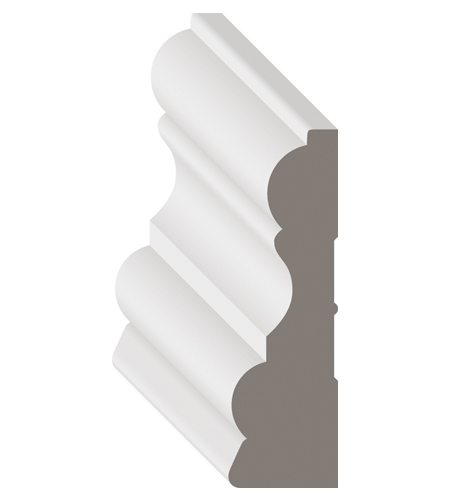
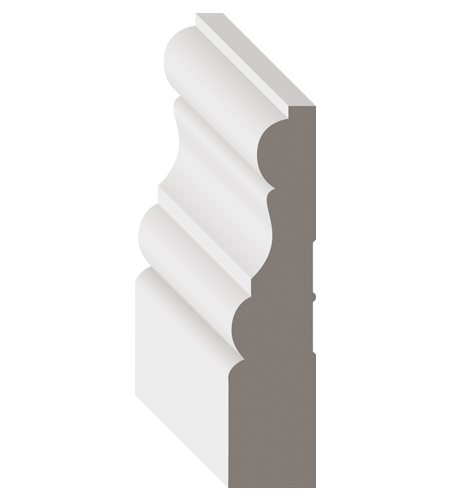
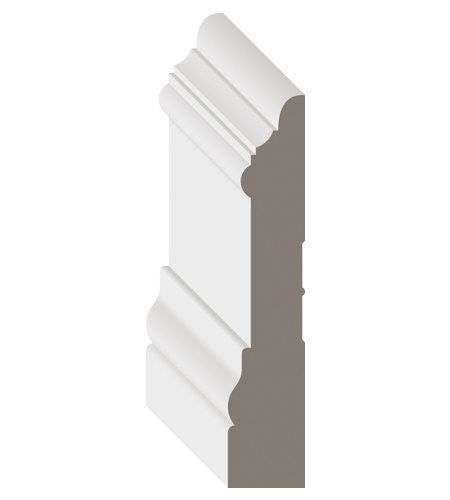
Windsor Plywood carries interior door and window casing in a range of profiles including traditional colonial and ogee patterns, craftsman flat profiles, and contemporary square-edge options. Available in solid pine, finger-jointed pine, poplar, and paint-grade MDF from manufacturers including Alexandria Moulding and Metrie. Both standard widths and wider architectural profiles are available.
What is the standard width for interior door casing?
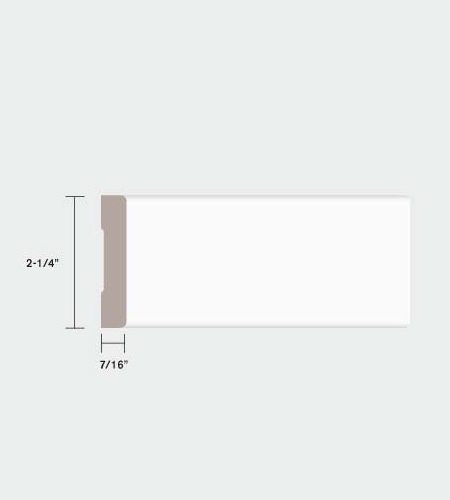
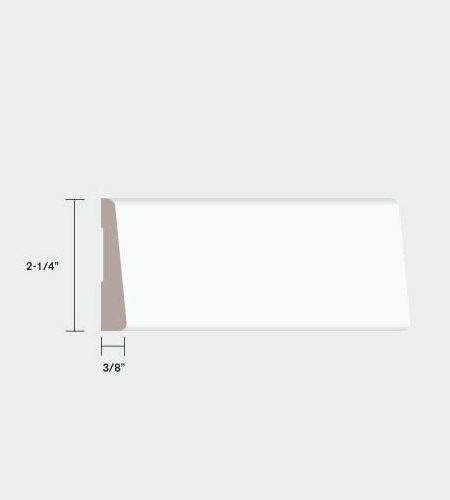
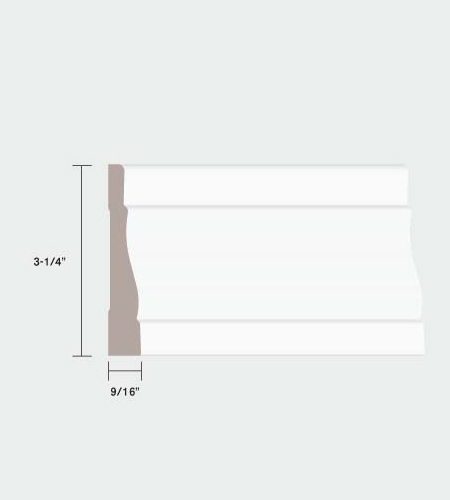
Standard residential door casing is 2-1/4 inches wide, which is the most widely stocked profile. Wider casings of 3 inches and 3-1/2 inches are common in craftsman and colonial styling. For taller ceilings and grander interior proportions, 4-inch and wider casings provide better visual scale. Wider casings also require a wider door jamb or applied back band to cover the transition to the wall surface.
What casing profile is appropriate for a craftsman interior?
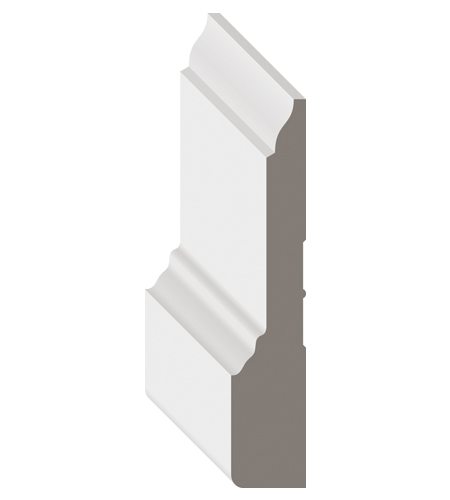
Craftsman interiors traditionally use flat, square-edge or slightly beveled casing profiles rather than the curved ogee and colonial profiles of traditional styles. Common craftsman casing widths are 3 inches to 4 inches with a square or slightly eased outer edge. A small bead or step detail on the outer edge is an authentic craftsman detail. Consistent use across all doors and windows in the space defines the style.
How do I determine how much casing I need for a door?
Measure the door opening height and width. Add 3 times the opening height (two sides and a head) plus the opening width plus waste — typically 10 to 15 percent. For a standard 80-inch tall, 32-inch wide opening: (80 x 2) + 32 = 192 inches of casing, plus 15 percent for waste and mitre cuts. Purchase length-optimized pieces to minimize joints within each casing run.
What is the correct reveal when installing interior door casing?
The standard reveal — the setback of the casing from the face of the door jamb — is 3/16 inch. This small offset creates a visible shadow line that makes the installation appear deliberate and precise. Mark the reveal line on all four sides of the jamb with a pencil and a small reveal gauge or combination square before cutting and nailing any casing.