

 Find Your Store
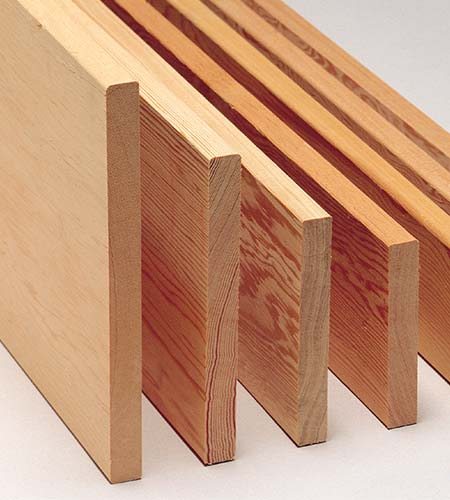
Light, versatile, and naturally charming, pine is a classic softwood known for its workability and wide range of uses. We offer high-quality pine lumber, panels, and mouldings perfect for furniture, shelving, trim, panelling, and DIY projects that call for a warm, natural look. Pine features a pale yellow to light brown colour with a straight grain and characteristic knots that add rustic appeal. It’s easy to cut, sand, stain, and paint—making it a favourite among woodworkers, builders, and hobbyists alike. Whether you're crafting something new or restoring the old, pine offers the flexibility and affordability to get the job done right. As a proudly Canadian company, Windsor Plywood specializes in hard-to-find wood products and provides expert, one-on-one service. For everything from home décor to construction, pine delivers dependable performance and classic style that fits virtually any project.
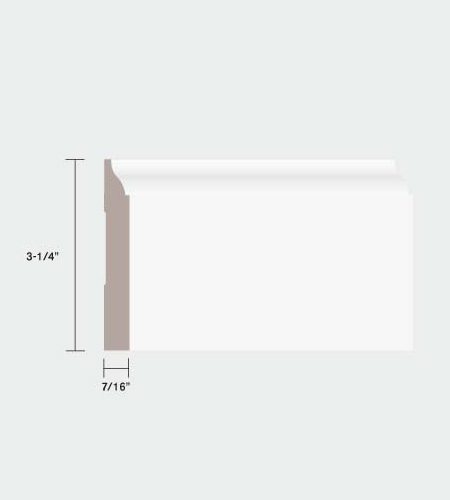
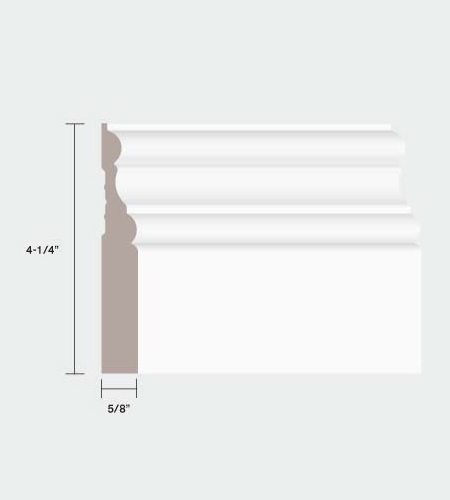
Frequently Asked Questions
What baseboard height works best for standard 8-foot ceilings?
For 8-foot ceilings, a baseboard between 3 inches and 4.5 inches tall is proportionate and reads cleanly. Going too tall creates a visually heavy base that can make a room feel shorter. For ceilings 9 feet and above, 4.5 inches to 6 inches or taller suits the scale of the room.
What is the difference between traditional and modern baseboard profiles?
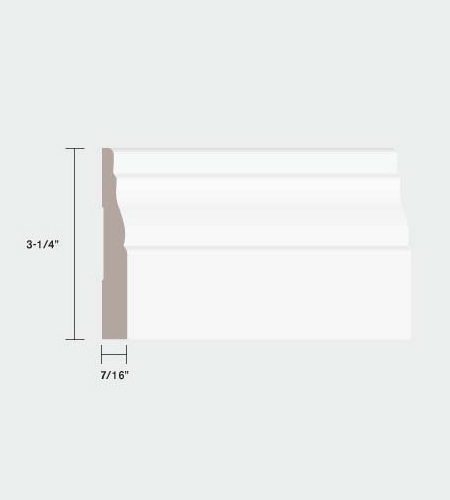
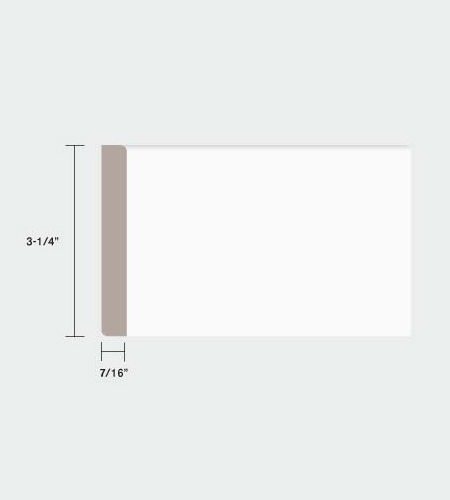
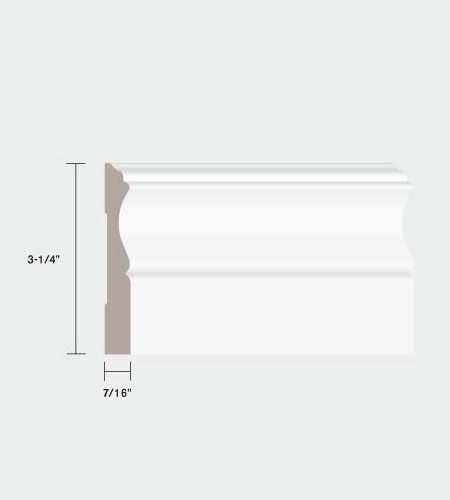
Traditional baseboards feature curved profiles with ogee caps, beveled faces, and layered detail. They suit colonial, craftsman, and heritage-style interiors. Modern baseboards are flat or have minimal detail, with clean square edges that work in contemporary, Scandinavian, and transitional spaces. Windsor Plywood carries both categories.
Should baseboard be wood or MDF?
MDF baseboard is the standard for painted applications. It has no grain to telegraph through paint, cuts cleanly, and holds paint consistently. Wood baseboard is better for stained or natural finishes where the grain is part of the design. MDF should not be used in bathrooms or areas with regular moisture exposure.
How do I cut baseboard corners to fit properly?
Inside corners use coped joints, where one piece is cut square and the second piece is coped to follow the profile of the first. Outside corners use 45-degree mitre cuts. Coped joints hold up better over time as wood expands and contracts with humidity changes; mitre-only inside corners tend to open up.
Can baseboard be installed over tile or thick flooring without a gap?
The baseboard should sit on top of the finished floor, not the subfloor. If tile or thick flooring has already been installed, you may need a taller baseboard or a base shoe moulding to cover the gap cleanly. Base shoe is the standard solution for bridging the gap between baseboard and an uneven floor surface.