

 Find Your Store
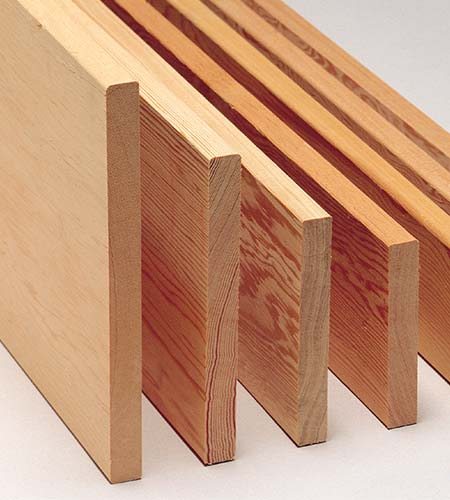
Straight-grained, strong, and beautifully light in colour, hemlock is a versatile softwood ideal for both structural and decorative applications. We offer premium hemlock lumber and trim products perfect for mouldings, doors, panelling, millwork, and interior accents that call for a clean, refined look. Hemlock is valued for its uniform texture, workability, and dimensional stability, making it a favourite among builders, woodworkers, and designers. It takes stain and finishes well, allowing for both natural and custom looks, and its resistance to warping makes it especially reliable for detailed trim and fine joinery. As a proudly Canadian company, Windsor Plywood specializes in high-quality, hard-to-find wood species and expert, one-on-one service. Whether you're adding warmth to an interior space or crafting something custom, hemlock offers a timeless appearance with the performance to match.
Frequently Asked Questions
What is architrave and how does it differ from standard casing?
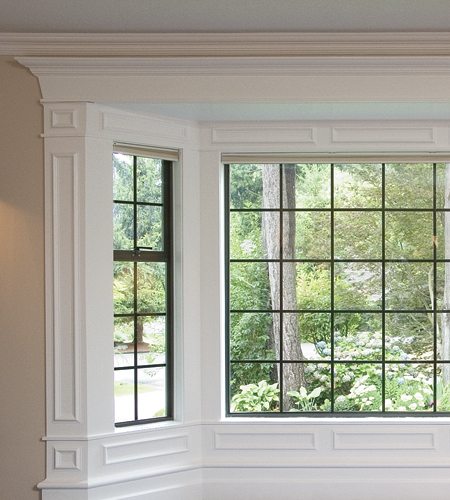
Architrave is the formal architectural term for the trim moulding that frames a door or window opening, functionally identical to what is commonly called casing in residential use. In some contexts, architrave refers to larger, more decorative door surround assemblies used in heritage and classical interiors. At Windsor Plywood, both terms refer to door and window frame moulding.
What architrave profiles does Windsor Plywood carry?
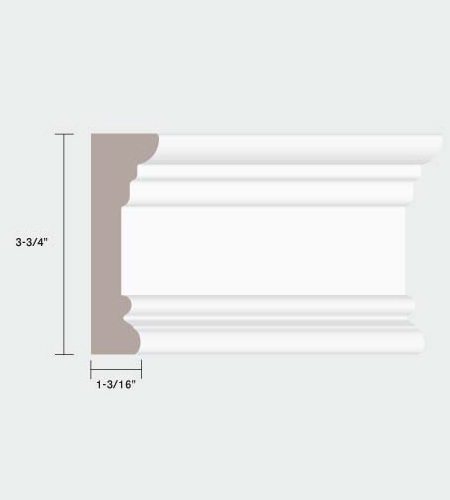
Windsor Plywood stocks architrave in traditional ogee and colonial profiles, craftsman-style flat profiles, contemporary square-edge options, and intermediate decorative styles. Available in solid wood species including pine, oak, and hemlock, as well as paint-grade MDF and finger-jointed options for painted applications.
How wide should architrave be relative to the door size?
Standard residential architrave runs between 2-1/4 inches and 3-1/2 inches wide. Wider doors and taller ceilings support wider profiles. A common guideline is for architrave to be slightly narrower than the baseboard in the same space, which creates a natural visual hierarchy from floor to opening.
Should architrave be the same profile throughout the house?
Consistency within each room is more important than matching every room in the house. Using the same profile on all doors and windows within a space is standard practice and creates a unified, intentional look. Subtle variation between formal and informal spaces is acceptable, but mixing profiles within the same room typically reads as unresolved.
What is the correct reveal when installing architrave on a door frame?
The standard reveal is 3/16 inch set back from the inside face of the door jamb. This small offset creates a shadow line that looks intentional and makes the installation look precise. Marking the reveal line on the jamb with a pencil before nailing ensures consistent spacing on all four sides of the opening.